Wine · Wine region · Short entry
Mercurey
Mercurey
Mercurey is a Côte Chalonnaise village appellation producing red Pinot Noir and white Chardonnay, with Pinot Noir on 87% of the vineyard. Its vines spread around Mercurey and Saint-Martin-sous-Montaigu, in marly combes between wooded limestone ridges. The specification calls its wines the flagship of the Côte Chalonnaise.
From "vin de Beaune" to its own name
The specification says the Mercurey vineyard appears in writing from 312 AD and grew in the early Middle Ages. In 1400 its wine was on the list of wines served to the Duke of Burgundy at Arras. It was long sold as "vin de Beaune". In the nineteenth century merchant families of the region, several based in Mercurey, built up estates and made the wine known; Vermorel and Danguy wrote in 1894 that it kept for twenty years.
The first classification of Mercurey's climats appeared in 1899. In 1923 the growers' syndicate won a lawsuit against neighbouring villages selling their own wine under the Mercurey name, and the AOC was recognised by the decree of 11 September 1936. The first Premier Cru climats were recognised in 1943. After violent storms flooded the village in the early 1980s, growers reorganised their plots to protect the soils. The BIVB notes the Confrérie de la Chanteflûte, founded in 1971.
Ridges, combes and sheltered slopes
Mercurey lies about 10 km west of Chalon-sur-Saône, on the flanks of two valleys that cross the Côte Chalonnaise at right angles. The valleys cut layers of limestone and marl tilted slightly east. Hard limestones form wooded crests and softer marls form combes planted with vines. On the slopes the soils are calcareous, on a thin stony colluvium. On the western ridges, patches of clay with chert give more acid, very stony and sometimes very free-draining soils. The BIVB sheet adds Oxfordian marls, crystalline rocks overlain by gravels in the west, Bathonian limestone in part and red clays. Plots lie at 220–350 m.
The climate is oceanic with southern and continental influences. Mild air comes up the Saône valley, summers are very sunny, and rain stays under 800 mm a year, spread evenly. The BIVB notes that the vineyards are protected from moisture-bearing winds.
What the place gives the wine
The specification describes reds that are both elegant and powerful, with tannins that are present but round out with age, and red-fruit aromas that often turn animal. It describes dry whites as rich and powerful, with dried fruit and a mineral note. It links this to east-facing slopes that warm early and stay above the morning fog of the plain, and to limestone soils with stony cover that drain well despite regular rain. The BIVB sheet gives deep ruby reds with strawberry, raspberry and cherry, whose tannins give a mineral firmness when young, and whites with white flowers, hazelnut, almond, spice and flint.
Grapes and classification
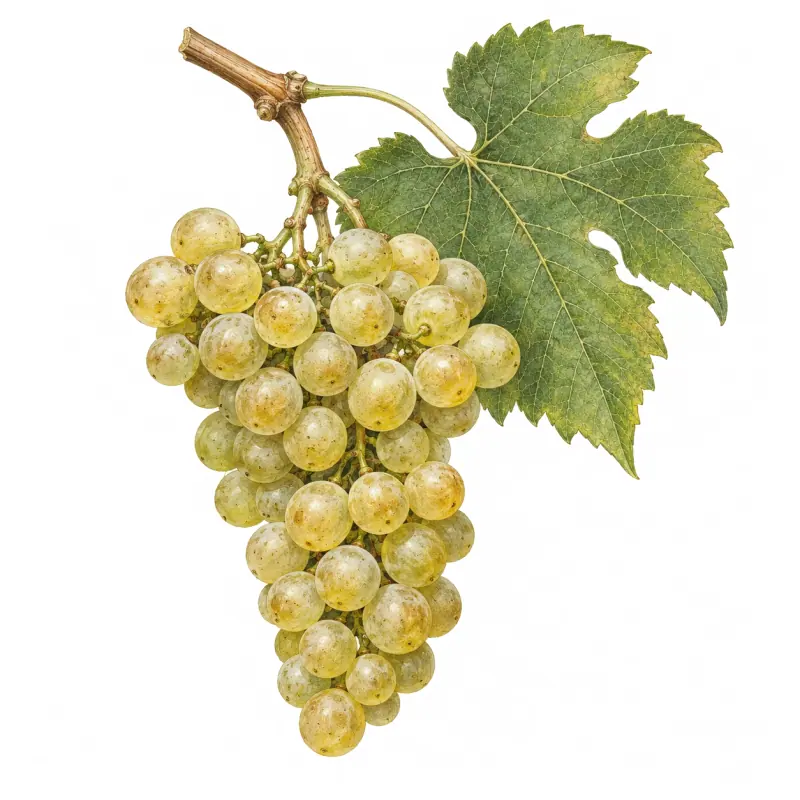
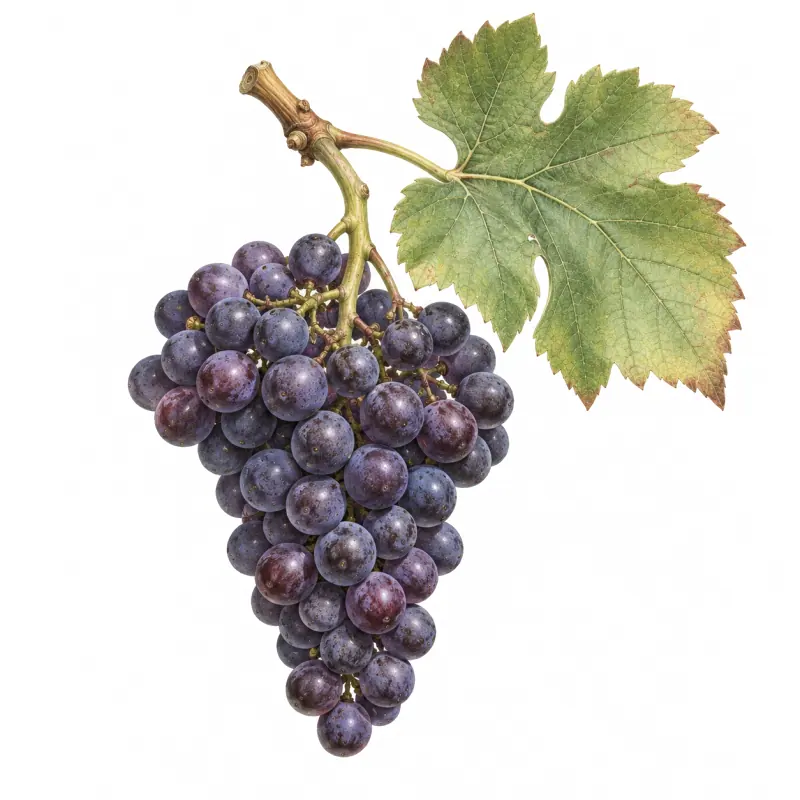
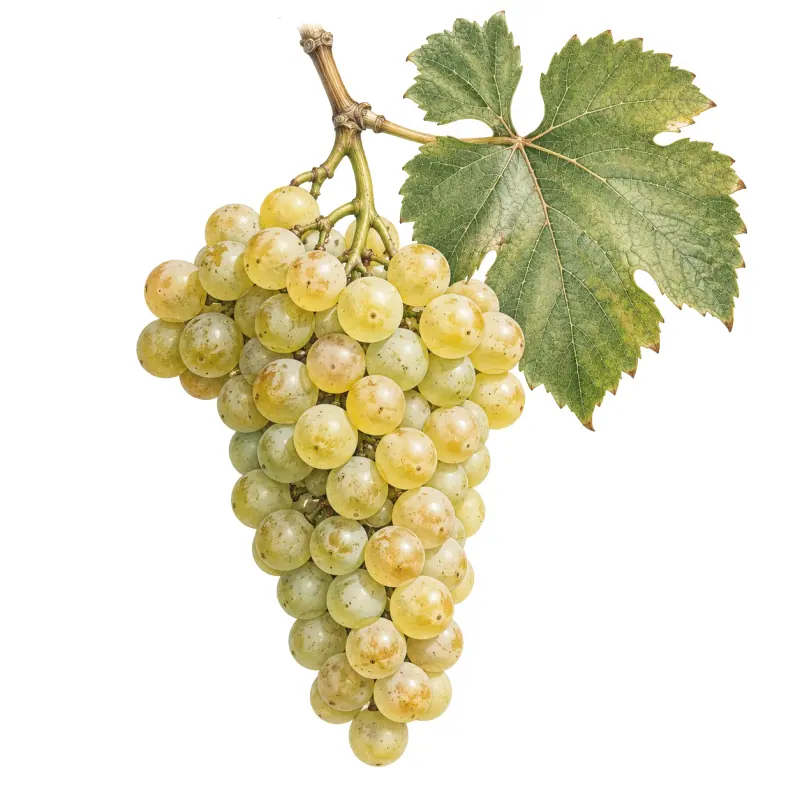
Reds are made from Pinot Noir, with Chardonnay and Pinot Gris as accessory varieties; whites from Chardonnay, with Pinot Gris as an accessory. Accessory varieties must be interplanted and are limited to 15% of each plot. The appellation covers Mercurey and Saint-Martin-sous-Montaigu and has 32 Premier Cru climats. In 2022 the BIVB recorded 530.06 ha of red (145 ha Premier Cru) and 115.59 ha of white (20.22 ha Premier Cru).
How it connects
Wine region
Grape variety
- grows Pinot Noir
- grows Chardonnay
Continue exploring
- CountryFrance162 entries in the atlas so far
- Grape varietyPinot Noir
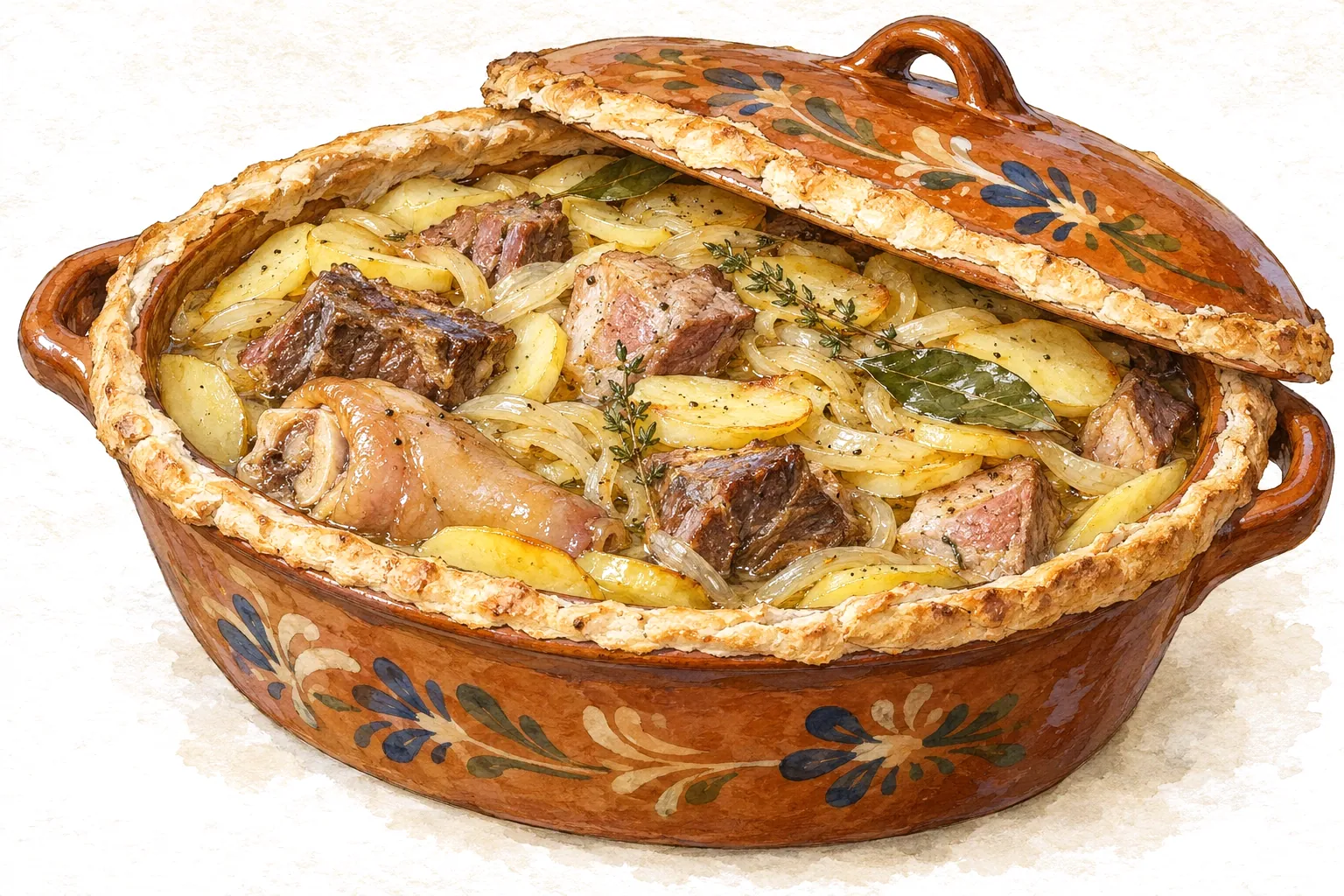 RecipeBaeckeoffeAlsace, France
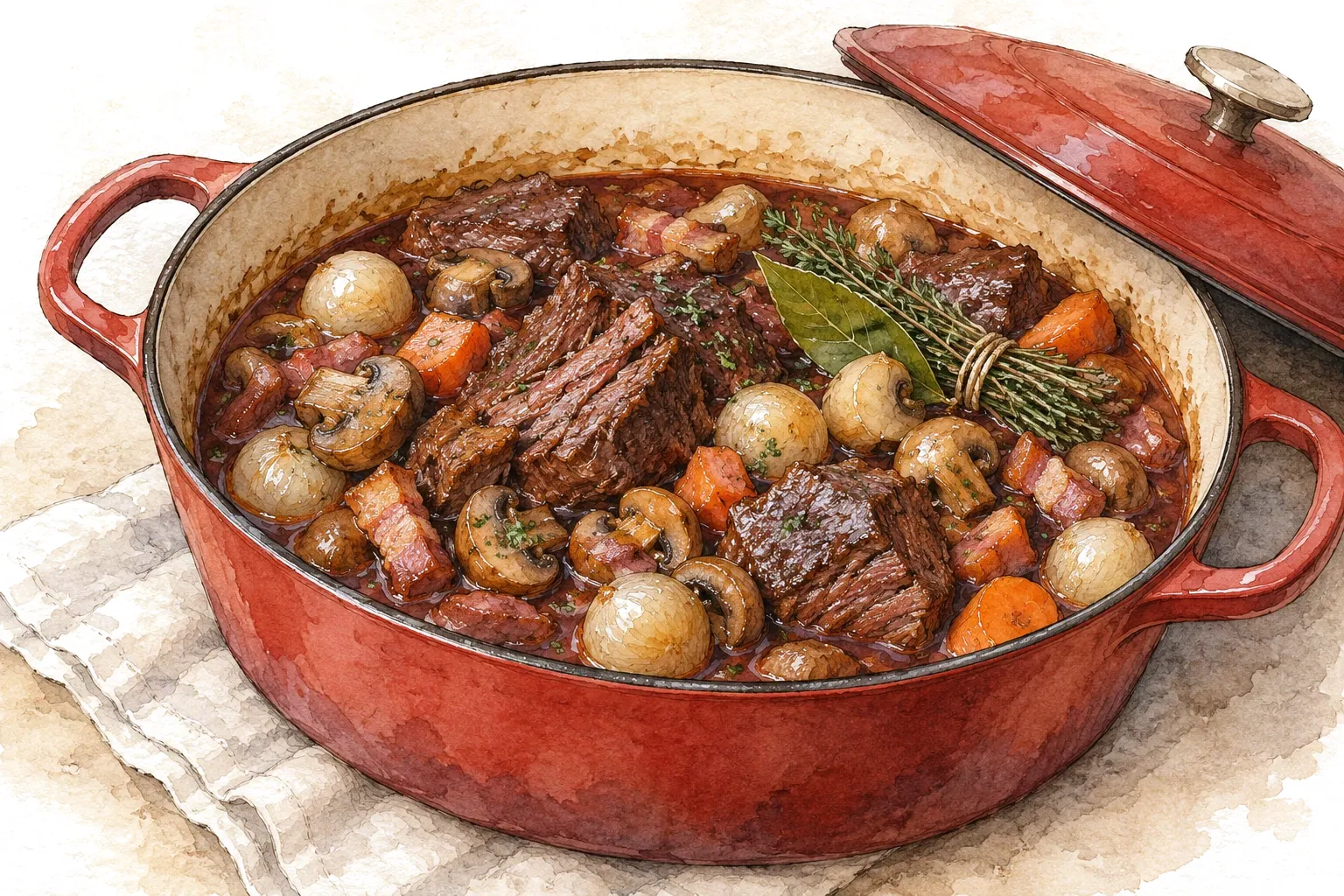 RecipeBœuf bourguignonDijon, France
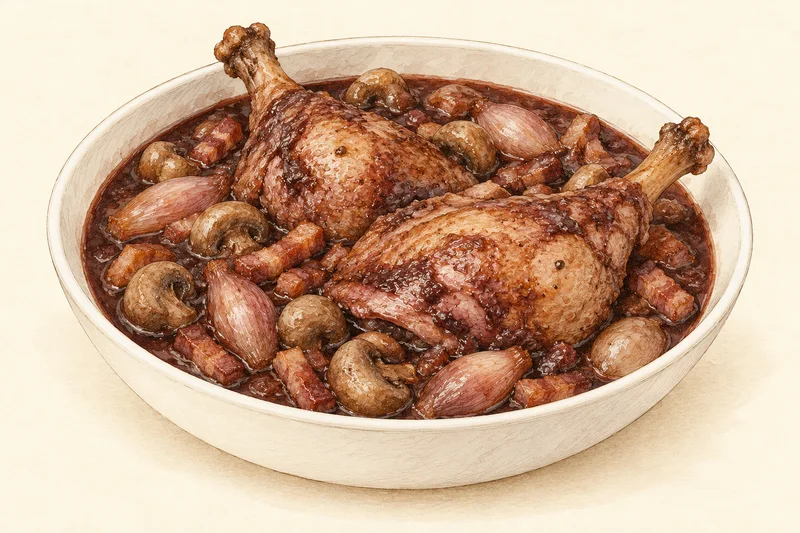 RecipeCoq au vinBurgundy, France
- Grape varietyChardonnay
- Wine regionCôte ChalonnaiseMercurey, France
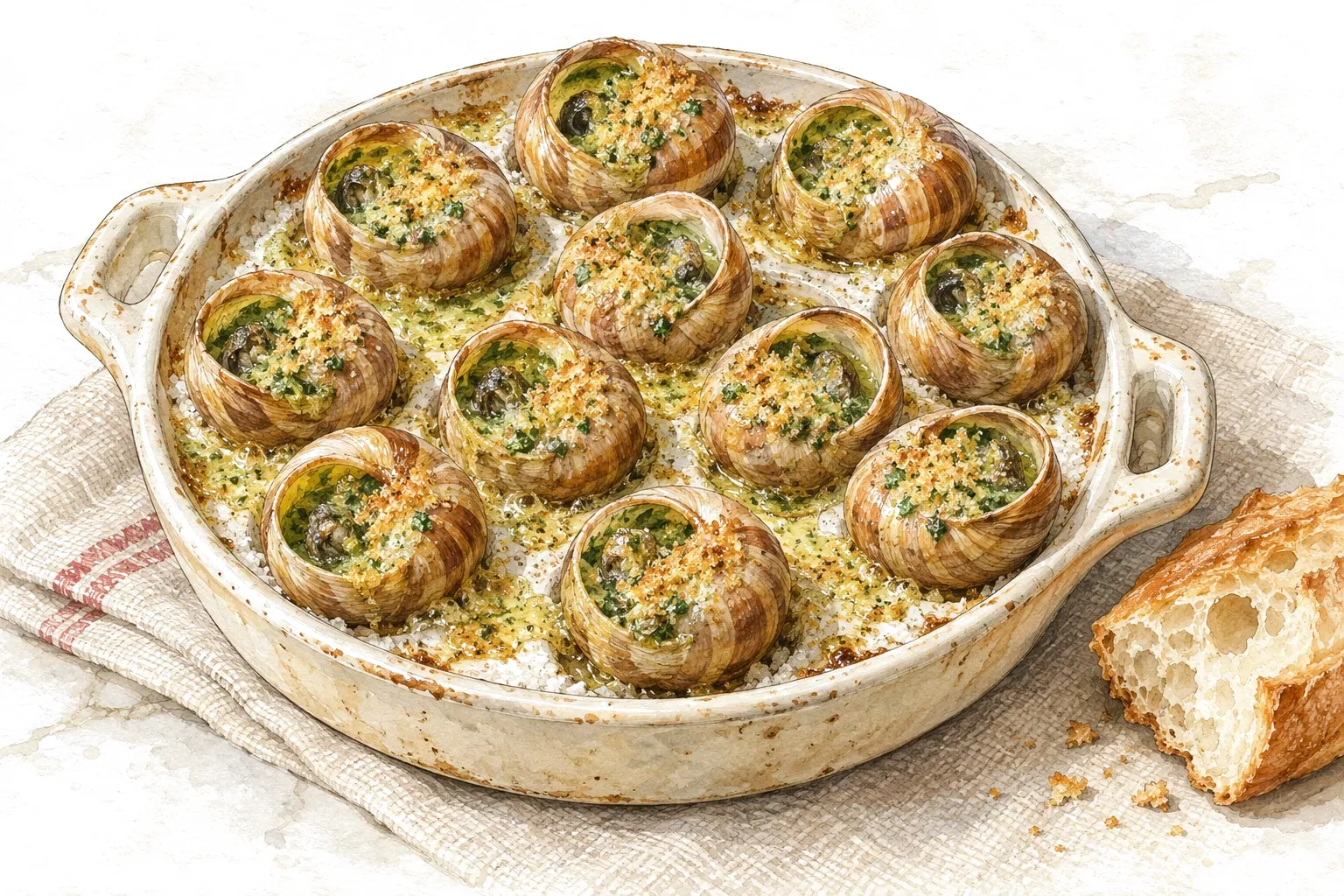 RecipeEscargots à la bourguignonneBurgundy, France
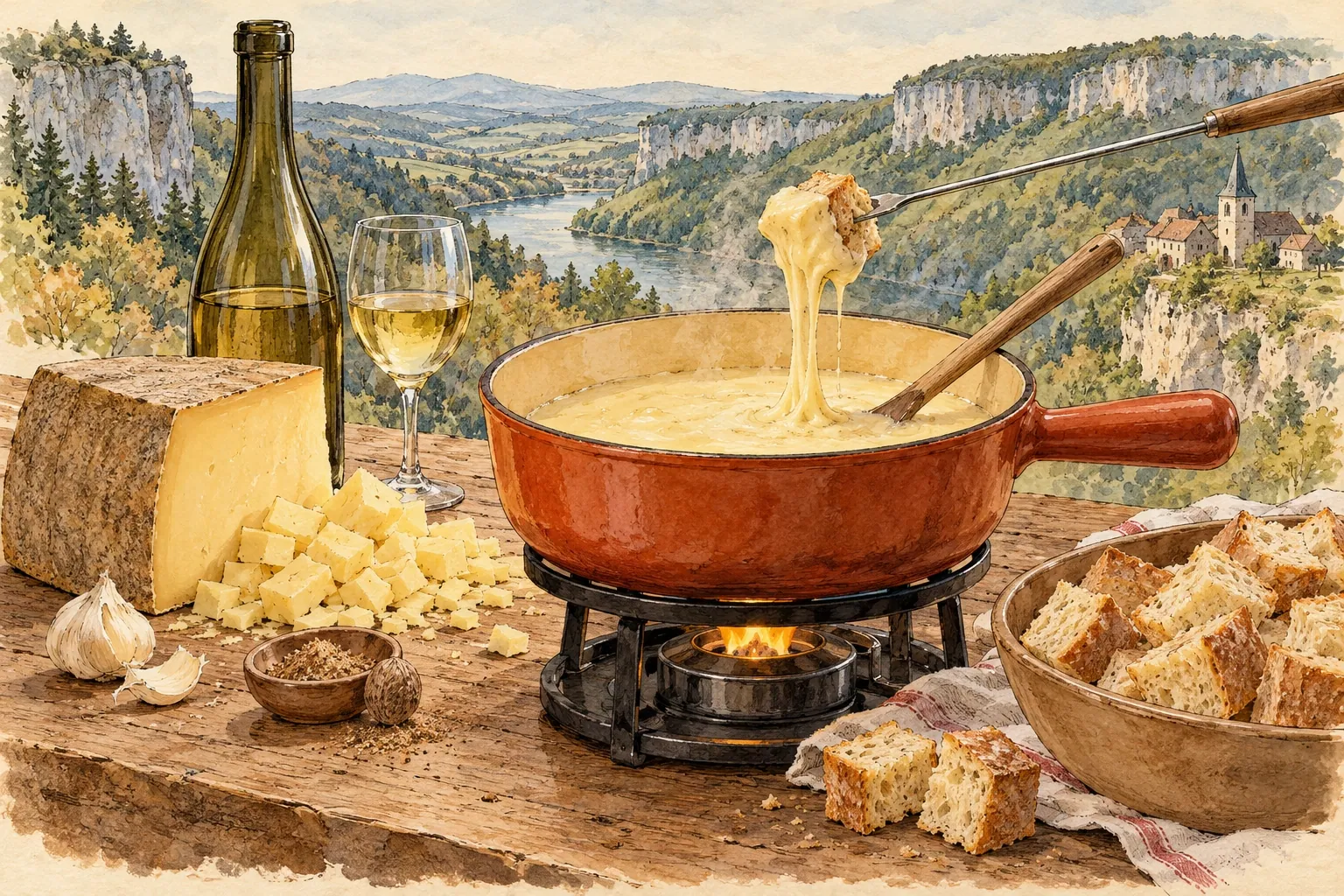 RecipeFondue au ComtéJura massif, Franche-Comté, France
 RecipeGougèresBurgundy, France