
Wine · Wine region · Short entry
Casablanca Valley
Valle de Casablanca
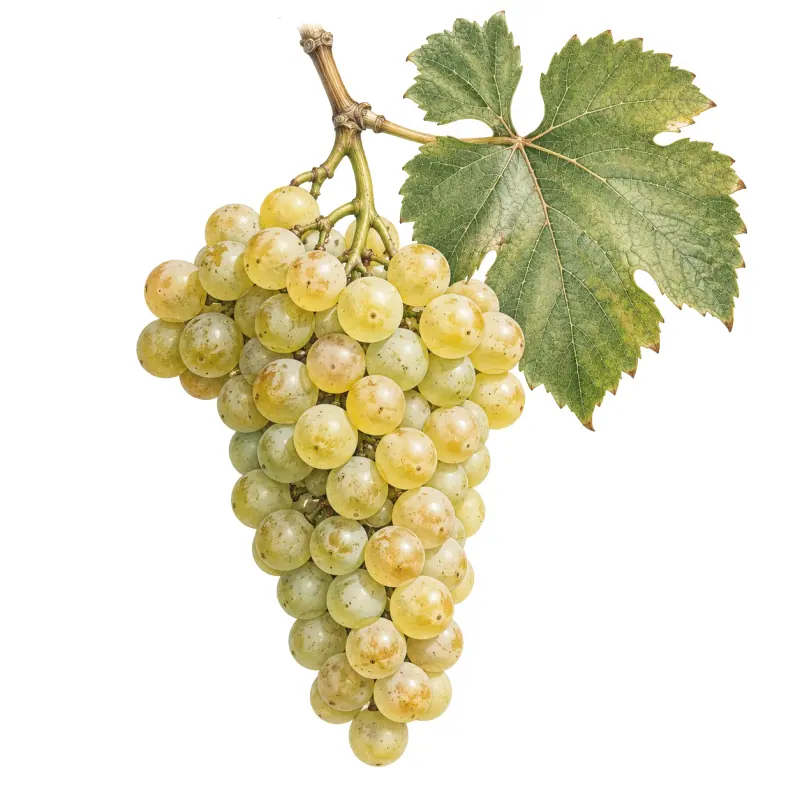
Casablanca is a subregion of the Aconcagua viticultural region whose limit is the commune of Casablanca, between Santiago and the port of Valparaíso. Wines of Chile calls it the country's pioneering cool-climate wine region, cooled by the Pacific and morning fog, with Sauvignon Blanc (2,235 ha) and Chardonnay (1,420 ha) its main grapes. Decree 464 lets all of its wines add the term 'Costa'.
A 1980s cool-climate venture
The Great Wine Capitals network, of which Casablanca is a member, credits Pablo Morandé with moving into the valley in the 1980s, drawn by ocean breezes and morning mists, and Sergio Correa Undurraga with sharing his focus on Chardonnay and Sauvignon Blanc; it gives no exact planting date. Wines of Chile calls Casablanca the country's pioneering cool-climate region. Decree 464 lists the Valle de Casablanca among the subregions of the Aconcagua region, defined by the commune of the same name, in its text as amended in 2018. A 2012 amendment created the 'Costa' term and named Casablanca as the one subregion whose wines may use it as a whole, without reference to listed areas.
Fog, sea air and granitic clay
Casablanca lies in the Valparaíso Region and its legal limit is the commune of Casablanca. Wines of Chile describes the Pacific maritime influence that cools its climate, the morning fog that settles in the valley and old granitic clay soils that create a variety of terroirs. It distinguishes the higher, warmer and frost-free elevations, suited to red varieties such as Merlot and Syrah, from the lower and cooler ground, which favours white wines. Decree 464 treats the whole subregion as coastal for labelling, in line with the Pacific influence the 'Costa' term is meant to show. The name therefore covers a varied growing area, not only white-wine production.
Whites with minerality
Wines of Chile says the cooler, lower parts of the valley give vibrant whites with a distinctive minerality, and that this makes Sauvignon Blanc and Chardonnay the valley's iconic varieties; it places Merlot and Syrah on the warmer, higher ground. The Great Wine Capitals network describes the founders' aim as refined cool-climate wines. Both are the descriptions of promotional bodies; no official sensory profile exists for the subregion.
A coastal subregion
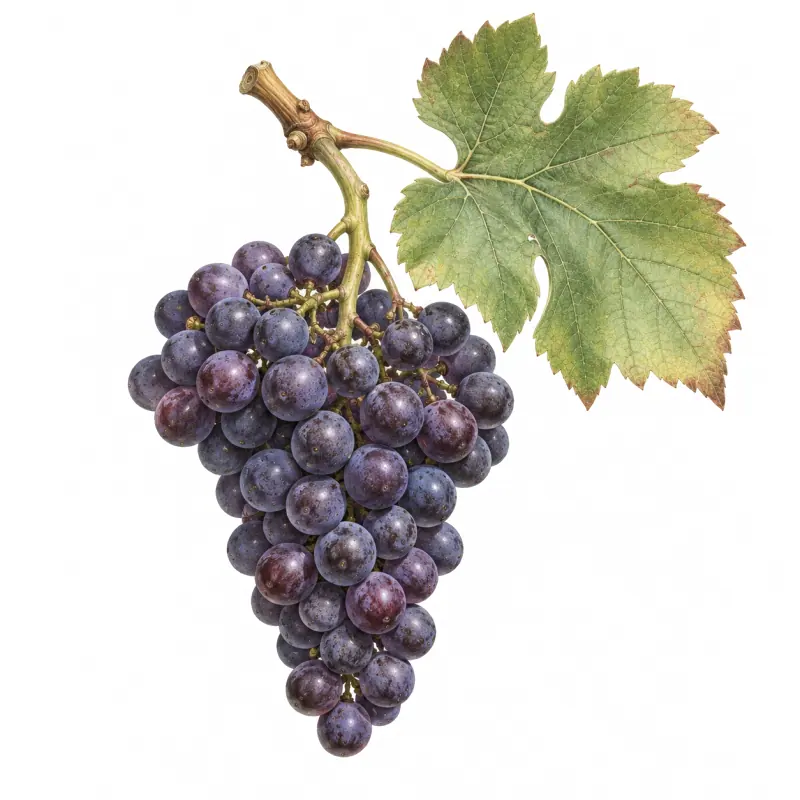
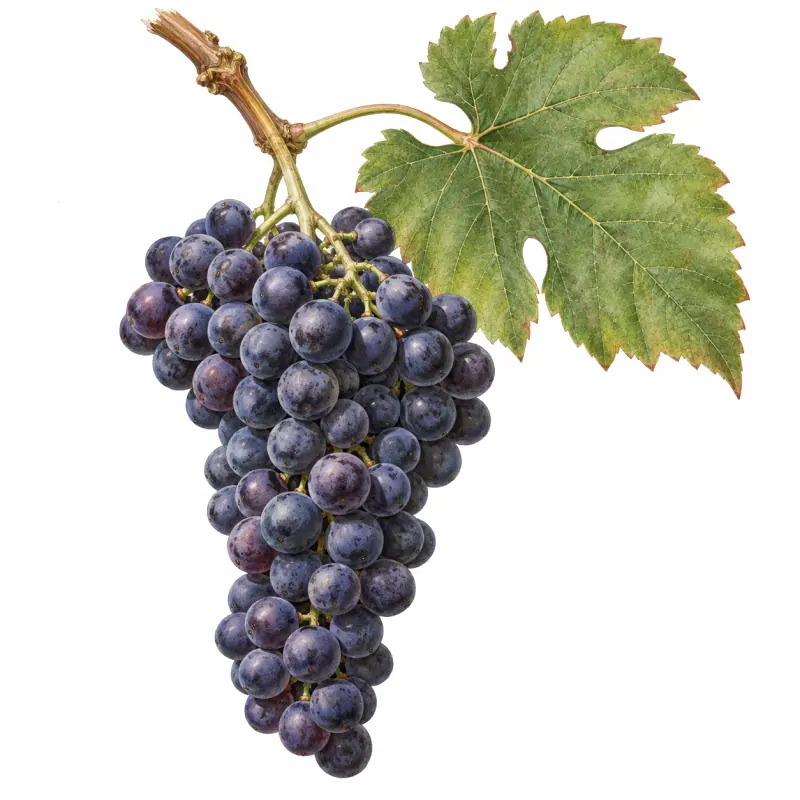
Under Decree 464, a Casablanca wine with denomination of origin needs at least 75% of its wine from the subregion, and at least 75% of any variety or vintage named. Article 5 bis allows 'Costa' on wines with at least 85% by volume from the Casablanca subregion, declared to the SAG, produced and bottled in Chile. Wines of Chile lists Sauvignon Blanc (2,235 ha), Chardonnay (1,420 ha), Pinot Noir (853 ha), Merlot (238 ha), Syrah (107 ha), and small areas of Gewürztraminer, Pinot Gris, Viognier and Riesling.
Classification
- Subregion Valle de Casablanca (DO)Limit: the commune of Casablanca, in the Aconcagua viticultural region.
- CostaMay be added to wines with at least 85% from the subregion, declared to the SAG.
How it connects
Wine region
- in Chile
Grape variety
- grows Sauvignon Blanc
- grows Chardonnay
- grows Pinot Noir
- grows Merlot
- grows Syrah
Continue exploring
- CountryChile6 entries in the atlas so far
- Grape varietyPinot Noir
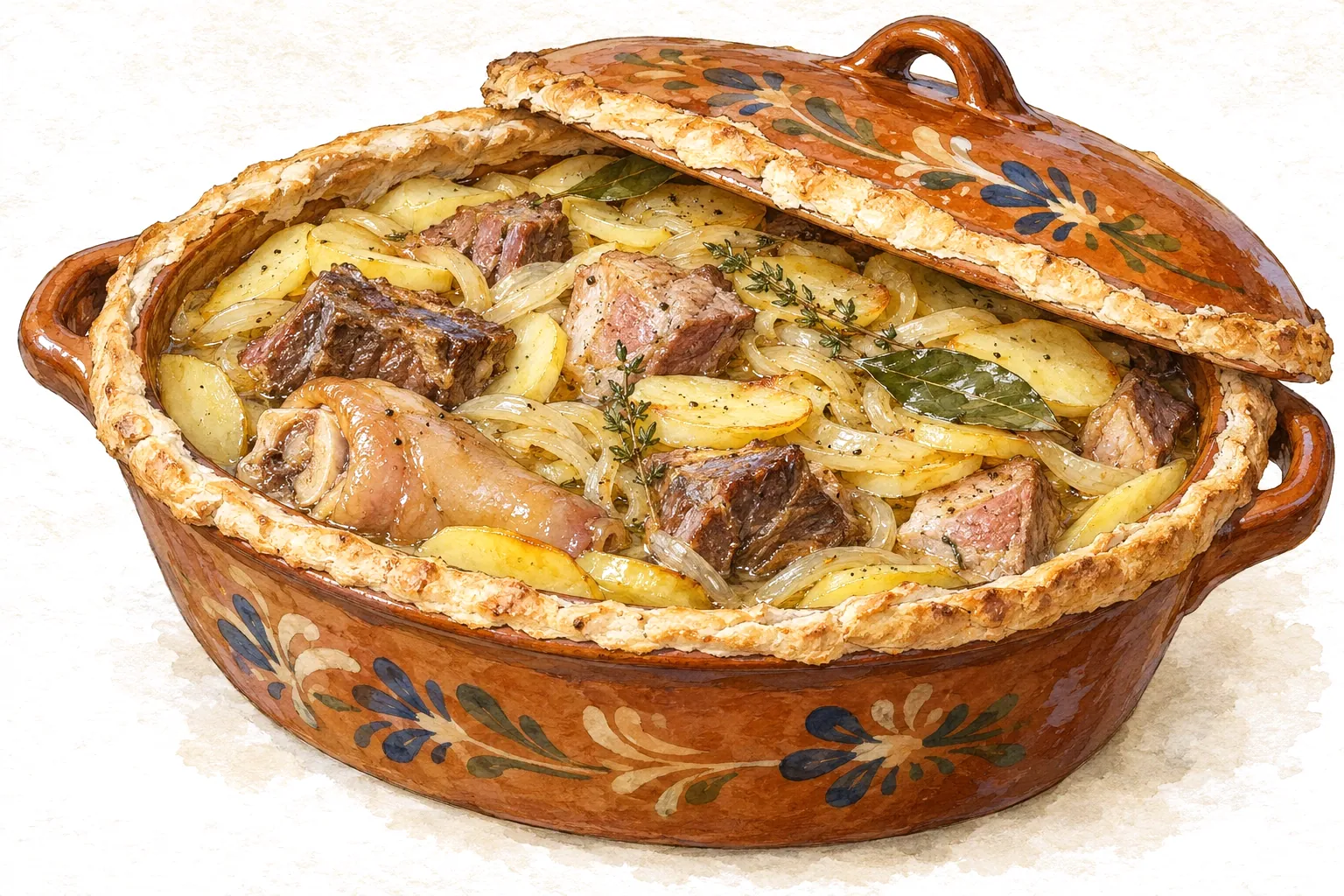 RecipeBaeckeoffeAlsace, France
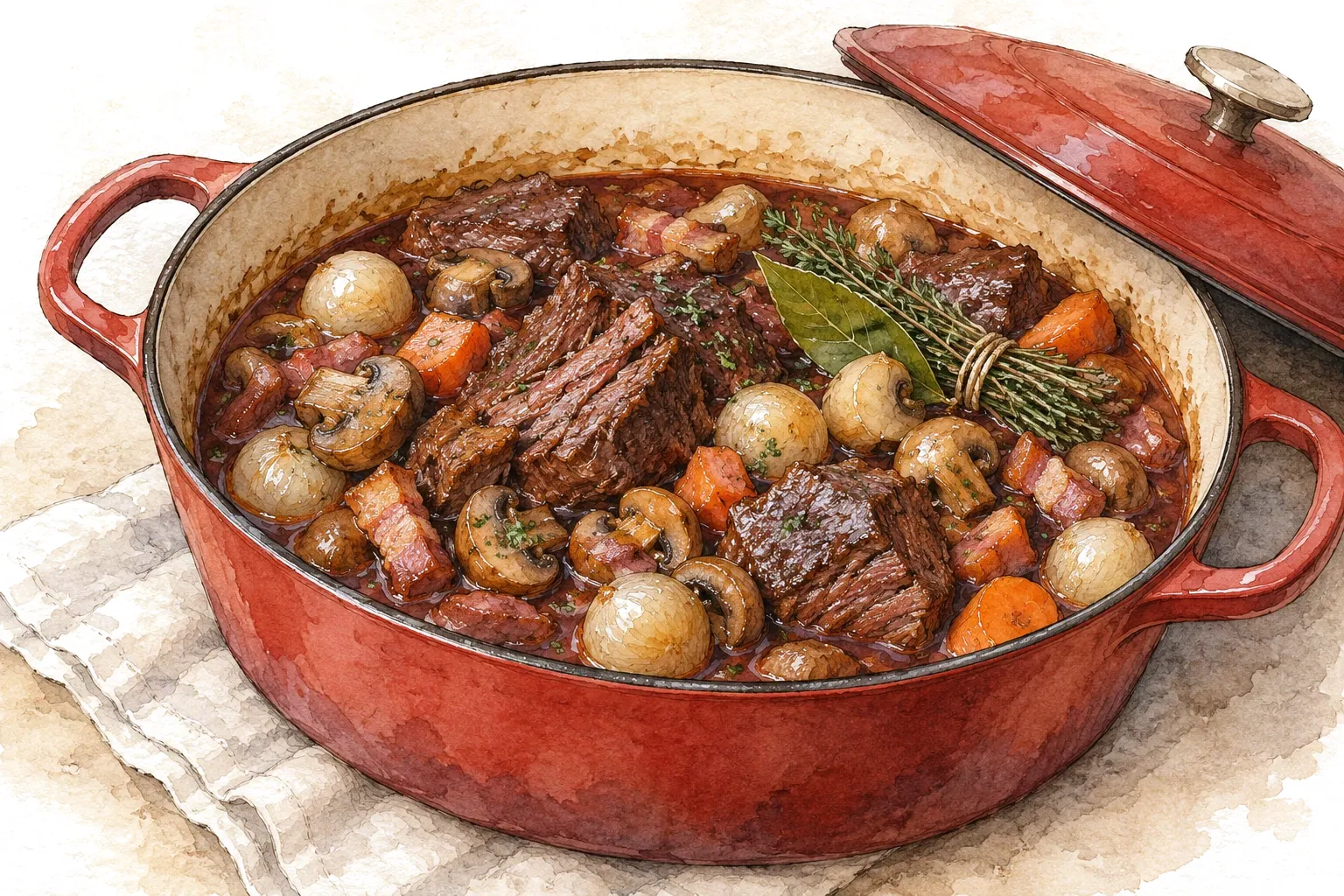 RecipeBœuf bourguignonDijon, France
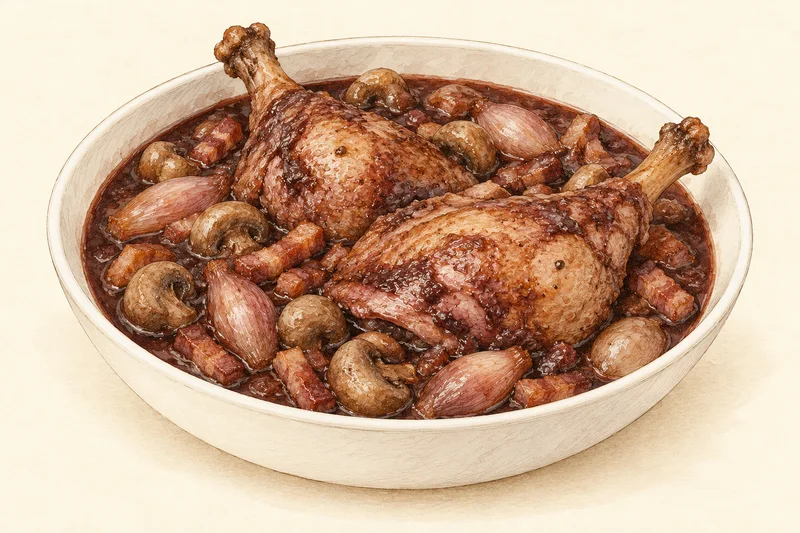 RecipeCoq au vinBurgundy, France
- Grape varietyChardonnay
- Grape varietyMerlot
- Grape varietySauvignon BlancFrance
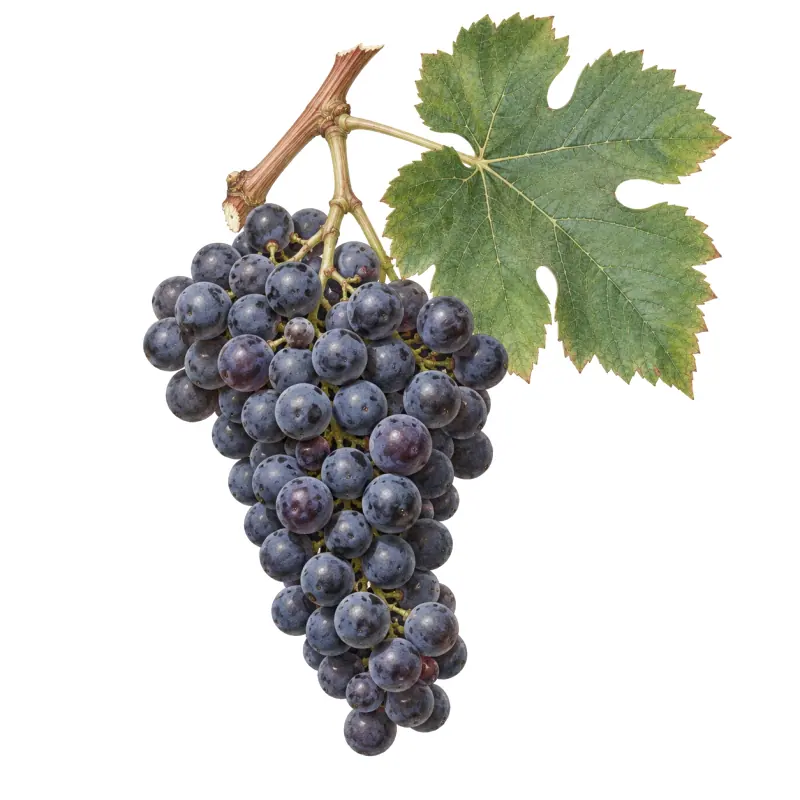 Grape varietySyrah
- Wine regionChileChile (national overview), Chile