
Wine · Wine region · Short entry
Barbaresco
A DOCG for red wine made only from Nebbiolo in the communes of Barbaresco, Neive and Treiso and a small part of Alba, north-east of Alba. Its minimum ageing is shorter than Barolo's: 26 months, of which 9 in wood.
One of the first denominations
The production rules say Nebbiolo has very old roots here and repeat two local stories about the name: one links it to a Gaulish taste for a wine called Barbaritium, the other to the "barbarian" peoples who brought down the Roman Empire. Whatever the origin, the rules add, it matters little today. The producers' consortium was founded in 1934. Barbaresco became a DOC by presidential decree of 23 April 1966, together with Barolo, and a DOCG in 1980. Treiso was once a hamlet of Barbaresco, and the San Rocco Seno d'Elvio area was moved from Barbaresco to Alba in 1957; both remain in the zone. The 66 additional geographical mentions were delimited in 2010.
Three communes north-east of Alba
The zone covers the whole of Barbaresco, Neive and Treiso and the San Rocco Seno d'Elvio part of Alba, on the Langhe hills that rise above the Tanaro. The rules describe the same geology as at Barolo: hills formed in the Tertiary, marked by white tufaceous marl, with most of the ground in the Tortonian layer of the Piedmont basin. Its grey-blue marls and layered sands are soft and weather into low, rounded hills.
Vineyards must be on sunny hillsides of clay and calcareous soil, no higher than 550 m and not facing north; damp, flat valley floors are excluded. Nebbiolo is trained on wires with upright shoots and Guyot-pruned, as it always has been in the zone.
Power in Neive, finesse in Treiso
The rules describe Barbaresco as garnet red with orange reflections, with an ethereal, pleasant and intense scent and a dry, full, delicate, velvety taste that is "properly tannic". They separate the hills. Those of Barbaresco and Neive give wines with structure, tannic fullness and power on one side and softness, rich fruit and finesse on the other. The hills of Treiso give wines that lean more to finesse and elegance than to structure.
Rules for Barbaresco
Barbaresco must be 100% Nebbiolo. It ages at least 26 months from 1 November of the harvest year, 9 of them in wood, and must reach 12.5% alcohol. The Riserva needs 50 months, also with 9 in wood. Both may carry one of 66 additional geographical mentions, whose limits are set in an annex to the rules. The DOC dates from 1966 and the DOCG from 1980.
Classification
- Barbaresco DOCG26 months' ageing from 1 November of the harvest year, at least 9 in wood. Minimum alcohol 12.5%.
- Barbaresco Riserva50 months' ageing, at least 9 in wood.
How it connects
Continue exploring
- CountryItaly107 entries in the atlas so far
- Wine regionBaroloBarolo, Italy
- Wine regionPiedmontAlba, Italy
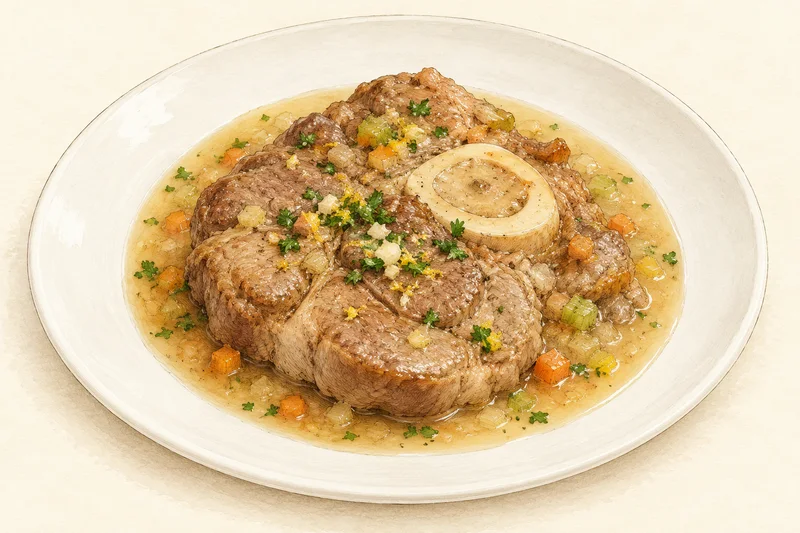 RecipeOssobuco alla milaneseMilan, Italy
- Grape varietyNebbiolo
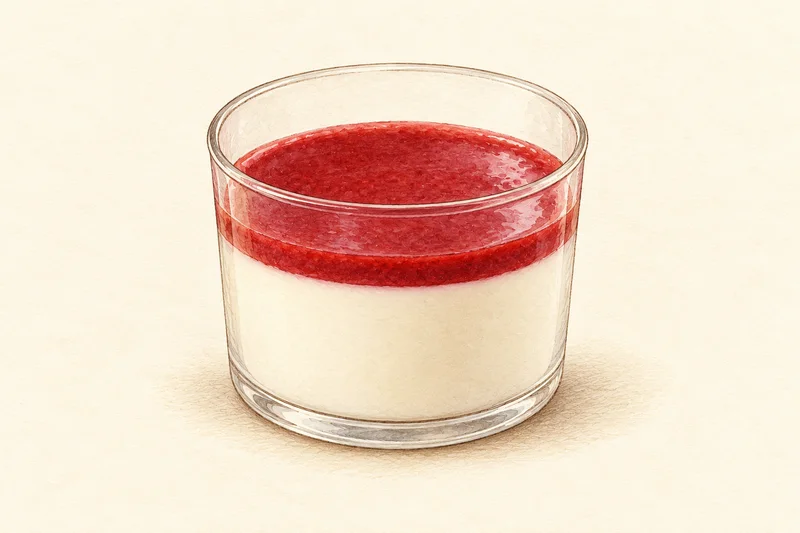 RecipePanna cottaPiedmont (Langhe), Italy
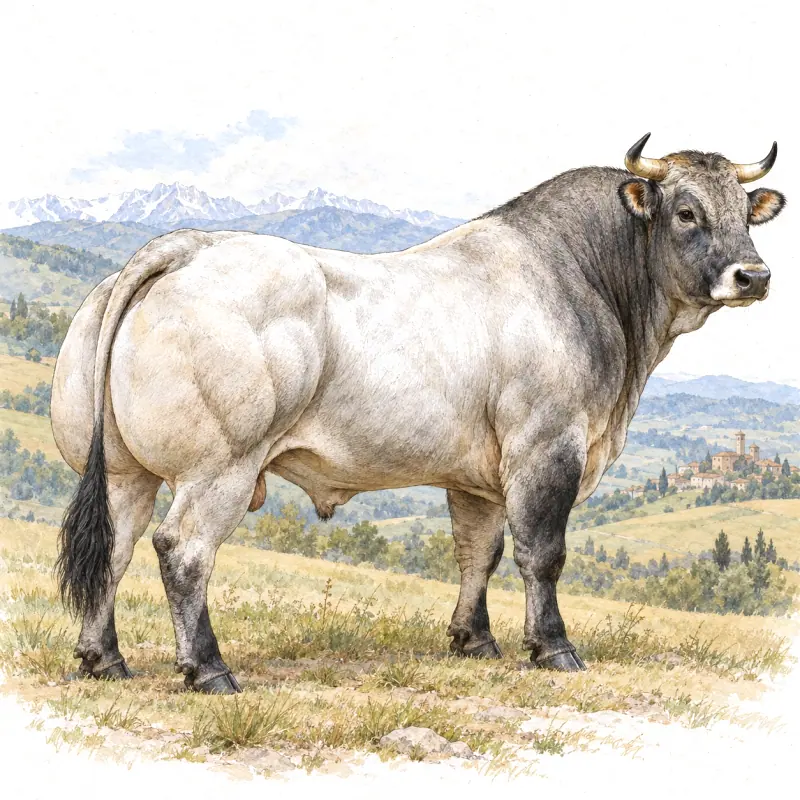 BreedPiemonteseCarrù (breed society seat), Italy
 Pasta shapeTajarinLanghe, Italy
- Wine regionLombardyBrescia, Italy
- Grape varietyArneis