
Wine · Wine region · Short entry
Washington State
Washington
Washington is the second-largest wine-producing state in the United States, with nearly 1,000 wineries, more than 35,000 acres (about 14,160 ha) of wine grapes and 22 AVAs. More than 99% of its vineyards lie in the Columbia Valley, east of the Cascades, in a rain shadow where vines are irrigated. Cabernet Sauvignon, Chardonnay, Merlot, Riesling and Syrah make up more than 80% of production.
From Fort Vancouver to the first AVAs
The Washington State Wine Commission dates the first vines in the state to 1825, planted at Fort Vancouver by the Hudson's Bay Company from seeds brought from England, and the first wine grapes in the Walla Walla Valley to 1859–1860. William B. Bridgman promoted irrigation at Sunnyside from 1902, and large-scale irrigation fed by Cascade snowmelt opened the dry land to farming. Prohibition arrived in 1920, and in 1933 Washington became the 24th state to repeal it.
Walter Clore joined the Prosser experiment station in 1937 and began wine grape trials at Washington State University in 1960. The Commission dates the first Cabernet Sauvignon in the state to 1941, the first Riesling to 1961, Chardonnay to 1964 and Merlot to 1965. Ste. Michelle Vintners began making varietal wines in 1967. Yakima Valley became the state's first AVA in 1983, followed by Walla Walla Valley and Columbia Valley in 1984.
Basalt, Ice Age floods and the rain shadow
The Commission describes eastern Washington, where almost all the grapes are grown, as an arid and semi-arid desert sheltered from wet weather by the Olympic and Cascade ranges. Irrigation is required in most places; the Columbia River and its tributaries supply the water. Summer days give up to 17 hours of sunlight, and the day-night swing is 35–47 °F (about 19–26 °C).
Basalt lava flows, thousands of feet thick, form the bedrock. About 15,000 years ago an ice dam on the Clark Fork in Idaho impounded Glacial Lake Missoula; repeated dam failures sent floods across the Columbia basin, which backed up behind the Wallula Gap and dropped gravel, sand and silt. Wind later spread fine sand and silt as loess. Below about 365 m, the Columbia Valley has loess over flood deposits and slackwater sediments on basalt. Folds of the Yakima fold belt give south-facing slopes. West of the Cascades, Puget Sound has a maritime climate.
Ripe fruit and retained acidity
The Commission attributes the character of Washington wine to its climate. Long, warm summer days in eastern Washington give ripe fruit flavours, while the large day-night swing and the rapid cooling at harvest help preserve natural acidity; it calls the result a mixture of Old World and New World styles. It adds that irrigation and consistently dry growing seasons give growers a high degree of control, and that the varied heat accumulation of the AVAs lets many varieties succeed. Many vines are own-rooted, which the Commission says is thought to contribute to varietal typicity.
Twenty-two AVAs and five main grapes
The Commission counts 22 AVAs in Washington. Columbia Valley contains 99% of the state's grapes and most of the other AVAs; Puget Sound, Columbia Gorge and Lewis-Clark Valley lie outside it. Four AVAs cross state lines: Columbia Valley, Columbia Gorge and Walla Walla Valley with Oregon, and Lewis-Clark Valley with Idaho. The newest, Columbia Hills, was established in August 2026. Washington wines follow the federal rules: 75% for the state name and 85% for an AVA.
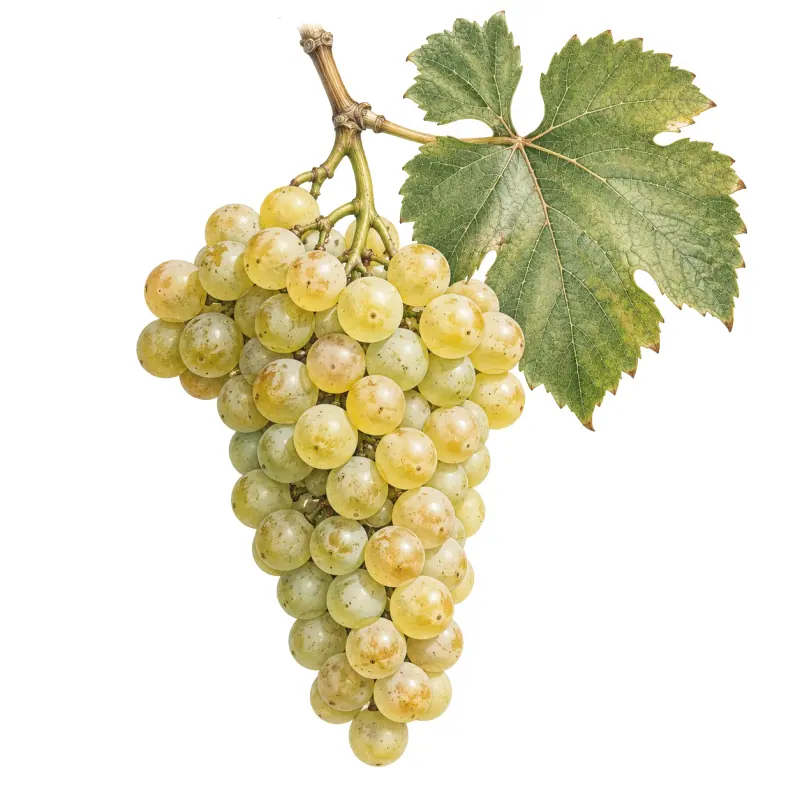
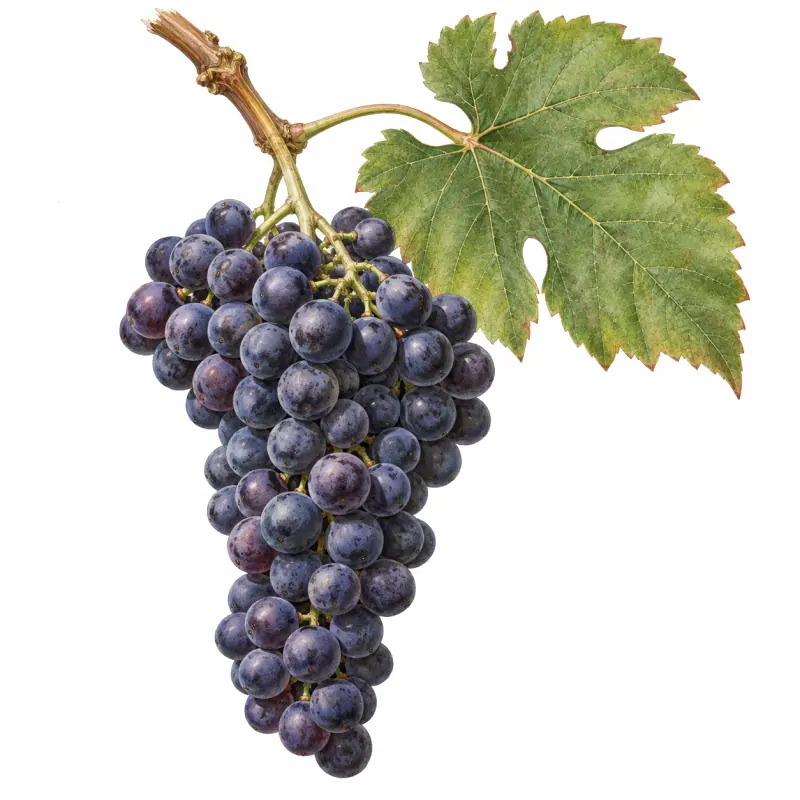
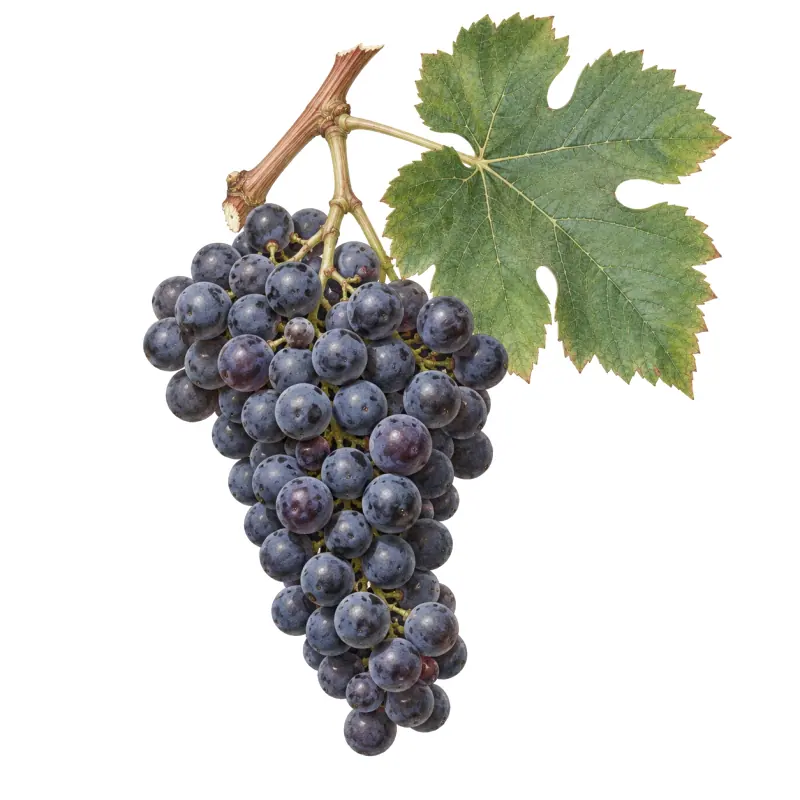
More than 80 varieties are planted, but Cabernet Sauvignon, Chardonnay, Merlot, Riesling and Syrah make up over 80% of production each year. The Commission puts the state at nearly 1,000 wineries and more than 35,000 acres (about 14,160 ha) of wine grapes.
How it connects
Wine region
- in United States
- subregion Columbia Valley
Grape variety
- grows Cabernet Sauvignon
- grows Chardonnay
- grows Merlot
- grows Syrah
Continue exploring
- CountryUnited States of America33 entries in the atlas so far
- Grape varietyCabernet Sauvignon
- Grape varietyChardonnay
- Grape varietyMerlot
- Grape varietySyrah
- Wine regionColumbia ValleyProsser, United States of America
- Wine regionUnited StatesUnited States of America
 RecipeEscargots à la bourguignonneBurgundy, France
 RecipeFondue au ComtéJura massif, Franche-Comté, France
 RecipeGougèresBurgundy, France