Wine · Wine region · Short entry
Columbia Valley
Columbia Valley
Columbia Valley is a cross-border AVA of about 4.6 million ha, covering much of central and south-eastern Washington and part of north-central Oregon. It lies in the rain shadow of the Cascades, receives 150–200 mm of rain a year and is irrigated from the Columbia River and its tributaries. It holds over 99% of Washington's vinifera vineyards and contains most of the state's other AVAs.

Irrigation, research and the 1984 AVA
The valley is named after the Columbia River, which the Washington State Wine Commission notes was named after Robert Gray's ship Columbia Rediviva, the first to sail up it in 1792. Vines were planted in the Walla Walla Valley in 1859–1860. William Bridgman's irrigation schemes at Sunnyside from 1902 opened the dry land, and he planted grapes on Snipes Mountain in 1917.
Walter Clore's trials at the Prosser research station, begun in 1960, tested which varieties suited the region; by 1974 he had overseen plantings of 312 varieties. The Commission dates the oldest Cabernet Sauvignon vines in the state, at Otis Vineyard in the Yakima Valley, to 1956, and the first vineyard on Red Mountain to 1975. Yakima Valley became an AVA in 1983. The Columbia Valley AVA was established by T.D. ATF-190 on 13 November 1984, and its boundary has since been amended several times, including realignments in 2001 and 2016.
Basalt and the Missoula Floods
Before its 2016 realignment TTB gave the AVA about 11,370,320 acres (4.6 million ha); the change removed about 57,020 acres. The Commission describes a low desert east of the Cascades, arid to semi-arid and continental, with 150–200 mm of rain a year, so vinifera must be irrigated from the river, its tributaries and aquifers.
Its soils come from the Missoula Floods, a series of outbursts from Glacial Lake Missoula about 15,000 years ago. Most vineyards lie below the flood level, at under about 365 m, on loess, wind-blown sand and silt, over gravel and slackwater sediments, with basalt bedrock. The Commission says the basalt is so thick and heavy that parts of the basin lie below sea level. The Yakima fold belt raises ridges with south-facing slopes, on which AVAs such as Red Mountain, Rattlesnake Hills and Horse Heaven Hills lie.
Control and consistency
The Commission credits irrigation and consistently warm, dry growing seasons with giving growers a high degree of control over the grapes, and says this narrows vintage variation. Long, warm days give ripe fruit flavours, and the large day-night swing and rapid cooling at harvest preserve acidity. The light, well-drained loess holds little water, which suits irrigated viticulture; cover crops keep it from blowing away. Many vines are own-rooted, which the Commission says is thought to contribute to varietal typicity.
A parent AVA for Washington
The TTB register lists 19 AVAs inside the Columbia Valley: Ancient Lakes of Columbia Valley, Beverly, Washington, Candy Mountain, Columbia Hills, Goose Gap, Horse Heaven Hills, Lake Chelan, Naches Heights, Rattlesnake Hills, Red Mountain, Rocky Reach, Royal Slope, Snipes Mountain, The Burn of Columbia Valley, The Rocks District of Milton-Freewater in Oregon, Wahluke Slope, Walla Walla Valley, which crosses into Oregon, White Bluffs and Yakima Valley. A wine labelled with Columbia Valley needs at least 85% of its grapes from inside the boundary.
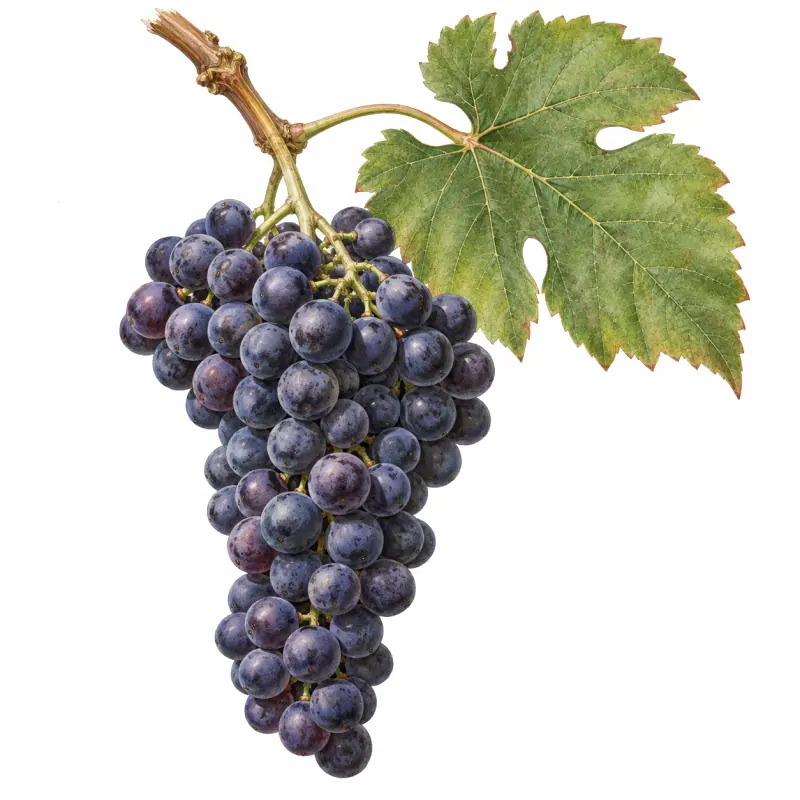
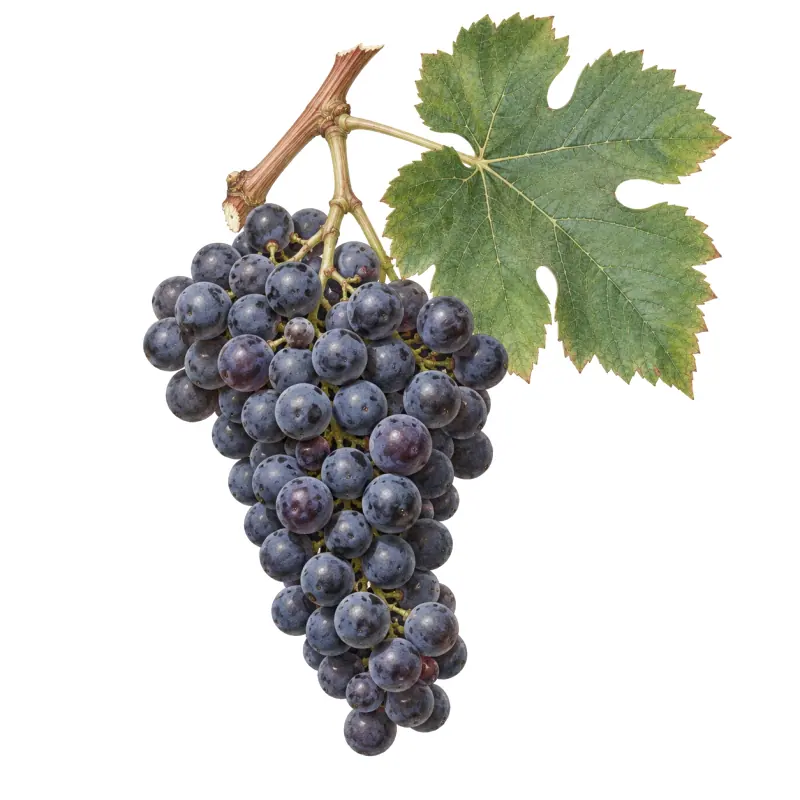
The Commission counts 60,079 acres (about 24,310 ha) under vine, 59,234 of them in Washington. Cabernet Sauvignon, Chardonnay, Merlot, Riesling and Syrah are the leading varieties.
How it connects
Wine region
- in Washington State
- related Oregon
Grape variety
- grows Cabernet Sauvignon
- grows Merlot
- grows Syrah
- grows Chardonnay
Continue exploring
- CountryUnited States of America33 entries in the atlas so far
- Grape varietyCabernet Sauvignon
- Grape varietyChardonnay
- Grape varietyMerlot
- Grape varietySyrah
- Wine regionOregonUnited States of America
- Wine regionWashington StateUnited States of America
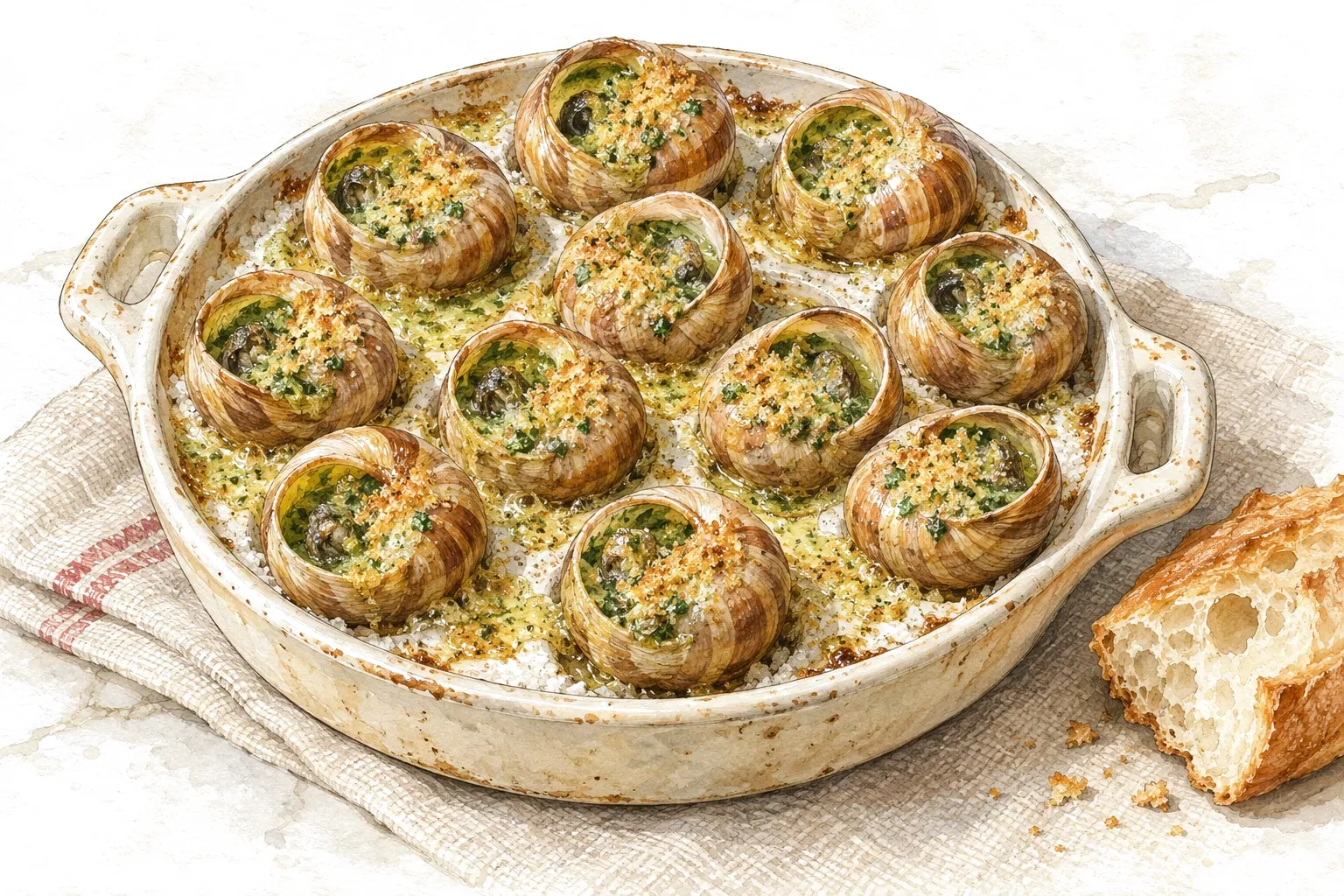 RecipeEscargots à la bourguignonneBurgundy, France
 RecipeFondue au ComtéJura massif, Franche-Comté, France
 RecipeGougèresBurgundy, France