
Wine · Wine region · Short entry
Virginia
Virginia
Virginia has more than 4,000 acres (about 1,620 ha) of vines in ten industry regions, from the Shenandoah Valley and the Blue Ridge to the Chesapeake Bay and the Eastern Shore. Its AVAs include Monticello, named for Thomas Jefferson's estate, where he tried to grow European grapes in the 1770s. Viognier, Cabernet Franc, Petit Verdot and the native Norton are among its signature grapes.
Jefferson's trials and a late-twentieth-century industry
Virginia Wine traces attempts to make wine to the first settlers and to the founding fathers. Thomas Jefferson tried to make wine at Monticello in the 1770s and spent years trying to grow European varieties there. The marketing office calls Norton, which originated in Virginia, America's oldest wine grape.
The industry took root only in the late 1970s. Virginia Wine says there were about 50 wineries by the mid-1990s, twice as many less than a decade later, and nearly 300 today. The federal AVAs followed the same period: Shenandoah Valley, shared with West Virginia, on 28 December 1982; Rocky Knob and North Fork of Roanoke in 1983; Monticello on 23 January 1984; Northern Neck George Washington Birthplace in 1987; Virginia's Eastern Shore in 1991; Middleburg in 2012; Appalachian High Country, shared with North Carolina and Tennessee, in 2016; and Virginia Peninsula in 2021.
Piedmont, mountains and bay
Virginia Wine describes regions that run from rocky mountain slopes to sandy shores. In the Blue Ridge, vineyards on granite and red clay benefit from cooler springs, later budbreak and lower humidity. Central Virginia, on the eastern slopes of the Blue Ridge, has granite-based clay soils and a growing season of over 200 days. TTB's 2018 rule for the Monticello AVA, about 3,420 km² in four counties, names the Nason, Manteo, Tatum and Louisburg soils and records that cold air drains through gaps in the Blue Ridge, leaving the AVA 2–3 °C warmer than the land around it, with 190–200 frost-free days.
The Shenandoah Valley, between the Blue Ridge and the Allegheny plateau, is drier, with cool nights but a risk of severe winters and late frost. On the coast, the Chesapeake Bay and rivers reduce winter injury and spring frost, the soils are sandy loam and clay, and hurricanes are a hazard.
Between Europe and California
Virginia Wine describes its wines as lush but structured, aromatic and balanced, placing them between Old World and New World styles. Its regional profiles link character to place: growers in the Shenandoah Valley say higher elevation and cool nights give wines backbone and acidity; Central Virginia growers describe Cabernet Franc with red berries and black pepper and Viognier with peach and honeysuckle; on the Eastern Shore the office cites expressive wines with minerality from a moderate maritime climate and sandy soils. In the warmer south, warmth helps ripen reds before late-season rains.
Regions, AVAs and grapes
Virginia Wine groups the state into ten regions for visitors and producers: Blue Ridge, Central Virginia, Chesapeake Bay, Eastern Shore, Hampton Roads, Heart of Appalachia, Northern Virginia, Shenandoah Valley, Southern Virginia and Virginia Mountains. These are not legal appellations. The TTB register lists seven AVAs wholly in Virginia and two shared with other states, Shenandoah Valley and Appalachian High Country; wines follow the federal 75% state and 85% AVA rules.
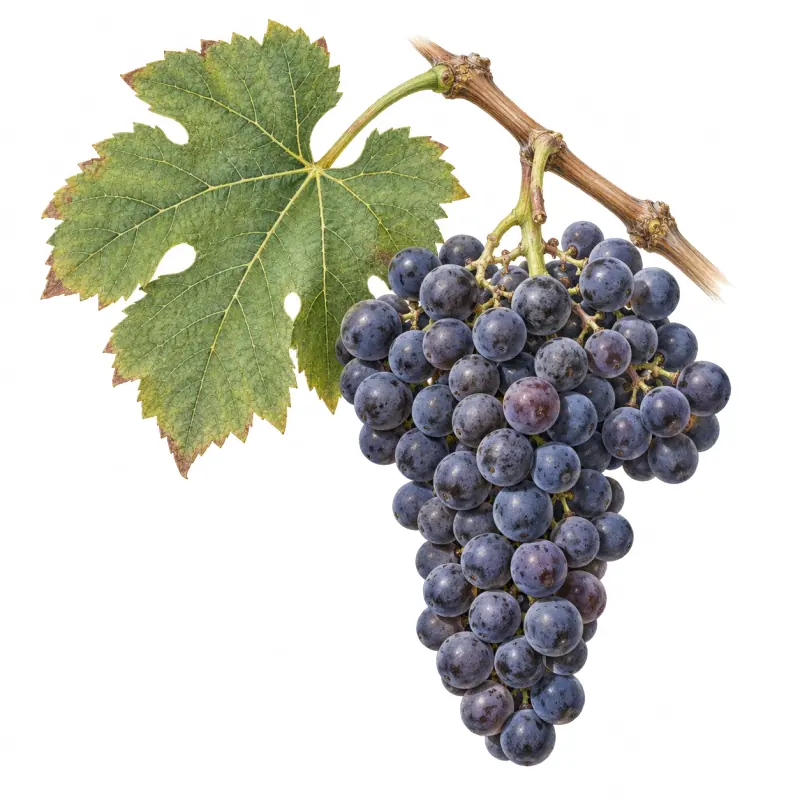
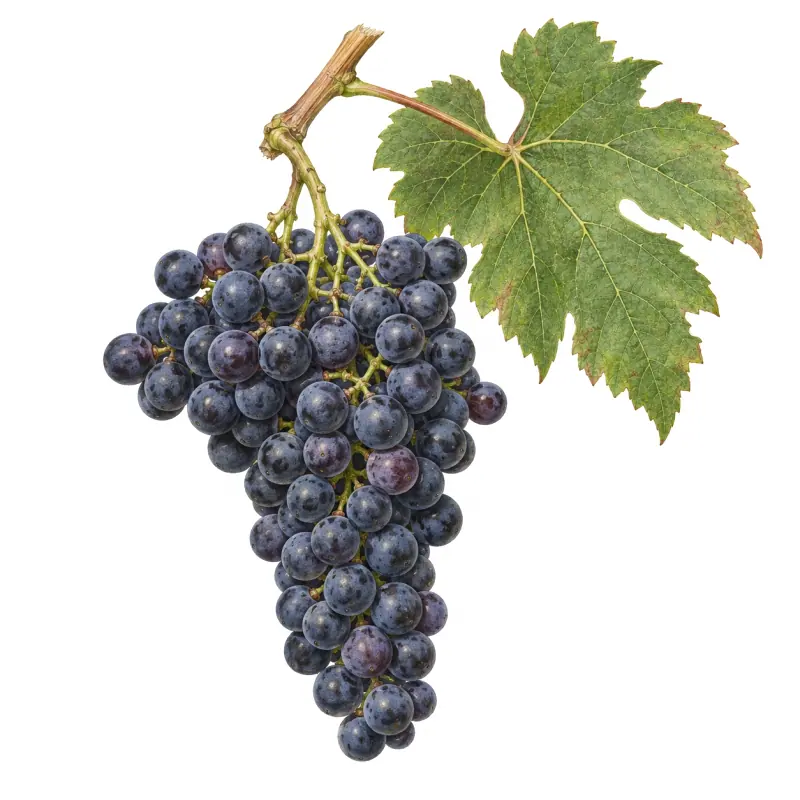
Bordeaux-style red blends are among the most noted wines. Viognier, Cabernet Franc and Petit Verdot are the office's signature grapes, alongside Chardonnay, Merlot, Cabernet Sauvignon, Albariño and Norton. Hybrids such as Vidal Blanc and Chambourcin are grown in the cooler mountain regions.
How it connects
Wine region
Grape variety
- grows Cabernet Franc
- grows Viognier
- grows Petit Verdot
Continue exploring
- CountryUnited States of America33 entries in the atlas so far
- Grape varietyCabernet Franc
- Grape varietyPetit Verdot
- Grape varietyViognierFrance
- Wine regionUnited StatesUnited States of America
- Wine regionBordeauxBordeaux, France
- Grape varietyCabernet Sauvignon
 Grape varietyCarmenère
 Grape varietyMerlot
- Wine regionAnjouAngers, France