
Wine · Wine region · Short entry
Serra Gaúcha
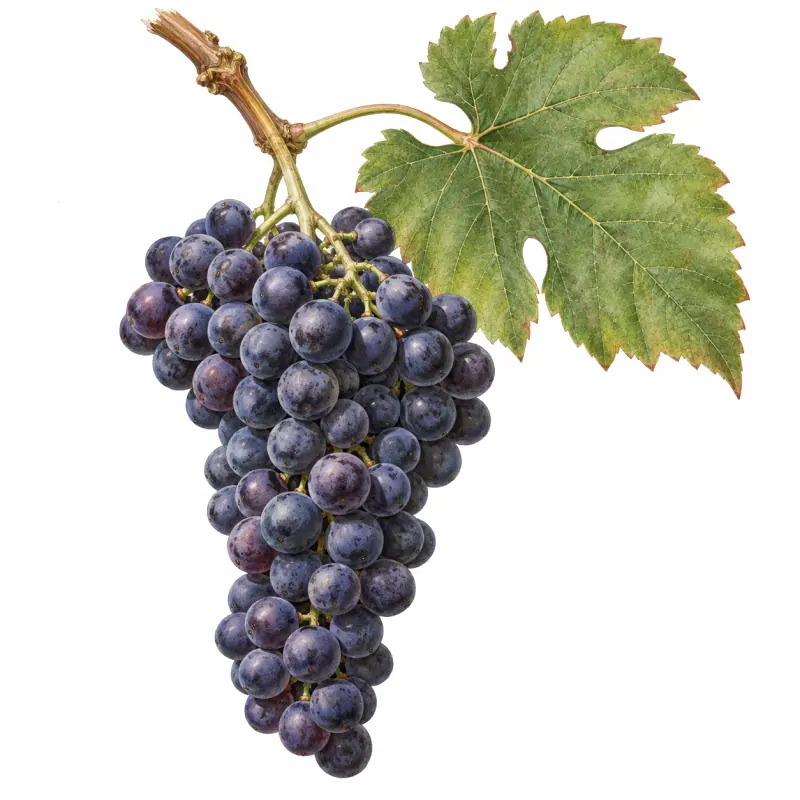
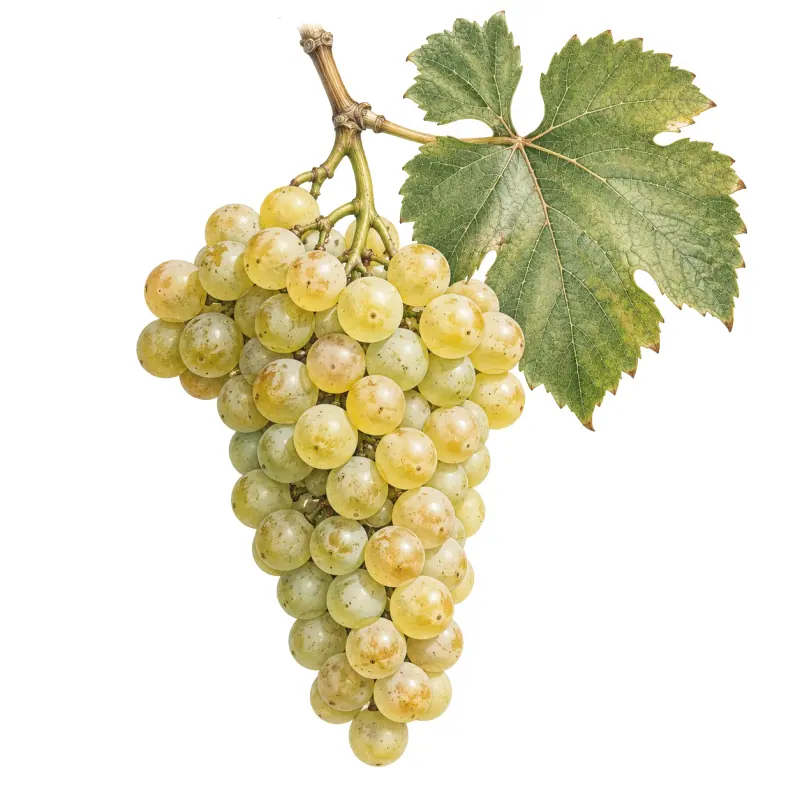
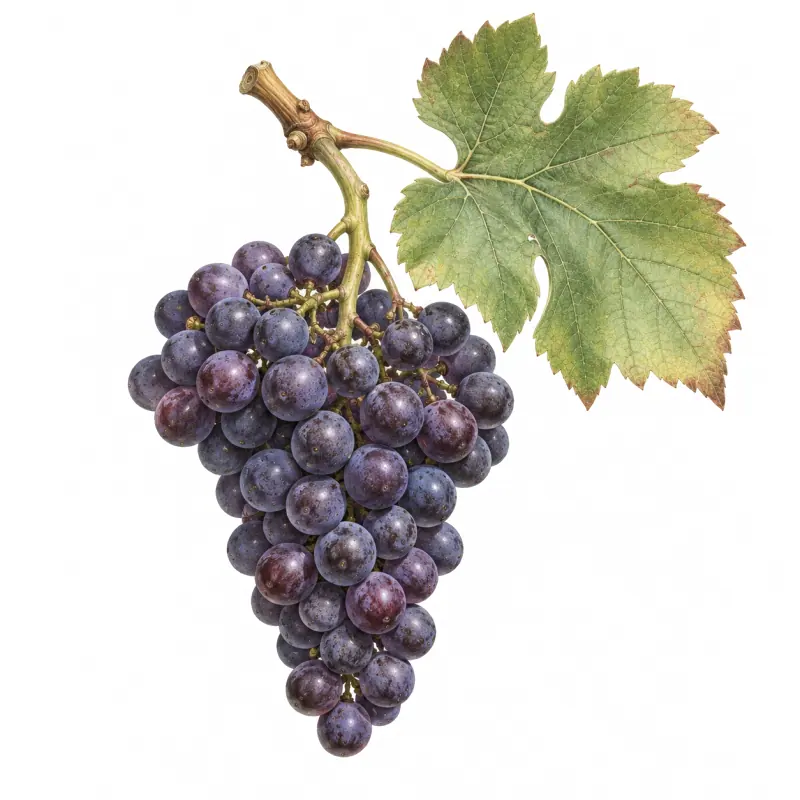
The Serra Gaúcha, in north-eastern Rio Grande do Sul, is Brazil's traditional wine region, shaped by Italian settlers from 1875. It holds six of the state's seven wine indications: the IPs Vale dos Vinhedos, Pinto Bandeira, Altos Montes, Monte Belo and Farroupilha, and the DO Vale dos Vinhedos. Embrapa describes a temperate, humid upland on volcanic rock between about 200 and 885 m, noted since the 1980s for sparkling wine.
Italian smallholders and the first indications
Embrapa traces the Serra Gaúcha's wine landscape to colonisation by Italian immigrants from 1875, on small family farms with mixed farming in which the vine shaped regional identity. American grapes came first; from the 1930s to the 1960s wineries and cooperatives grew in the towns, and from the 1970s vinifera varieties, rural wineries and varietal wines spread. In the Vale dos Vinhedos, settlers' accounts and references from the 1890s describe wine as a 'true nectar' of Bento Gonçalves. From the mid-1980s new vineyards and commercial wineries were founded; in the 1990s growers formed Aprovale, and in 2002 the Vale dos Vinhedos became Brazil's first registered geographical indication. Pinto Bandeira (2010), Altos Montes (2012), Monte Belo (2013) and Farroupilha (2015) followed, and the DO Vale dos Vinhedos in 2012. The Brazilian Association of Oenology lists Bento Gonçalves, Caxias do Sul, Garibaldi, Farroupilha, Flores da Cunha and other wine municipalities.
Volcanic plateau and steep valleys
The Serra Gaúcha indications are contiguous, on the left bank of the Rio das Antas. Embrapa describes Tertiary volcanic rocks of the Planalto das Araucárias, very irregular relief and a southern watershed at 700-900 m draining to the Taquari-Antas; rainfall is even and the climate temperate. The land was covered by mixed araucaria forest. The IP Vale dos Vinhedos rises from 205 to 720 m, almost 80% above 500 m, with rhyolite, dacite and rhyodacite on the heights, basalt lower down, and mainly Cambissolos and Argissolos; its climate is warm-temperate, with temperate to warm nights, and humid. The DO, at 400-700 m with slopes of 5-30%, excludes the lower, warmer valley floor. Altos Montes lies at 550-885 m on basalt, with Cambissolos and Nitossolos; Pinto Bandeira at 500-770 m; Monte Belo at 349-659 m on low-fertility soils. The Brazilian Association of Oenology notes pergola training and both vinifera and American grapes.
Natural acidity and sparkling wine
Embrapa says that at the height of Altos Montes grapes ripen more slowly than at lower altitudes, and that the wines show marked natural acidity, good colour, moderate alcohol, medium to high tannins and good ageing potential. In Pinto Bandeira it links slightly lower temperatures and a delayed cycle to excellent acidity, mainly tartaric, and to the synthesis of anthocyanins and tannins, and singles out traditional-method sparkling wines. It describes DO Vale dos Vinhedos sparkling wines as straw-coloured, fruity and of moderate acidity, and its Merlot as dark ruby with raspberry and blackberry notes.
DO and IP rules
The DO Vale dos Vinhedos sets minimum shares of a few varieties. Sparkling wines need at least 60% Chardonnay and/or Pinot Noir, blended only with Riesling Itálico, made only by the traditional method with at least nine months on the lees. Reds are varietal Merlot (at least 85%) or blends with Tannat, Cabernet Sauvignon or Cabernet Franc containing at least 60% Merlot. Whites are varietal Chardonnay (at least 85%) or blends with Riesling Itálico with at least 60% Chardonnay. Grapes must be grown entirely within the DO, with yield limits. Sparkling wine is made in all the indications; in Pinto Bandeira and the DO only by the traditional method. Farroupilha covers only Moscatel wines, including Moscatel sparkling, frisante and liqueur wine. The Serra also grows American grapes, but the indications use Vitis vinifera only.
Classification
- DO Vale dos Vinhedos (2012)Sparkling wines with at least 60% Chardonnay and/or Pinot Noir, traditional method; reds Merlot-based; whites Chardonnay-based.
- IPsVale dos Vinhedos (2002), Pinto Bandeira (2010), Altos Montes (2012), Monte Belo (2013), Farroupilha (2015).
How it connects
Wine region
- in Brazil
Grape variety
- grows Merlot
- grows Chardonnay
- grows Pinot Noir
- grows Cabernet Sauvignon
Continue exploring
- CountryBrazil10 entries in the atlas so far
- Grape varietyPinot Noir
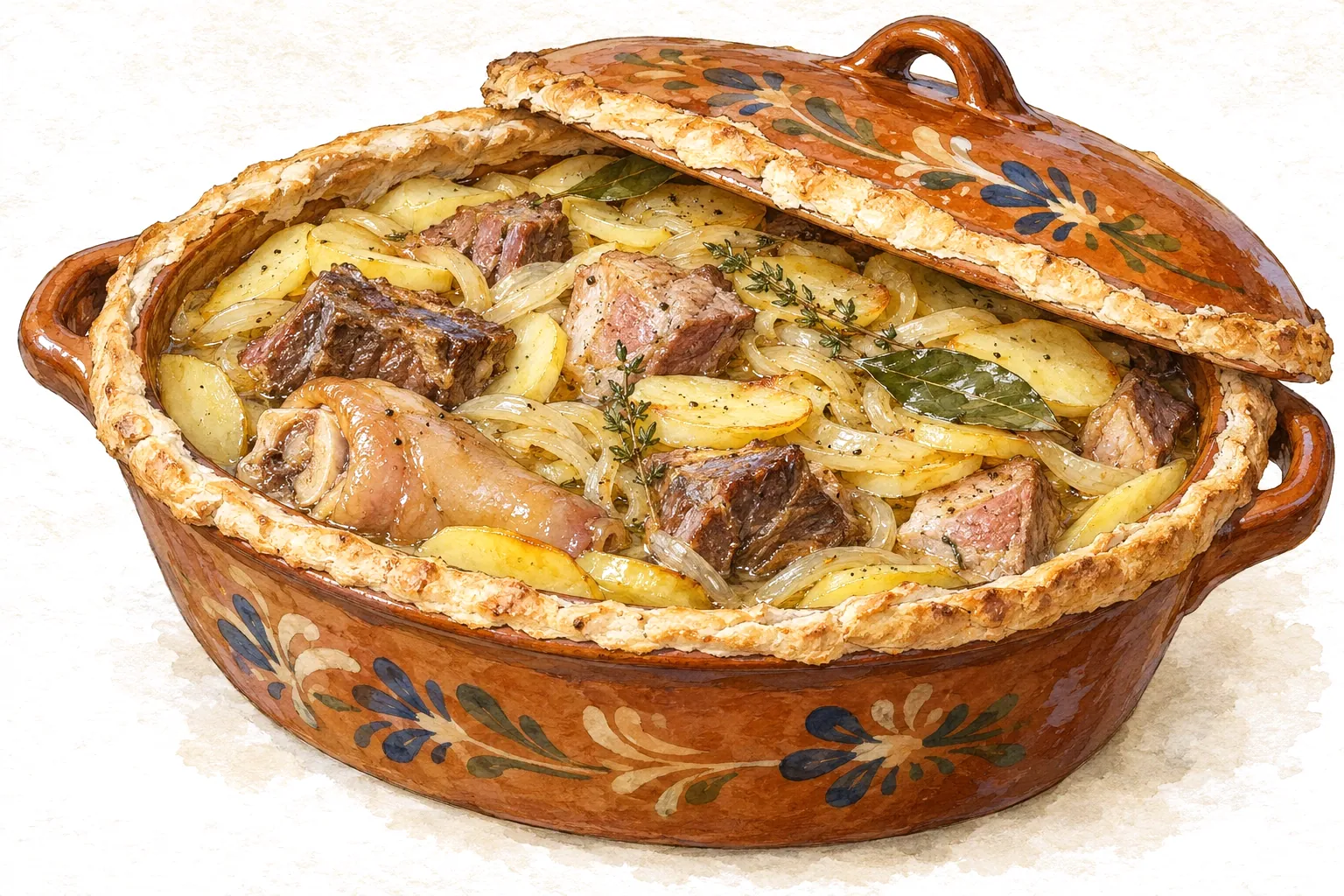 RecipeBaeckeoffeAlsace, France
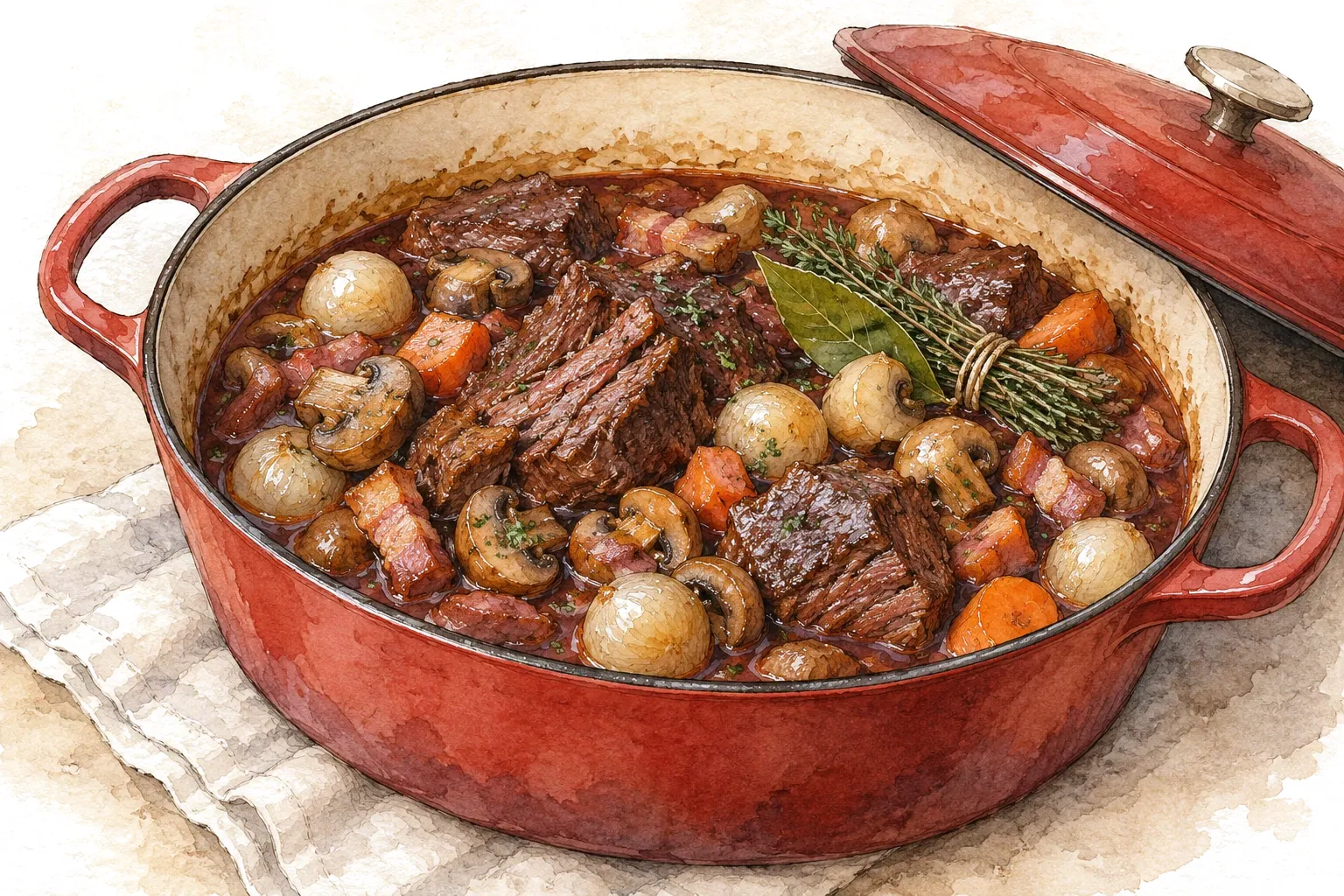 RecipeBœuf bourguignonDijon, France
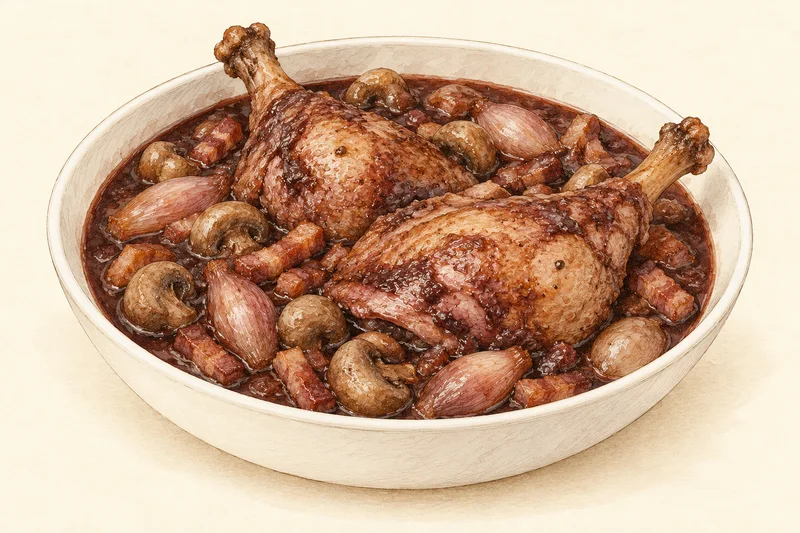 RecipeCoq au vinBurgundy, France
- RecipeFeijoadaBrazil
- Grape varietyCabernet Sauvignon
- Grape varietyChardonnay
- Grape varietyMerlot
- Wine regionBrazilBrazil (national overview), Brazil