
Wine · Wine region · Short entry
Pic Saint Loup
Pic Saint Loup
Pic Saint Loup is a red and rosé appellation of 17 communes, 15 in the north-east of the Hérault and two in the Gard, below the limestone peak that gives it its name. It became a separate AOC in 2017 after decades as a named area within Coteaux du Languedoc. The specification calls it one of the coolest and wettest terroirs of Languedoc.
A named area that became an AOC
The specification dates vines here to Roman times, as shown by place names, and says some estates have passed from generation to generation since the seventeenth century. Between 1955 and 1966 Pic Saint-Loup was one of the founding VDQS of Coteaux du Languedoc, and on 24 December 1985 it became a named area of the new Coteaux du Languedoc AOC. In 1994, as a first step toward a hierarchy, specific production conditions for Pic Saint-Loup were written into the Coteaux du Languedoc decree. The syndicate describes decades of work by growers on both vineyards and a separate appellation project. The Pic Saint-Loup specification was approved by order on 31 January 2017; a Conseil d'État ruling of 12 December 2018 annulled only its provision for a nearby winemaking area.
Crests, combes and karst basins
The 17 communes are dominated by the limestone massif of the Pic Saint-Loup, between the Mediterranean and the Cévennes, with the Hortus relief nearby. The rocks are mainly Lower Cretaceous and Upper Jurassic, with Tertiary marls, sandstones and conglomerates at the southern end. Most soils develop on alternating beds of soft limestone and marl, others on black marls or alluvial fans. The landscape is a series of crests and combes running south-west to north-east or west to east, with karst basins, small limestone cliffs topped by pines, and beige to white stony earth, sometimes red. There is no large river or wide valley. Vines grow among garrigue, Aleppo pine and holm oak, at 80 m to more than 300 m (about 150 m on average), on flats or moderate slopes. The climate is one of the coolest in Languedoc, with a mean of 12.3 °C, and one of the wettest, at 900–1,000 mm a year.
Cool nights, fine tannins
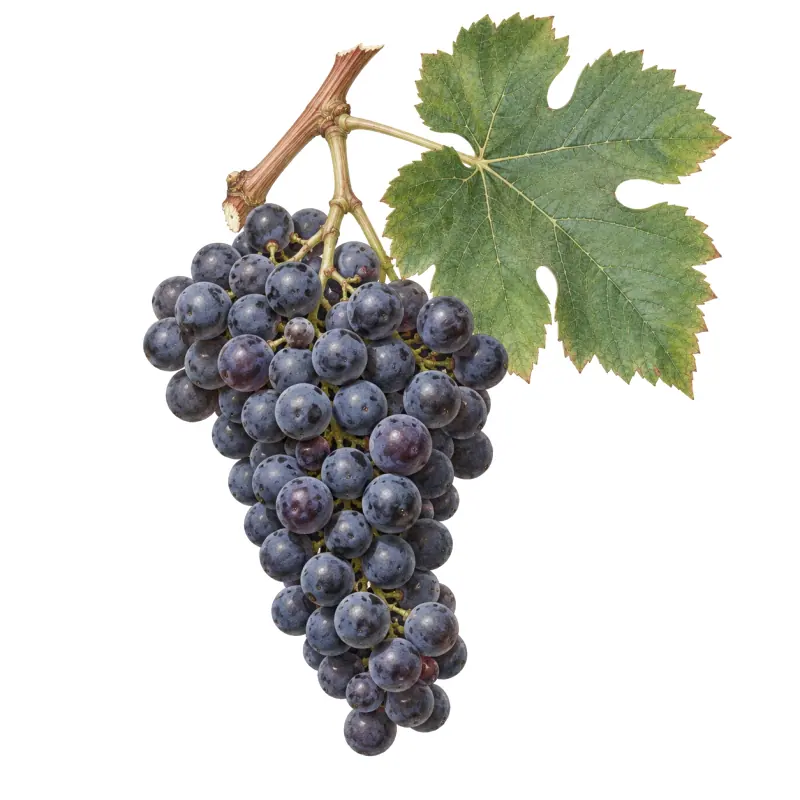
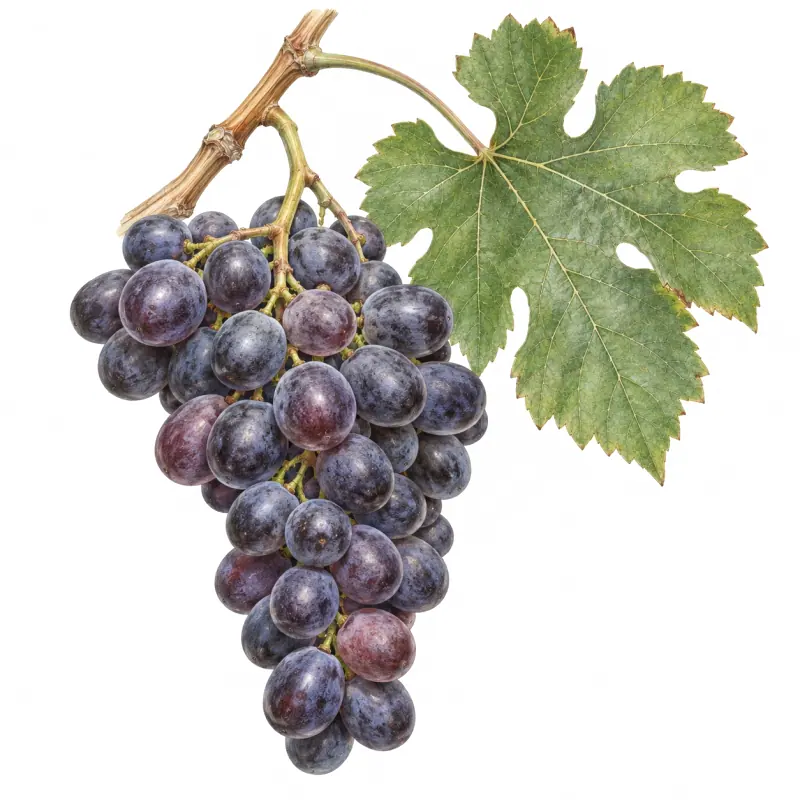
The specification describes garnet reds with red fruit and liquorice, elegant, balanced and fresh, with a firm frame of fine tannins, developing red fruit and spice with age. Rosés are light to medium in colour, fresh and round, with small red fruit. It credits the wide day–night temperature range in August and September with fine, fresh aromas, and the cool nights with the synthesis of aroma precursors and anthocyanins behind the garnet colour and tannins. Syrah suits most sites; Grenache and Cinsault go on the driest parcels and Mourvèdre and Carignan on the hottest. The higher rainfall led growers to plant more densely than elsewhere in Languedoc.
Syrah first
Pic Saint Loup covers still red and rosé wine. Reds have Syrah, Grenache and Mourvèdre as principal grapes: at least two must be present, Syrah must be at least 50%, and the accessory Cinsault, Carignan, Counoise and Morrastel may not exceed 10%. Rosés use the same principal grapes, with at least 30% Syrah and Cinsault up to 30%. Vines are planted at a minimum of 5,500 per hectare. Reds are aged until 1 July of the year after the harvest and released from 15 July. Labels must show the vintage and may not name the grapes.
How it connects
Wine region
- in Languedoc
Grape variety
- grows Syrah
- grows Cinsaut
- grows Garnacha Tinta
- grows Monastrell
Continue exploring
- CountryFrance162 entries in the atlas so far
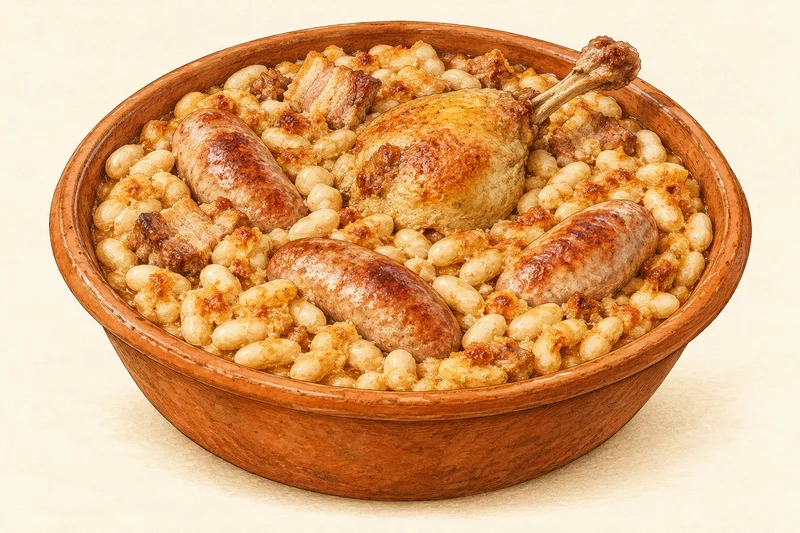 RecipeCassouletCastelnaudary, France
- Grape varietyCinsaut
- Grape varietyGarnacha Tinta
- Grape varietyMonastrell
- Grape varietySyrah
- Wine regionLanguedocNîmes, France
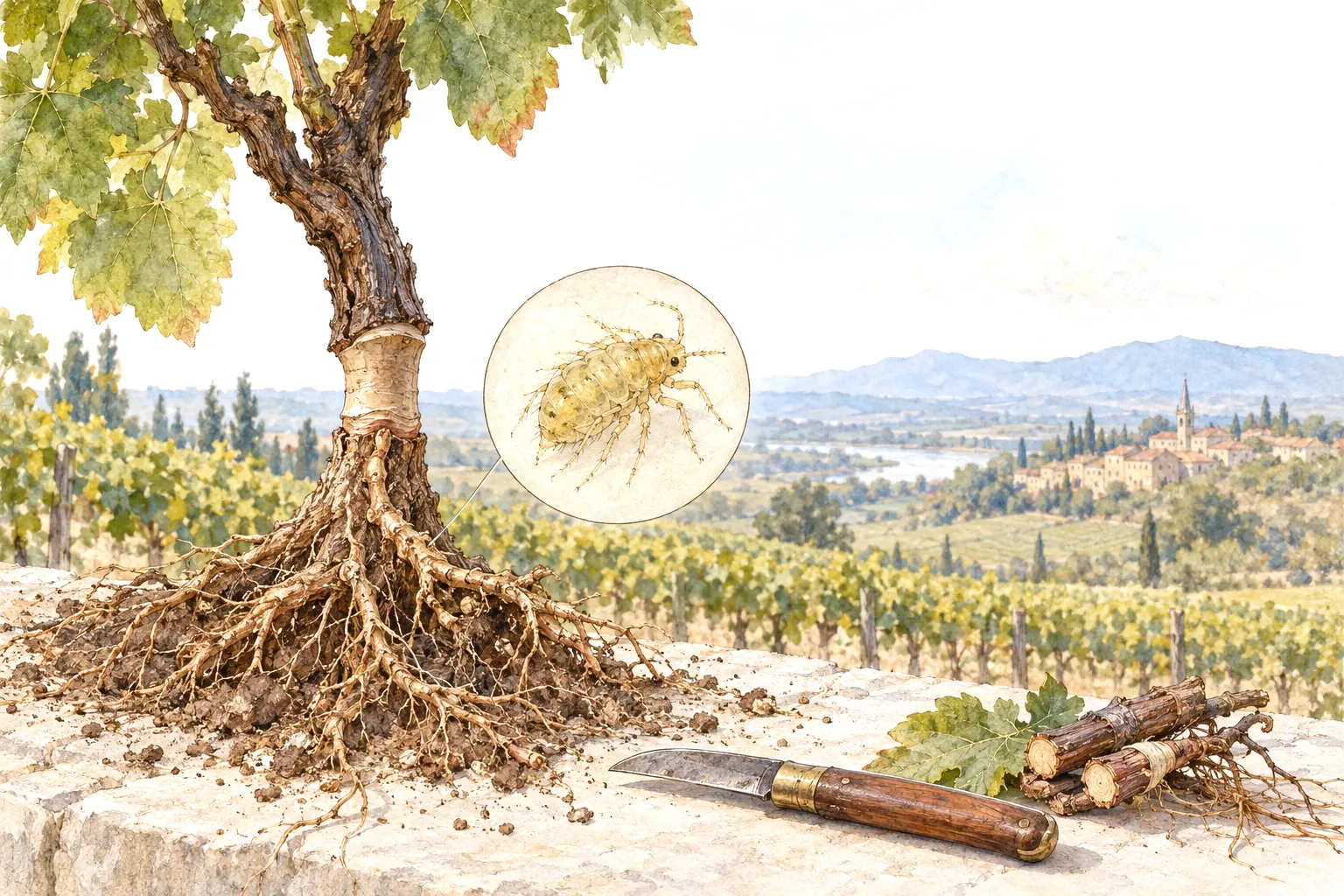 StoryPhylloxera: the insect that remade the vineyards of the worldFrance
 Grape varietyAlicante Bouschet
 Grape varietyAramon