Wine · Wine region · Short entry
Okanagan Valley
Okanagan Valley
Okanagan Valley is British Columbia's largest wine geographical indication, running more than 250 km from the US border north to Armstrong along Okanagan Lake. Soils are mainly glacial till, sand, gravel and volcanic rock. Eleven sub-GIs, such as Golden Mile Bench and Naramata Bench, mark distinct sites. Pinot Gris, Chardonnay, Merlot and Pinot Noir are among the main grapes.

A GI and its sub-GIs
The BC Wine Authority dates the earliest record of wine grapes in British Columbia to 1907. The Okanagan Valley is one of the geographical indications of the provincial appellation system, which took legal form with the Wines of Marked Quality Regulation in 2005. Its present boundary is shown on a map dated 9 September 2019 under B.C. Reg. 168/2018.
Since then the valley has been divided further. Golden Mile Bench, on the west side south of Oliver, was the province's first sub-GI; its current map is dated 29 January 2021. Naramata Bench's map is dated 4 March 2019. The Authority now lists eleven sub-GIs: East Kelowna Slopes, Golden Mile Bench, Golden Mile Slopes, Lake Country, Naramata Bench, Okanagan Falls, Skaha Bench, South Kelowna Slopes, Summerland Bench, Summerland Lakefront and Summerland Valley.
Glacial benches above the lakes
The Wine Authority describes a GI of more than 250 km whose landscapes range from lakefront slopes and rolling hills to arid, desert-like land. Okanagan Lake, running through much of the valley, cools summers and warms autumns, extending the season. The soils are mainly glacial till, sand, gravel and volcanic rock: well drained and poor, so vines root deeply.
The sub-GIs show the variation. Golden Mile Bench lies on east-facing slopes at about 300–600 m below Mount Kobau, on gravelly glacial deposits, sandy loams and silt shaped by glacial retreat and old river action, with some volcanic material from Kobau. Naramata Bench, on the east shore of the lake, has sandy loam with pockets of clay and gravel, of sedimentary and glacial origin, on steep slopes. The Québec wine specification, citing the BC Wine Institute, gives the Okanagan about 1,405 growing degree days (base 10 °C).
Bright acidity and concentration
The Wine Authority credits the poor, well-drained soils with deep rooting and concentrated flavour, and the lake and varied elevations and exposures with the distinct character of each sub-region. It describes white wines with bright acidity and expressive fruit, reds suited to particular sub-regions, and a span from cool-climate whites and sparkling wines to full-bodied reds and icewine. On the Golden Mile Bench the east-facing slopes take the morning sun and avoid the afternoon heat, giving balanced wines with vibrant acidity; Merlot there shows dark fruit and supple tannins. On the Naramata Bench, cool nights preserve acidity.
Okanagan Valley on the label
Under B.C. Reg. 168/2018, a BC VQA wine may carry "Okanagan Valley" if at least 85% of its grapes come from the GI and the rest from elsewhere in British Columbia. A sub-GI such as Naramata Bench must appear together with "Okanagan Valley". The GI names where the grapes were grown, not where the winery is: a Fraser Valley winery may use "Okanagan Valley" for Okanagan grapes.
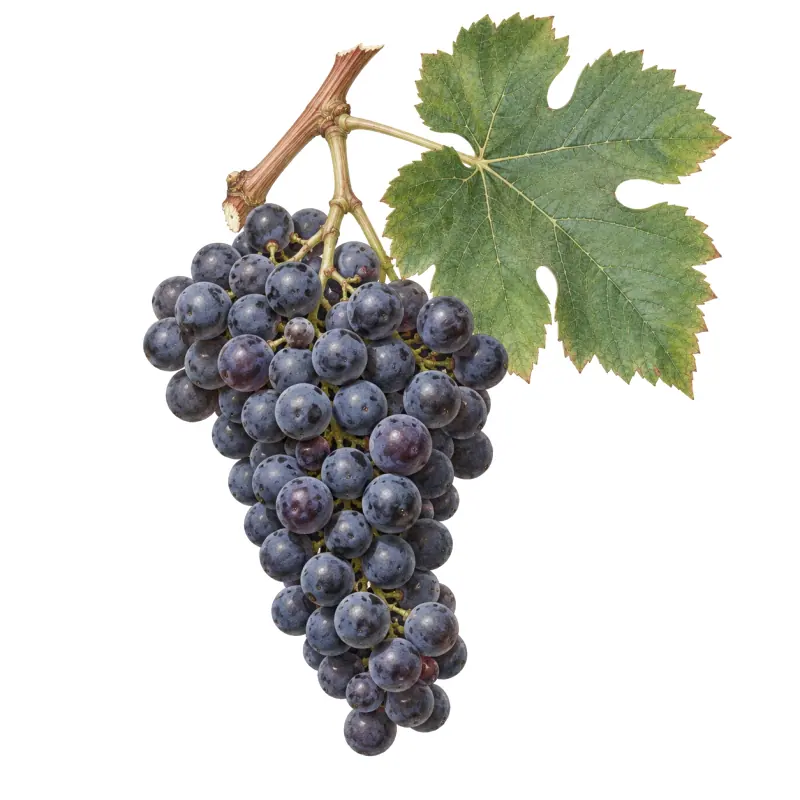
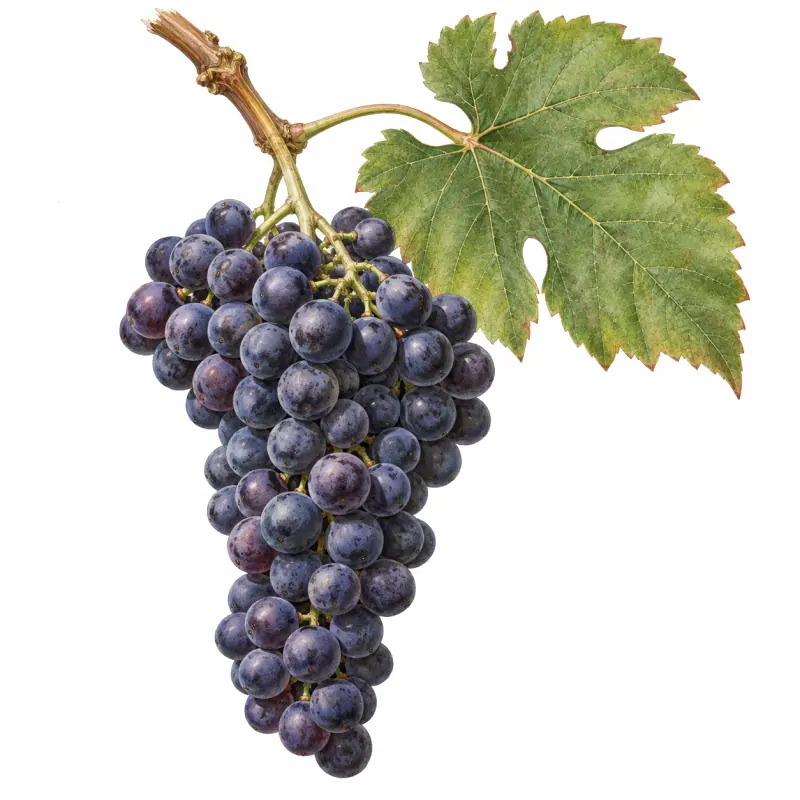
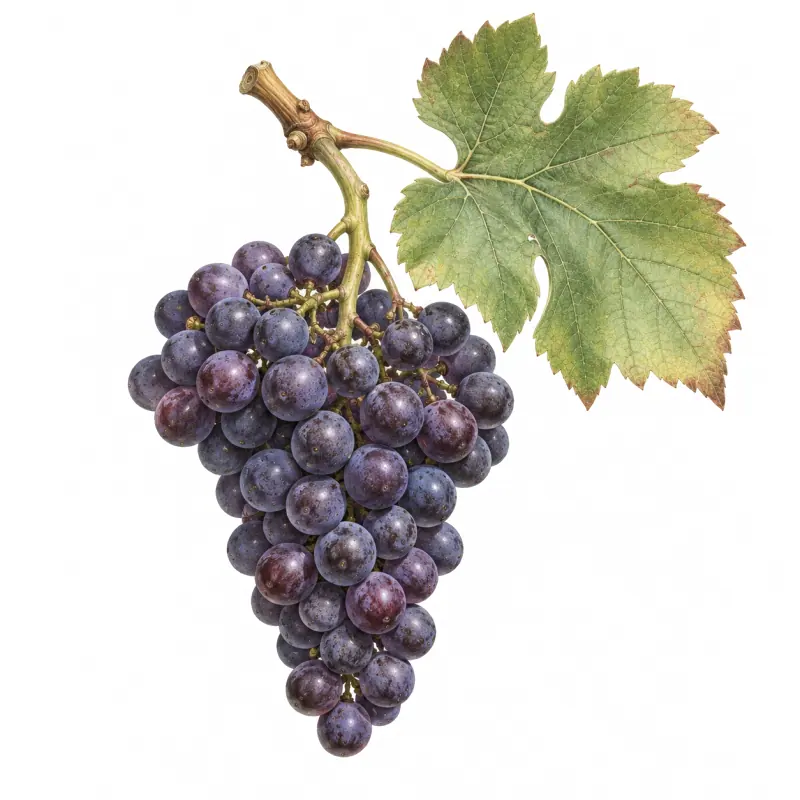
Popular white varieties include Pinot Gris, Chardonnay and Riesling; Merlot, Cabernet Sauvignon, Pinot Noir and Syrah are widely planted reds. The Wine Authority names Merlot as central to the Golden Mile Bench, with Cabernet Franc, Cabernet Sauvignon and Syrah, and lists Chardonnay, Pinot Gris, Riesling, Pinot Noir and Merlot on the Naramata Bench.
How it connects
Wine region
Grape variety
- grows Merlot
- grows Chardonnay
- grows Pinot Noir
- grows Cabernet Sauvignon
- grows Syrah