
Wine · Wine region · Short entry
Jura
Jura
The Jura vineyard lies on the Revermont, the foothills between the first limestone plateau of the Jura mountains and the Bresse plain, in a broken band about 80 km long. Chardonnay, Savagnin, Poulsard, Trousseau and Pinot Noir are its main grapes, and vin jaune, aged without topping up under a veil of yeast for at least six years, is its best-known speciality. The regional appellation, Côtes du Jura, dates from 1937.

Old grapes, early rules
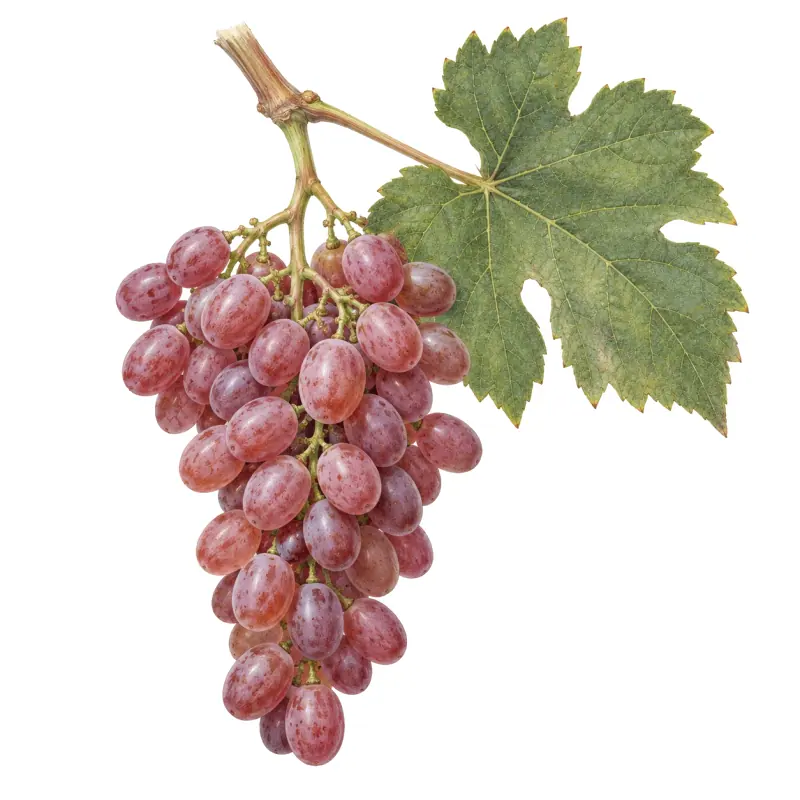
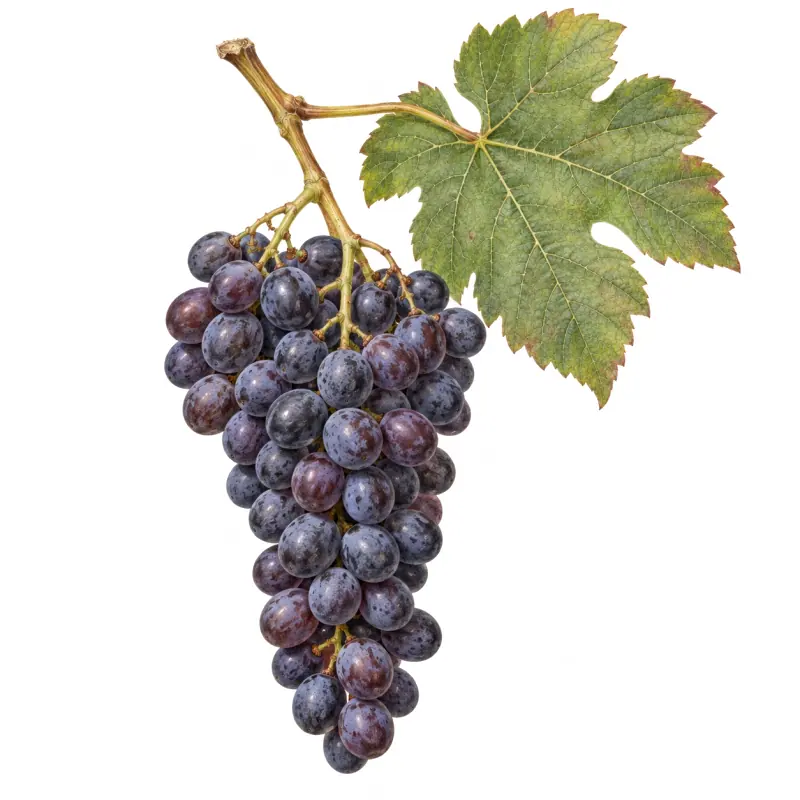
The Côtes du Jura specification dates the vineyard to Roman times; records become plentiful from about the year 1000, and it cites Pliny the Younger on famous wines of Sequania, the region's old name. In 1272 Jean de Chalon set rules for vine growing to protect quality. By the late nineteenth century vines covered 20,000 ha across the department, before phylloxera, wars and economic crises. The grapes are old here: Poulsard is recorded from 1620, Savagnin and Chardonnay from 1717 and Trousseau with certainty from 1732, while Pinot Noir appears as early as 1385 under the name "savagnin noir". The Société de Viticulture du Jura, founded in 1907, helped set up the appellation system and the INAO. Côtes du Jura was recognised by decree on 31 July 1937.
A fractured edge of the mountains
The vineyard occupies the Revermont, between the first limestone plateau of the Jura, about 550 m high, and the eastern edge of the Bresse plain. It forms a broken band about 80 km long and 2–5 km wide, mostly facing west at 300–450 m. When the Jura was thrust over the Bresse during the Alpine uplift, slices of the plateau were torn off and carried forward: these limestone slices now form long hills, 2–3 km north to south and 0.5–1 km across, above marly hollows. The plateau edge is hard Middle Jurassic limestone over a thick series of Triassic and Liassic marls and clays. Limestone is everywhere, and the slopes below the plateau mix marl, clay and limestone scree. The wine council describes vines among fields, pasture, woods and villages, and grey marls especially linked with Savagnin. The climate is cool and wet, oceanic with continental influences: about 10.5 °C, warm humid summers, more than 1,000 mm of rain, and fairly dry, windy autumns.
Marl, scree and the veil
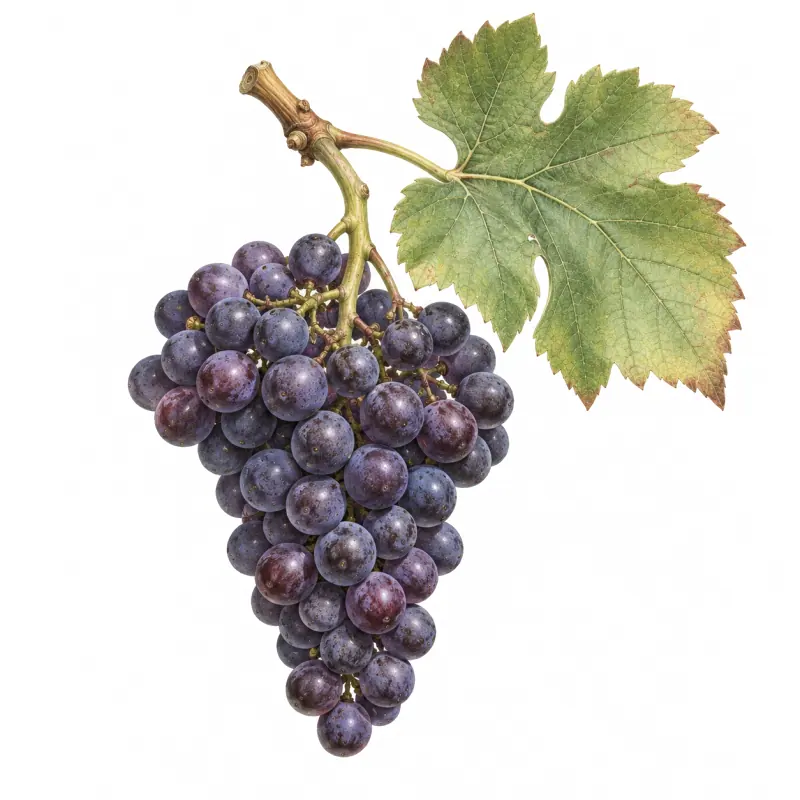
The specification ties the wines to marly clay-limestone soils under limestone scree: deep down the vine finds constant coolness, while the stony surface warms and drains. Dry whites, mostly Chardonnay and Savagnin, have mineral, flinty and fruity notes with much freshness. Poulsard gives pale ruby, fruity reds, Pinot Noir darker ones, and Trousseau more tannic, coloured wines. Vin jaune has the "goût de jaune" of walnut, apple, candied fruit and spice, and can keep 50 or 100 years. Vin de paille is sweet, with candied fruit, prune, orange or honey. It credits the wide range between winter and summer with helping the veil yeasts, and the dry autumns with helping grapes dry for vin de paille.
Different grapes and cellar traditions
Côtes du Jura covers still white, red and rosé wine, with the mentions vin jaune and vin de paille. Whites have Chardonnay and Savagnin as principal grapes; reds and rosés Pinot Noir, Poulsard (Ploussard) and Trousseau. Principal grapes make up at least 80% of the vines. Vin jaune comes from Savagnin, made dry and then aged without topping up in oak for at least six years under a natural veil of yeast, and is bottled in the 62 cl clavelin. Vin de paille comes from Chardonnay, Poulsard, Savagnin and Trousseau dried for at least six weeks, and is aged until 15 November of the third year, at least 18 months in wood. Base yields are 60 hl/ha for white, 55 for red and rosé and 20 for vin de paille. Crémant du Jura and Macvin add further identities.
How it connects
Grape variety
- grows Chardonnay
- grows Savagnin blanc
- grows Poulsard
- grows Trousseau
- grows Pinot Noir
Recipe
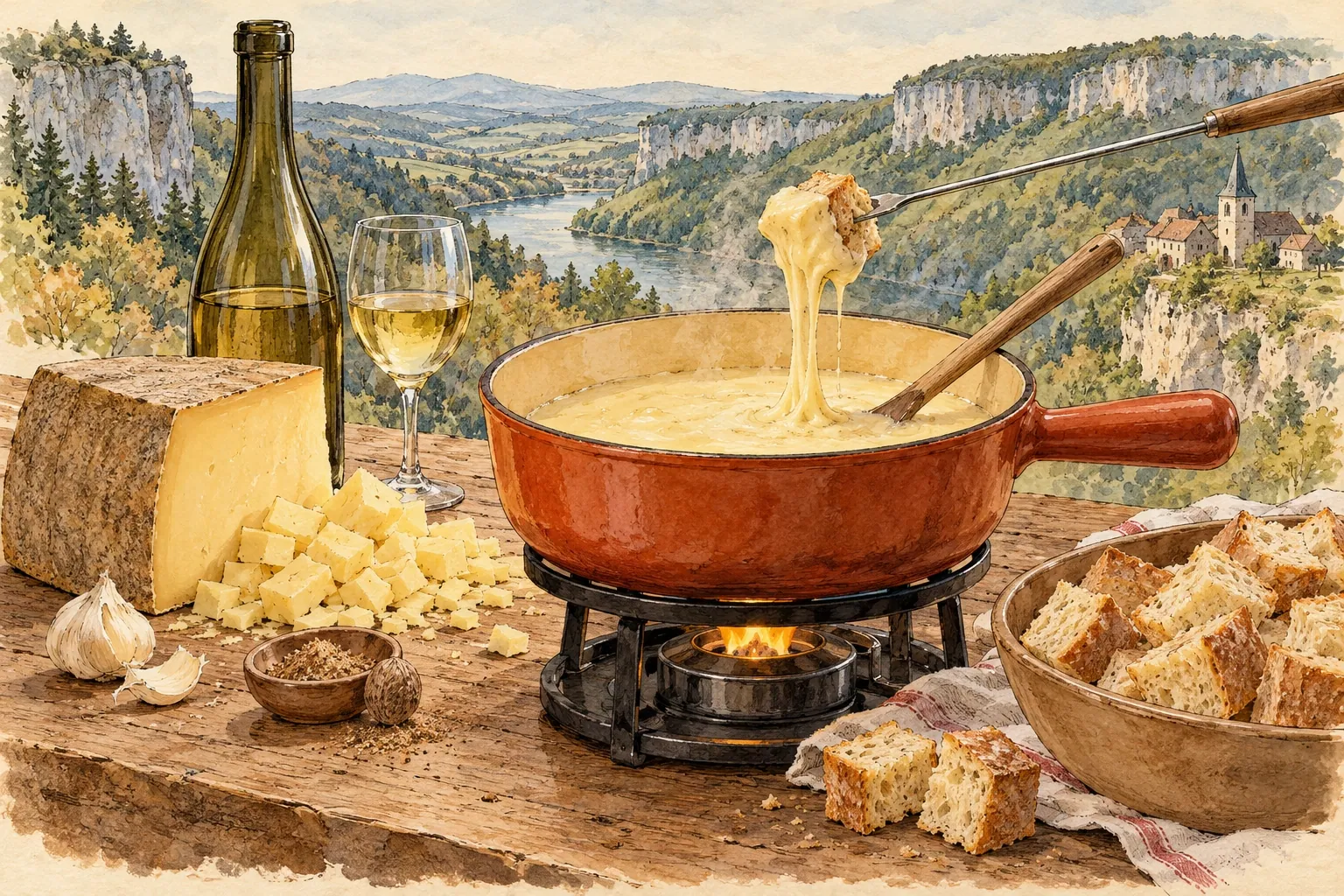
- pairs with Fondue au Comté
Continue exploring
- CountryFrance162 entries in the atlas so far
 RecipeFondue au ComtéJura massif, Franche-Comté, France
 Grape varietyPinot Noir
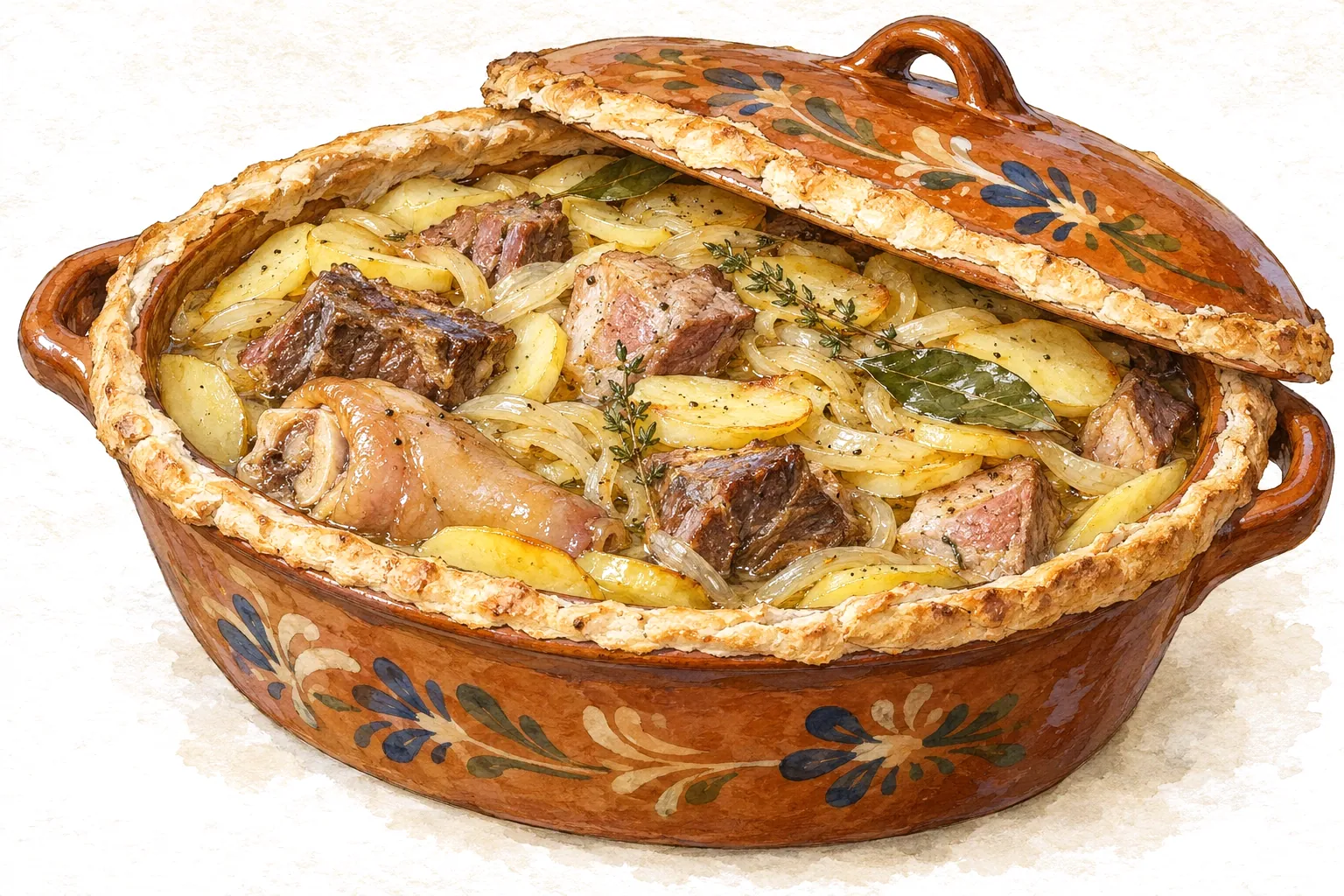 RecipeBaeckeoffeAlsace, France
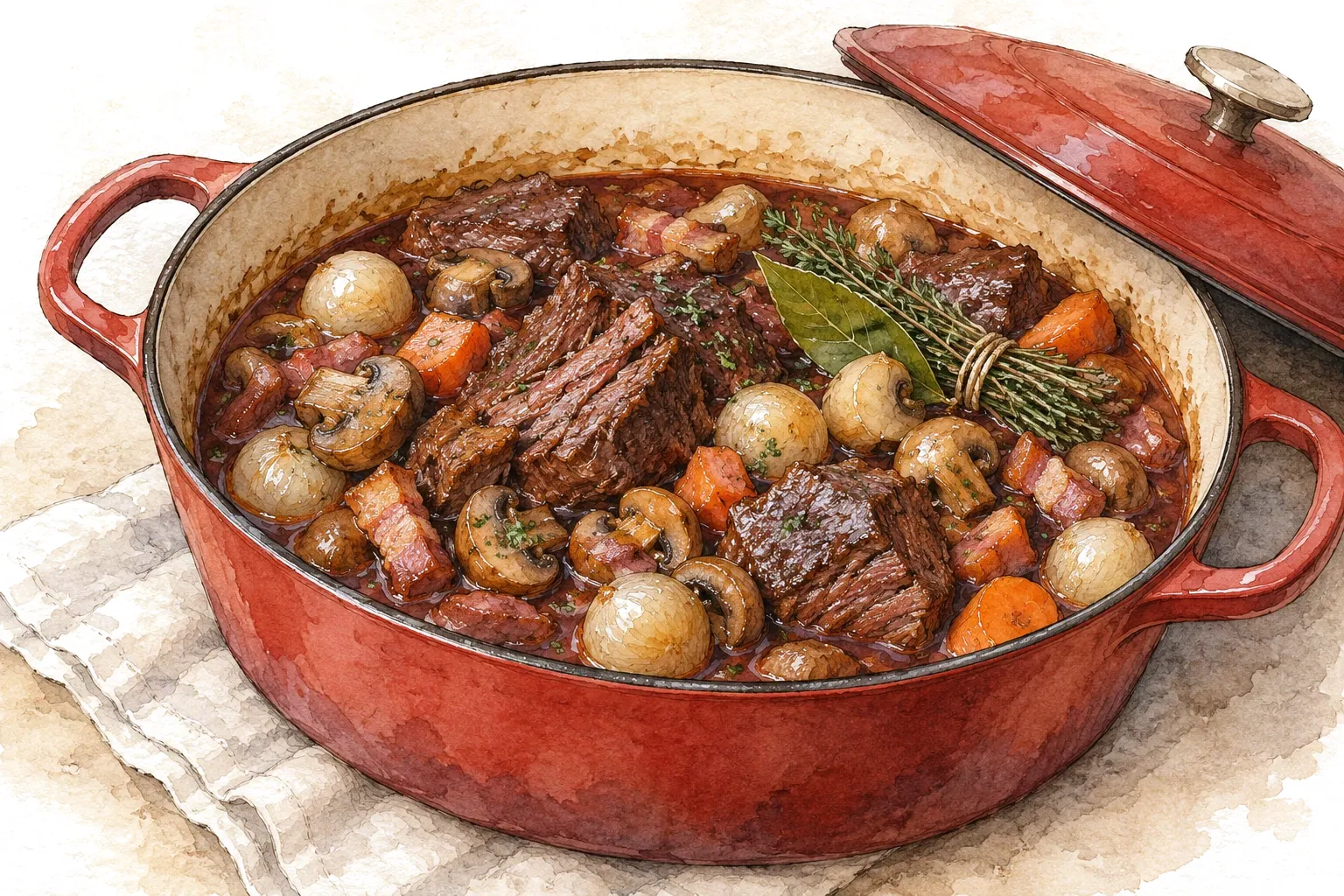 RecipeBœuf bourguignonDijon, France
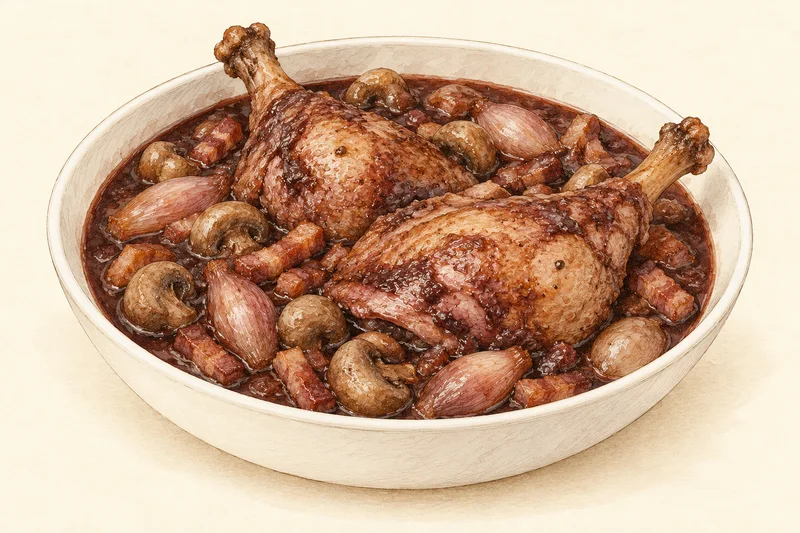 RecipeCoq au vinBurgundy, France
- Grape varietyChardonnay
- Grape varietyPoulsard
- Grape varietySavagnin blancFrance
- Grape varietyTrousseau