Wine · Wine region · Short entry
Ica
Ica, on Peru's southern desert coast, is the country's leading wine region, with more than half of national production according to ICEX's 2025 study. Its climate is hot and almost rainless, with 1.5 mm of rain a year at the Ica station. Ica also has the largest number of producers authorised to make Pisco, 238 of 526 in 2019, and Quebranta is the most produced grape in the valley.
Sixteenth-century wine and spirit
In 2024 Peru's national archive presented two previously unknown commercial manuscripts. One, of 1583, records the delivery of grape spirit in botijas at a winepress in the Ica region; the other, of 1587, concerns a dispute between Manuel de Asante and Jorge Capello that included a large quantity of grape spirit and wine. El Peruano reported them as evidence that grape spirit was made and traded in Peru in the 16th century. The coast of Ica lies within the Pisco denomination of origin recognised on 12 December 1990. Indecopi counted 238 authorised Pisco producers in Ica in 2019, more than in any other region.
A rainless coastal valley
Hatta Sakoda and Tonietto describe Ica's climate as hot and desert, with a moderate temperature range. From 1968 to 1987 the mean annual maximum was 29.0 °C and the mean minimum 12.2 °C, and rainfall averaged 1.5 mm a year. Mean annual evaporation was 1,533.8 mm (1963-1997), ranging from 1,154 to 1,970 mm, and mean relative humidity at Huamaní was 70% (1963-1980). Ica belongs to the semi-warm, very dry climate type of the Peruvian coast, in which the valleys become drier and less foggy away from the sea. The authors note that Peru's viticultural zones lack enough winter cold for the desired dormancy. No soil description for the valley was found in the sources read.
Hot days, temperate nights
In the CCM Geoviticulture system the study classes Ica as hot, with temperate nights and strong drought (IH+2, IF-1, IS+2), compared with warm nights at Cañete. It does not describe wine flavour. Indecopi attributes Pisco's characteristics to natural factors such as climate, soil and geography and to human factors in traditional methods, without a profile specific to Ica. Research on a particular Ica wine should separate its producer and method from accounts of grape-spirit production.
Wine and Pisco grapes
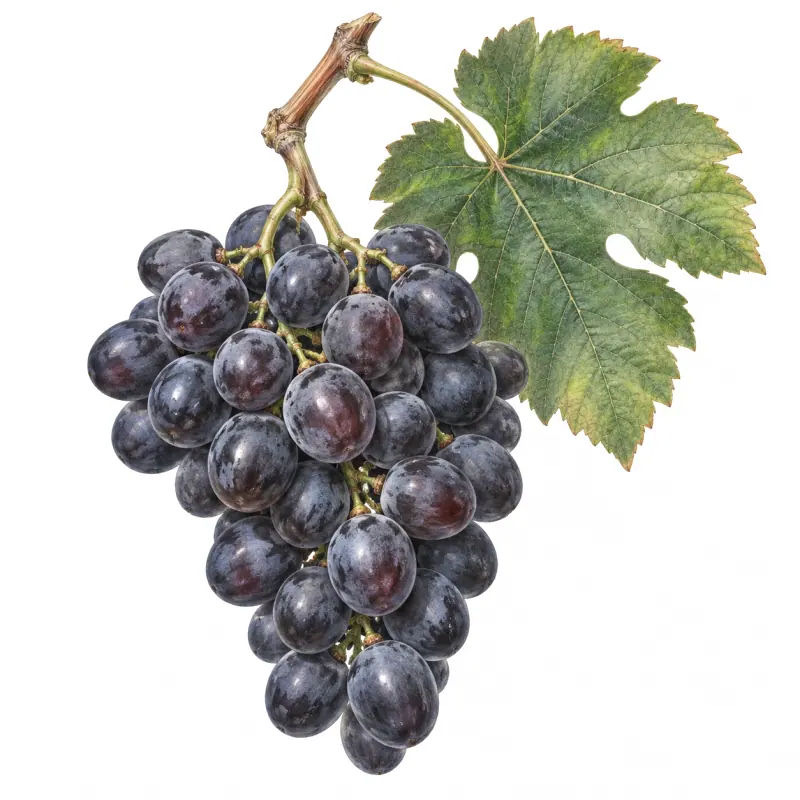
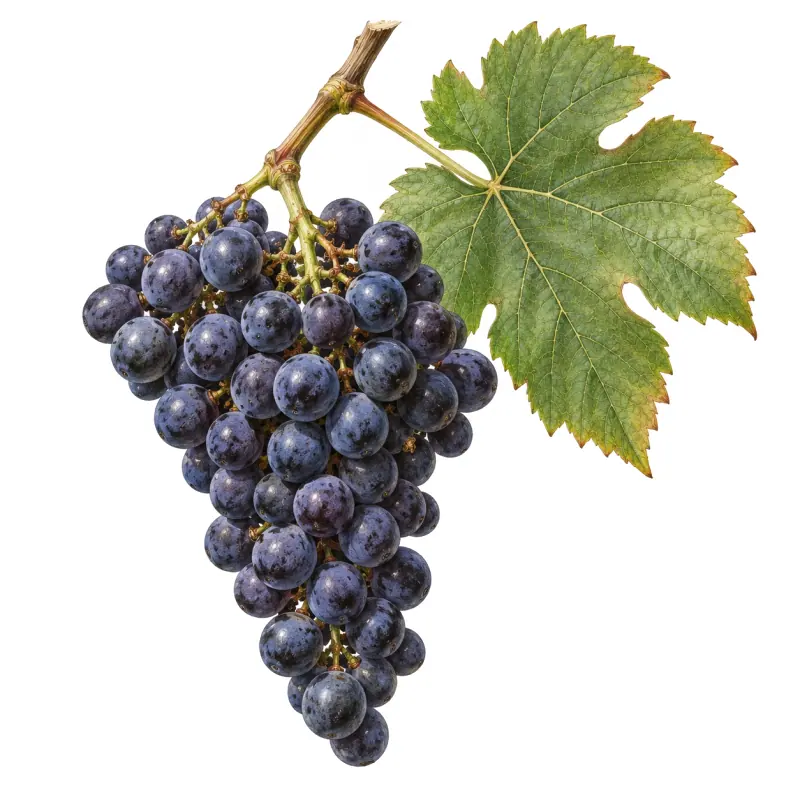
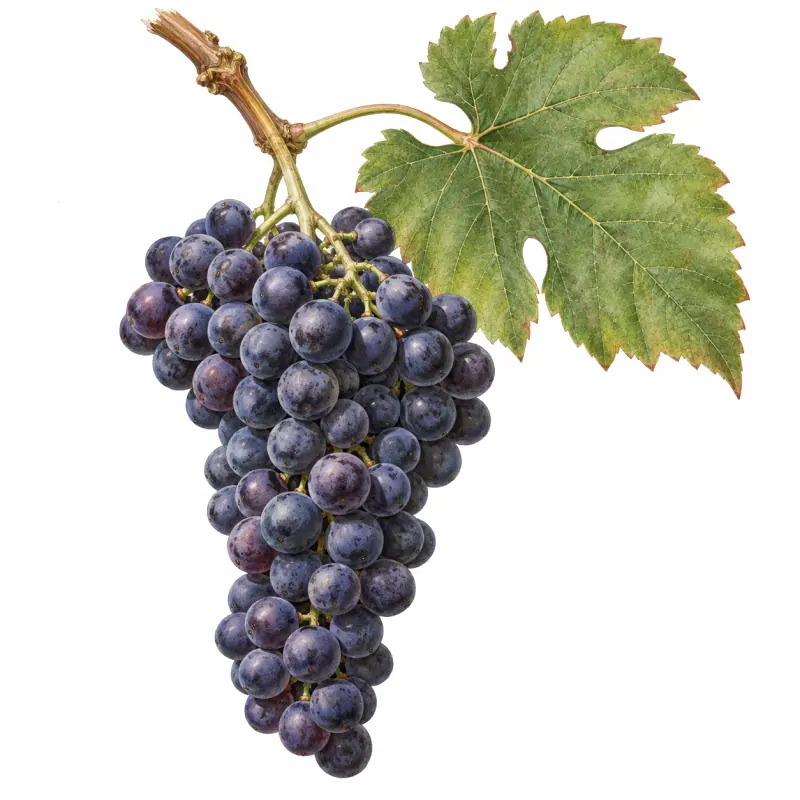
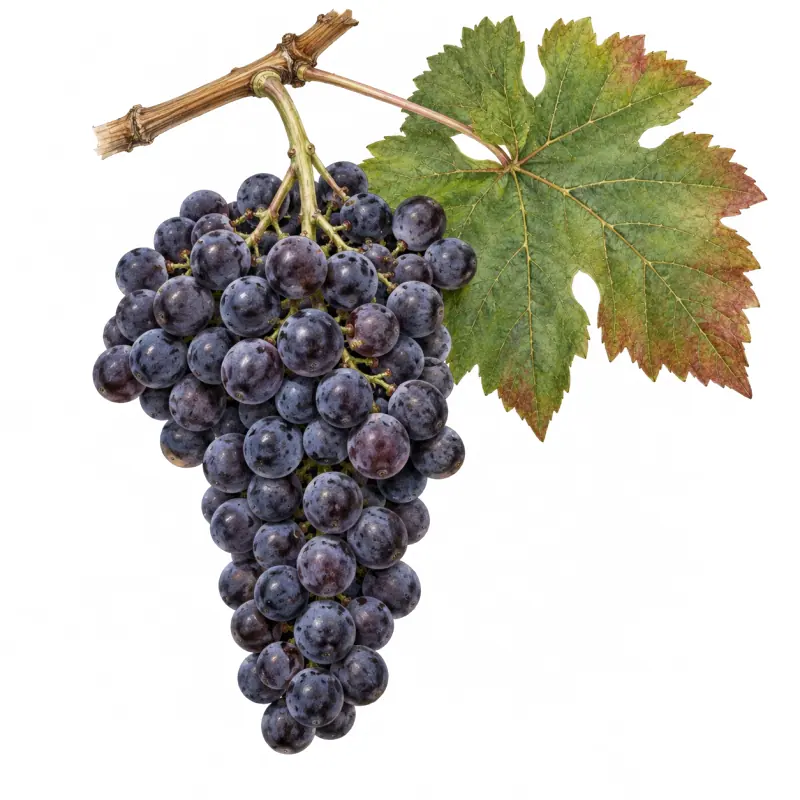
For wine, the 2012 study names Malbec, Merlot, Cabernet Sauvignon, Alicante Bouschet, Grenache, Barbera and Chenin Blanc as the main varieties in Ica. For Pisco it names Quebranta, the most produced in the valley, Italia, Albilla, and Torontel, the last only in the Ocucaje valley. Pisco from Ica follows the national DO rules: distillation of fresh musts of the eight pisco grapes, without additives, by authorised producers. Peru has no wine appellation, so wine from Ica carries no protected origin name. ICEX credits Ica with more than 50% of Peru's wine output.
Classification
- Denominación de Origen PiscoThe coast of Ica is within the Pisco production zone.
How it connects
Wine region
- in Peru
Grape variety
- grows Malbec
- grows Merlot
- grows Cabernet Sauvignon
- grows Alicante Bouschet