Wine · Wine region · Short entry
Uruguay
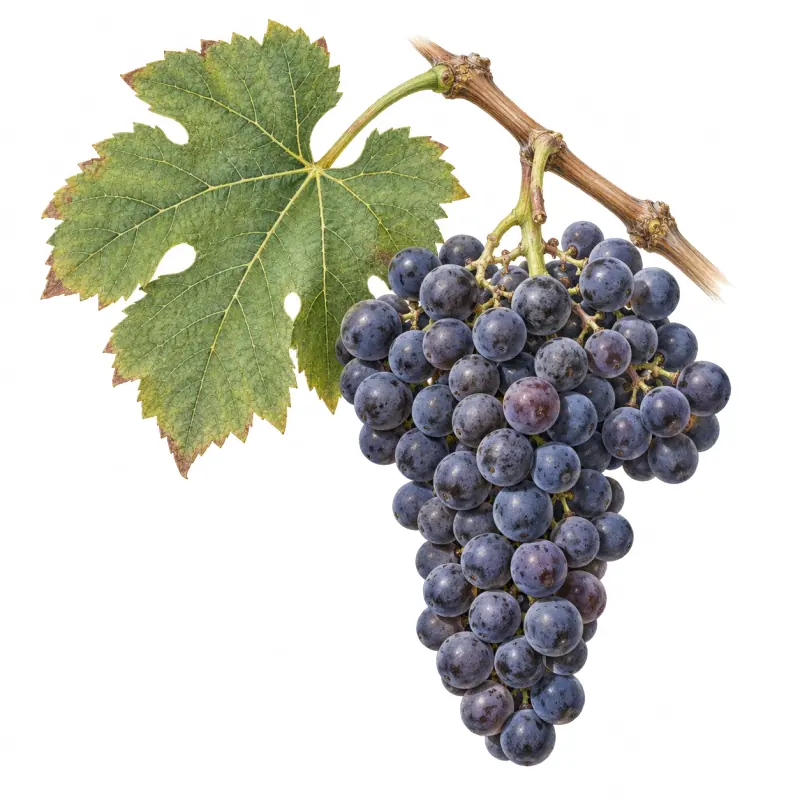
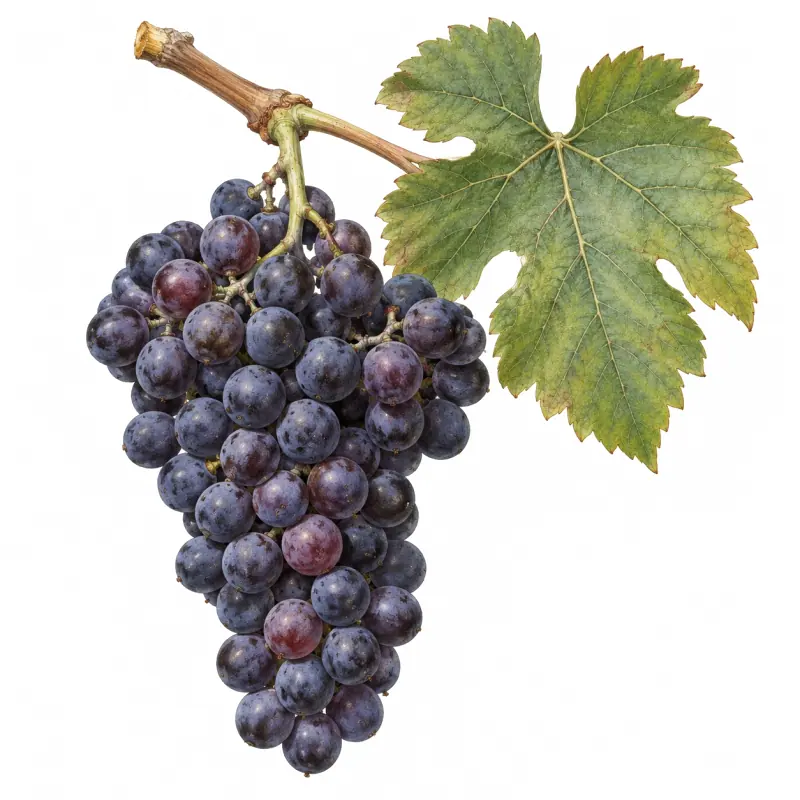
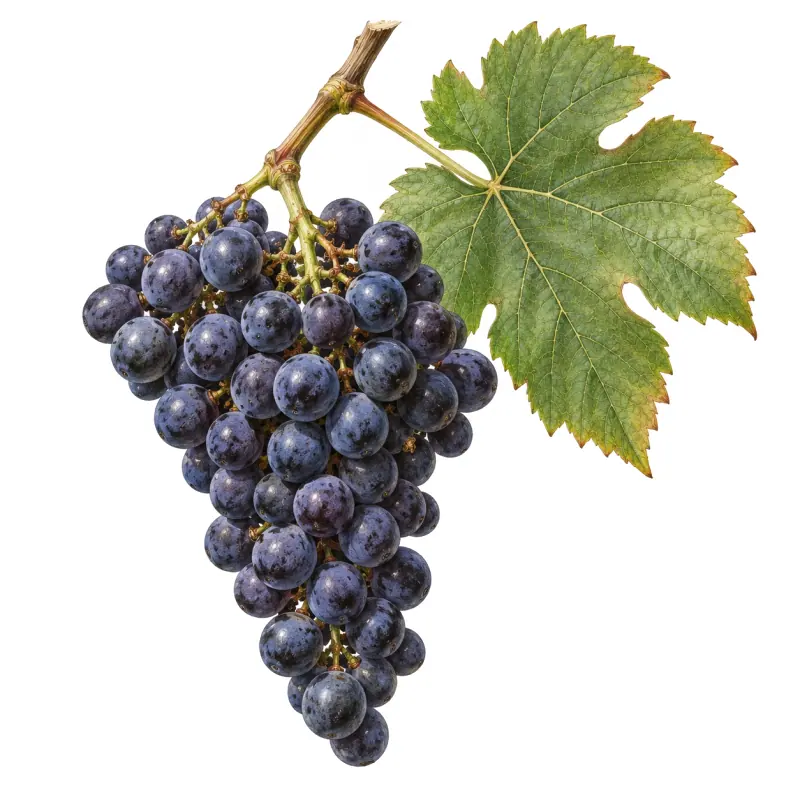
INAVI's 2025 vineyard register lists 1,048 vineyards covering 5,797 ha, worked by 676 businesses. Tannat, brought in the 1870s by the Basque-French settler Pascual Harriague, is the most planted variety, with 1,536 ha or 26.5% of the area. INAVI describes six wine regions, from the Uruguay river in the north-west to the Atlantic coast of Maldonado and Rocha.
Immigrants, Tannat and phylloxera
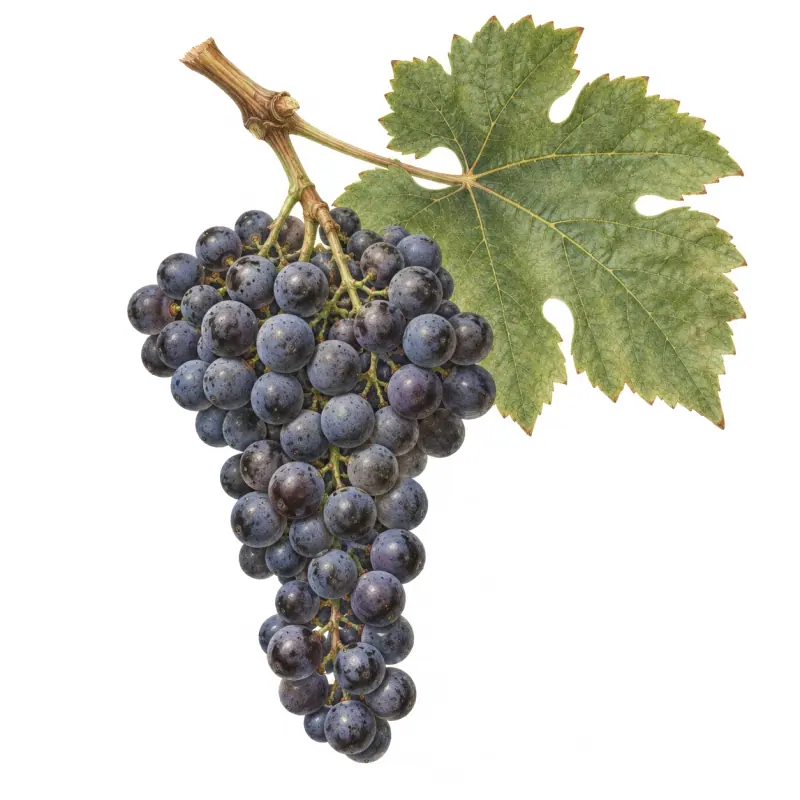
INAVI says wine came to Uruguay in the second half of the 19th century with immigrant families who brought their knowledge from the Mediterranean. Around 1870 two vineyards were set up: that of the Basque-French Pascual Harriague at San Antonio Chico in Salto, and the farm of the Catalan Francisco Vidiella at Colón in Montevideo. By 1878 Vidiella had adapted the first European variety to the climate, and Harriague followed with a variety he imported from Concordia. Another INAVI page says Tannat was brought from south-west France in 1870 by Harriague. Phylloxera reached the vineyards in 1898; the government ordered infected vines burnt and replaced with plants grafted on American rootstock, and grafted vines proved more productive. Law 2,856 of 1903 gave the state control of the wine trade. The law creating INAVI was promulgated on 10 November 1987, with its seat in Las Piedras, and the institute began work in January 1988. Decree 283/993 created the VCP category.
Rivers, the Río de la Plata and the Atlantic
INAVI groups the vineyards into six regions. The north-west, along the Uruguay river in Artigas, Paysandú and Salto, lies at 50-60 m, with high temperatures, a wide temperature range due to the river, humidity and deep soils on sandstone. The south-west (Colonia, Río Negro, Soriano) has silty-clay, silty-calcareous and sandy sediments and stony ground near the San Juan river, with mild conditions from the Uruguay and Paraná rivers. The south (Canelones, Montevideo, San José) holds most vineyards and production and is influenced by the Río de la Plata; rainfall makes irrigation unnecessary. The centre (Durazno, Florida, Lavalleja) is warmer and sunnier, with acid soils of medium to low fertility. The east (Maldonado, Rocha) is the zone of Atlantic influence, with higher ground, an oceanic climate, cooler temperatures and crystalline basement near Laguna Garzón that INAVI dates to 2,500 million years. The north (Rivera, Tacuarembó) has deep red sands and vineyards up to 220 m at Cerro Chapeu.
Clay, humidity and Atlantic breeze
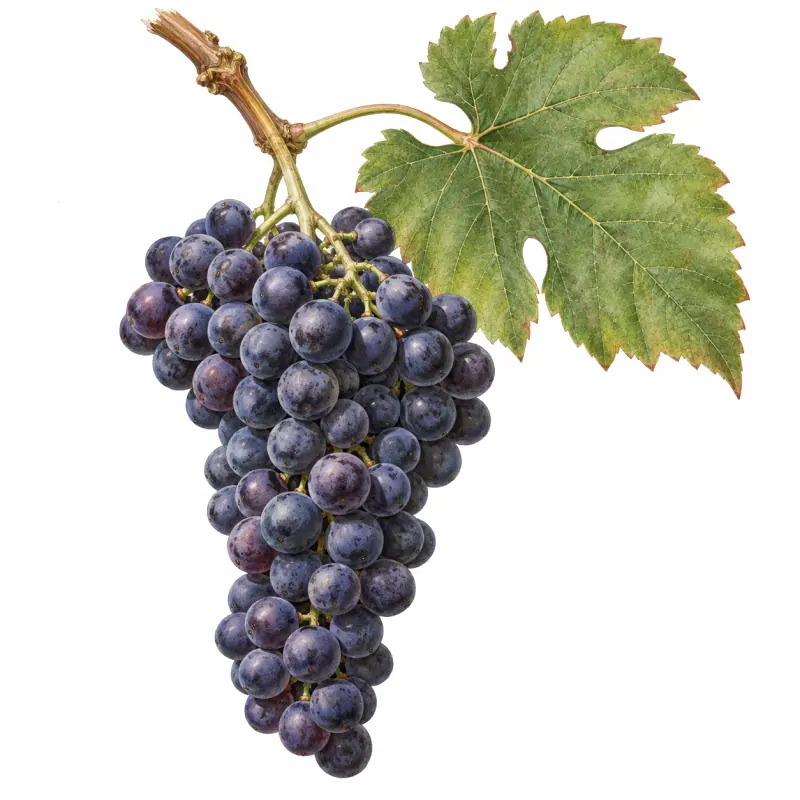
INAVI links Uruguay's best-known grape to its conditions: clay soils and the Atlantic breeze, it says, offer exceptional conditions for Tannat. In the north-west it attributes more flavour and aroma to the marked humidity, and describes Tannat from the thin, poorly fertile silty and sandy soils of the Daymán basin, where days reach 40 °C and nights 20 °C, as very soft and round. On the Atlantic coast it says the temperature range slows ripening; in the north it says the sandstone formations favour sugar, polyphenol and anthocyanin concentration, and that the drier, sunnier seasons near Rivera suit late-ripening varieties such as Cabernet Sauvignon.
VCP and the variety register
Decree 283/993 defines Vinos de Calidad Preferente as wines from vinifera varieties of recognised quality accepted by INAVI, which publishes the lists. They must meet all requirements for common wines plus their own: at least 10.5% alcohol, volatile acidity of at most 0.80 g/l, and total sulphur dioxide of at most 200 mg/l, or 300 mg/l above 4 g/l of sugar. They travel with a special 'Vino de Calidad Preferente' control slip. A geographical indication may appear on the label only if the grapes were grown in the zone named, with certification and registration with INAVI. The 2025 register ranks Tannat first (1,536 ha, 26.5%), then Moscatel de Hamburgo for wine (995 ha), Ugni Blanc (581 ha), Merlot (577 ha), Cabernet Sauvignon (322 ha), Marselan (218 ha), Cabernet Franc (204 ha) and Albariño (141 ha). INAVI's regions describe growing conditions; they are not protected appellations with production rules.
Classification
- Vino de Calidad Preferente (VCP)Wines from vinifera varieties accepted by INAVI, with minimum 10.5% alcohol and stricter analytical limits than common wine (Decree 283/993).
- Vino comúnThe base category whose requirements VCP wines must also meet.