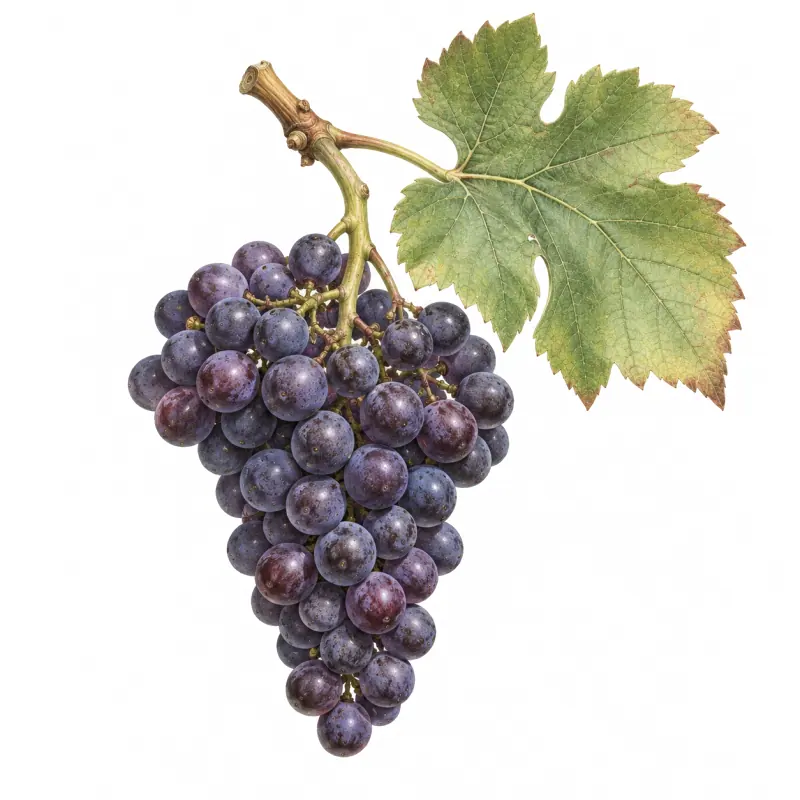
Wine · Wine region · Short entry
Texas
Texas
Texas has eight AVAs, among them the Texas High Plains around Lubbock, which grows over 80% of the state's wine grapes at about 910–1,220 m, and the Texas Hill Country west of Austin, one of the largest AVAs in the country. The Texas Wine and Grape Growers Association counts more than 700 winery permits. The association dates the first mission vineyard to the seventeenth century.
Mission vines and late AVAs
The Texas Wine and Grape Growers Association says Franciscan priests planted the first vineyard in North America in Texas, about 1662 on one of its pages and close to 1659 on another, and that settlers following the missions brought more cuttings through the nineteenth century. These are the association's claims; the opened pages give no primary evidence.
The state's AVAs date from the late 1980s and 1990s. TTB lists Mesilla Valley, shared with New Mexico, from 1985; Bell Mountain, the first wholly Texan AVA, from 10 October 1986; Fredericksburg in the Texas Hill Country from 1988; Texas Hill Country from 29 November 1991; Escondido Valley from 1992; Texas High Plains from 2 March 1993; Texas Davis Mountains from 1998; and Texoma from 2005. The association mentions T.V. Munson, who bred the Pierce's-disease-tolerant Lomanto in 1902.
High plains, limestone hills and granite
The association describes a sunny, dry climate in the main wine areas. The Texas High Plains, west of Lubbock in the Panhandle, lie at 3,000–4,000 ft (about 910–1,220 m) and are very dry. The Texas Davis Mountains in the far west range from 4,500 to 8,300 ft (about 1,370–2,530 m) and are cool and wet. Escondido Valley lies near Fort Stockton, and Texoma along the Oklahoma border.
TTB's 1991 rule describes the Texas Hill Country as low mountains, hills, canyons and valleys surrounded by flatter land, with generally calcareous soils from limestone, sandstone and granite; a 2026 proposed rule adds that it is drier and cooler than the region to the east, nearer the coast, and that vineyards rely on aquifers for irrigation. In its north the Llano Uplift, a dome of Precambrian granite and metamorphic rock, weathers to sandy, well-drained loams. Texas has 15 native grape species, according to the association.
Heat, dryness and disease pressure
The association compares the sunny, dry climate of the main regions with that of Portugal. Its variety list includes grapes it describes as suited to warm, dry conditions, such as Aglianico, Graciano and Grenache. It notes that Chenin Blanc does well in most of the state but is prone to bunch rot and Pierce's disease, and that disease-tolerant cultivars such as Lomanto are grown. The 2026 proposed rule for the Llano Uplift records that the petitioners see lower summer rainfall as an advantage, reducing fungal disease and excess water in the fruit, and that granite soils differ from the alkaline, calcium-rich limestone soils around them.
Eight AVAs and the 85% rule
The association counts eight AVAs and notes that many vineyards lie outside them. For an AVA on the label at least 85% of the wine must come from grapes grown there; a "Texas" label follows the federal 75% state rule. The Texas Hill Country AVA covers over 9 million acres (about 3.6 million ha) and contains Bell Mountain and Fredericksburg in the Texas Hill Country. The Texas High Plains AVA covers over 8 million acres. In 2026 TTB proposed two further AVAs inside the Hill Country, Llano Uplift and Hickory Sands District.
The association's figures for vineyard area conflict: more than 14,000 vineyard acres on one page, about 4,500 acres of producing vineyard on another.
How it connects
Wine region
Recipe
- pairs with Bowl of Texas red
Continue exploring
- CountryUnited States of America33 entries in the atlas so far
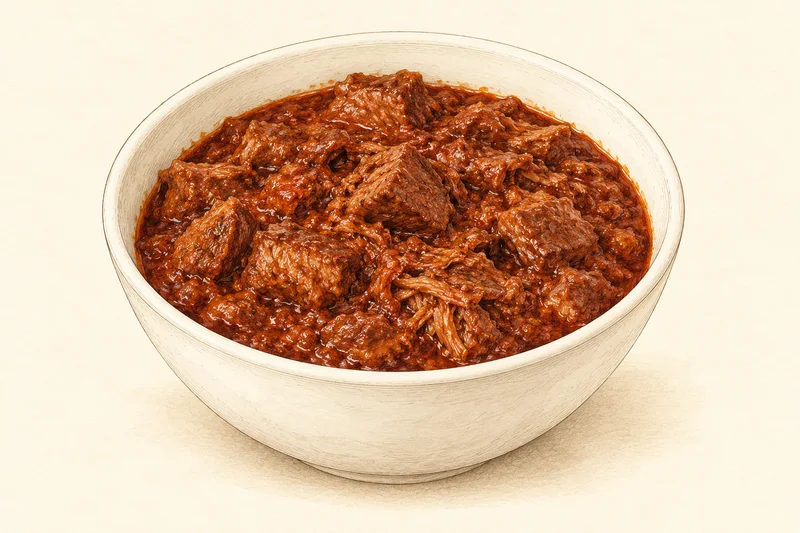 RecipeBowl of Texas redTexas, United States of America
- Wine regionUnited StatesUnited States of America
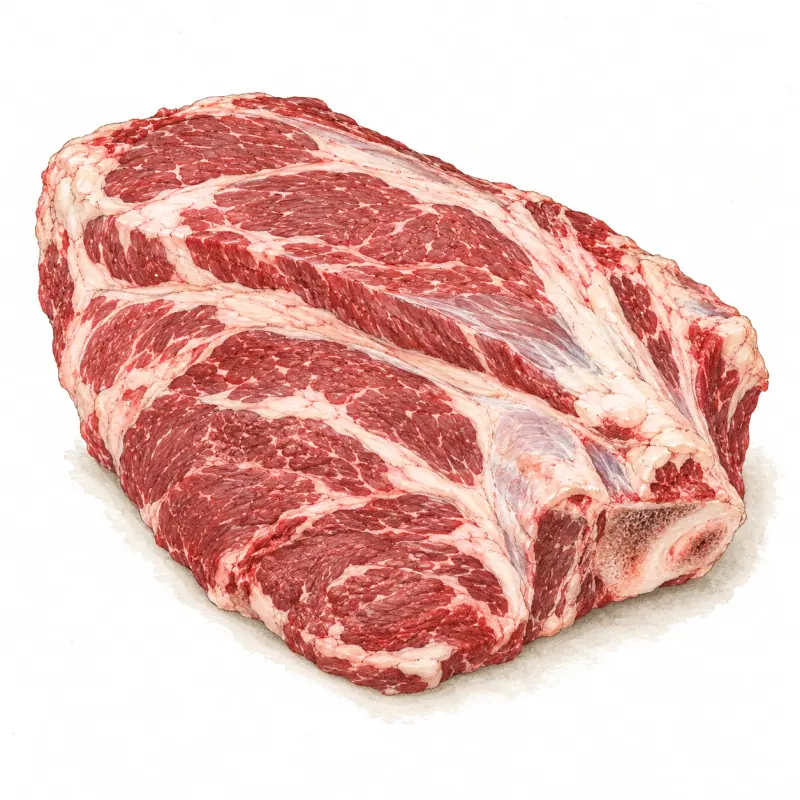 CutChuck (US)
- Wine regionCaliforniaUnited States of America
- Wine regionNew YorkUnited States of America
- Wine regionOregonUnited States of America
- Wine regionVirginiaUnited States of America
- Wine regionWashington StateUnited States of America