
Wine · Wine region · Short entry
Sancerre
Sancerre
Sancerre is an appellation of 14 communes in the Cher, on steep hills on the left bank of the Loire. White Sancerre is Sauvignon Blanc only; reds and rosés are Pinot Noir only. Kimmeridgian marls (terres blanches), limestone (caillottes) and flint soils (silex) are its three recognised soil types.
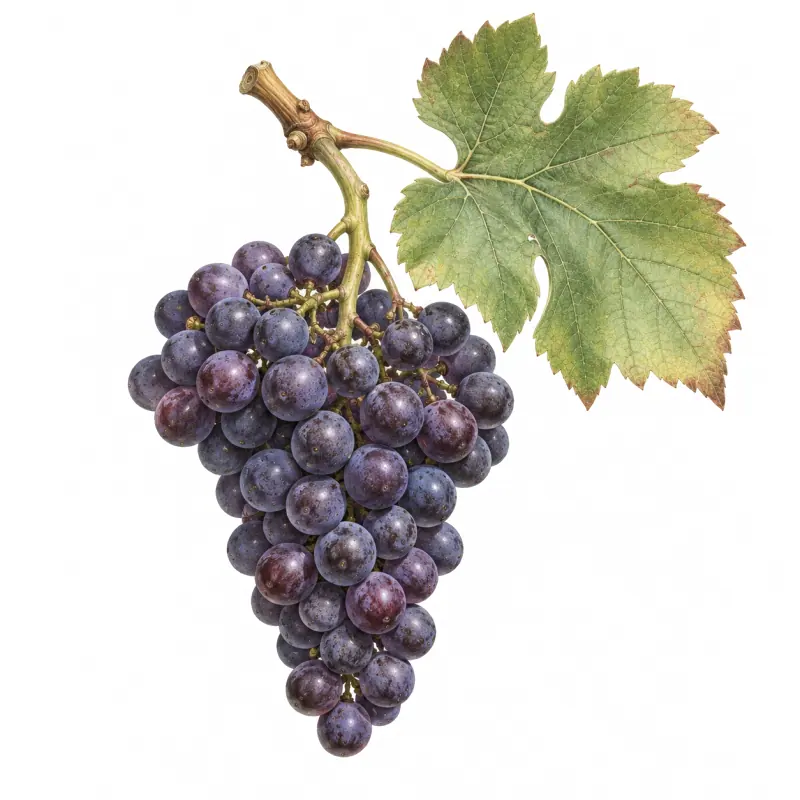
White fame after a red-wine past
Gregory of Tours mentioned the abundance of Sancerre wines in the sixth century, and in the eleventh Raoul Tortaire, a monk of Saint-Benoît-sur-Loire, wrote that the area "overflows with wine". The wine council records that religious communities and the counts of Sancerre expanded the vineyard in the Middle Ages and that Pinot-based reds made its early name. Renaissance writings describe exports to Flanders and England from the river port of Saint-Thibault, and in 1777 the Abbé Poupard described growers sending wine to England and Scotland.
After phylloxera, growers replanted with Sauvignon Blanc for whites and Pinot Noir for reds and rosés. The Union Viticole Sancerroise was formed in 1921, and a judgment of 20 July 1931 restricted the name to wines from those two grapes grown in the zone's communes. The AOC dates from the decree of 14 November 1936; the wine council gives 1959 for the recognition of reds and rosés.
Three familiar soil names
On the south-eastern edge of the Paris Basin, the zone is a succession of hills rising to 200–400 m on the left bank of the Loire, with curved slopes of many exposures. Vines grow at 180 to 350 m, on slopes that exceed 50% in places. North-south faults, an after-effect of the Alpine uplift, form a small rift used by the Loire; the Sancerre and Thauvenay faults cross the vineyard and bring Cretaceous and Eocene rocks against Jurassic formations. Erosion produced three soil types: Kimmeridgian marls called terres blanches, on the steepest slopes, full of small comma-shaped Ostrea virgula shells; limestone soils called caillottes or cris, from the Oxfordian and Portlandian; and clay-flint soils called chailloux or silex.
The climate is degraded oceanic. The Pays Fort to the west, rising to 435 m, creates a foehn effect: about 650 mm of rain against more than 750 mm on its hills. The Loire drains cold air from the side valleys.
What each soil gives
The specification credits a sheltered, degraded oceanic climate, the Loire's moderating effect and steep slopes with steady ripening of two early-ripening grapes, Sauvignon Blanc and Pinot Noir. Only shallow, often steep soils are delimited, which call for high planting density and strict pruning. The wines are still and dry, round, with a fresh, balanced finish. Whites, often pale gold, range from citrus and exotic fruit to white flowers; rosés are delicate and fruity; reds show red fruit and supple, elegant tannins. It distinguishes elegant wines with red fruit and white flowers from caillottes, powerful wines from terres blanches, and wines with white- and yellow-flower nuances from silex. A soil name alone does not describe a whole wine.
An appellation, not a grape
Sancerre is reserved for still white, red and rosé wines. Whites come from Sauvignon Blanc alone, reds and rosés from Pinot Noir alone; Sancerre names an appellation, not a grape or an exclusively white wine. Base yields are 65 hl/ha for whites, 63 for rosés and 59 for reds. The communes are Bannay, Bué, Crézancy-en-Sancerre, Menetou-Râtel, Ménétréol-sous-Sancerre, Montigny, Saint-Satur, Sainte-Gemme-en-Sancerrois, Sancerre, Sury-en-Vaux, Thauvenay, Veaugues, Verdigny and Vinon. In 2009 about 2,800 ha produced 150,000 hl, more than half of it sold outside France.
How it connects
Wine region
- in Loire Valley
Grape variety
- grows Sauvignon Blanc
- grows Pinot Noir
Continue exploring
- CountryFrance162 entries in the atlas so far
- Grape varietyPinot Noir
 RecipeBaeckeoffeAlsace, France
 RecipeBœuf bourguignonDijon, France
 RecipeCoq au vinBurgundy, France
- Grape varietySauvignon BlancFrance
- Wine regionLoire ValleyNantes, France
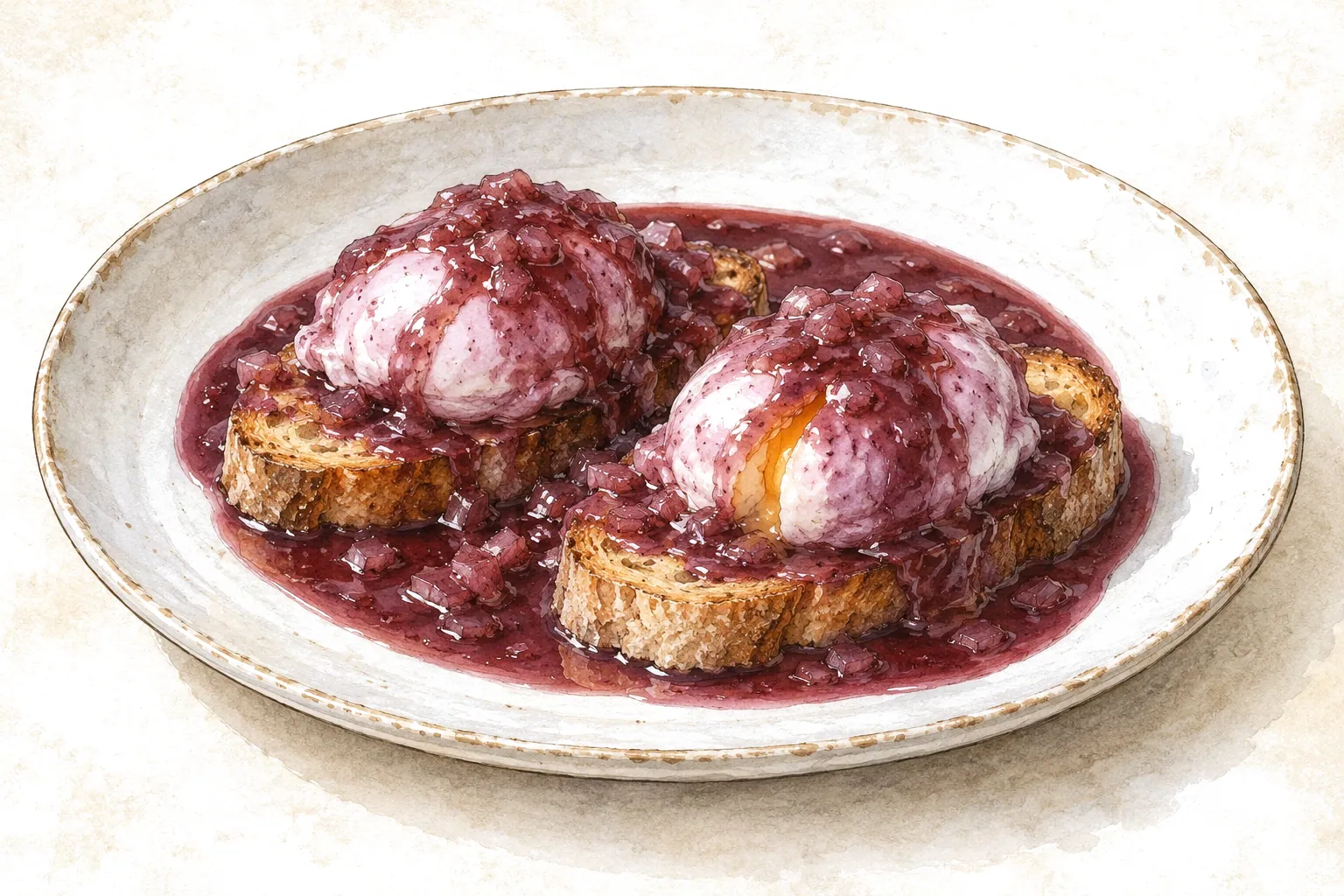 RecipeŒufs en meuretteBurgundy, France
 StoryThe Cistercians and the Clos de VougeotVougeot, France
 StoryDid Dom Pérignon invent Champagne?Hautvillers, France