
Wine · Wine region · Short entry
Quarts de Chaume Grand Cru
Quarts de Chaume Grand Cru
Quarts de Chaume is a sweet Chenin appellation of about 40 ha at Rochefort-sur-Loire, on a south-facing slope in a meander of the Layon. Its name recalls the "best quarters" of the harvest once paid as rent to the nuns of Le Ronceray. The name may be completed by "grand cru", and grapes must reach at least 298 g/l of sugar.
The best quarters of the harvest
The specification says the name comes from an old custom. In 1028 Foulques Nerra left an estate at Rochefort-sur-Loire to the abbey of Le Ronceray in Angers. In the fifteenth century the lords of La Guerche, who rented the "tènement de Chaume", paid the nuns with "the best quarters of the harvest hanging on the south-facing side". The abbey kept records for centuries, among them a summons of 23 September 1674 fixing the start of the harvest, and in the 1690s the parish priest claimed his due in Chaume wine. Dutch brokers sought the wines in the seventeenth and eighteenth centuries, using the navigable Layon.
After the Revolution the vineyard was divided among a few estates. Early in the twentieth century a grower at Château de Bellerive campaigned against long pruning of Chenin. Guthrie's geography, translated in 1802, named the "cru des Quarts de Chaume", and the AOC decree is dated 10 August 1954.
A particular corner of the Layon
The zone lies entirely in Rochefort-sur-Loire, crossed by a steep east-west slope above the Layon. The delimited parcels, about 40 ha, face south at the foot of this slope between 25 and 75 m, on its last slopes in a meander of the river. They rest mainly on Brioverian schist, unusual here because this formation is typical of the Layon's left bank and appears only in a few places on the right. Eroded puddingstone appears on the upper part. The soils are heavily eroded, often leaving bare rock, and vines usually stand in a very thin clay soil with very little water reserve and excellent drainage. InterLoire also lists volcanic rock in the underlying formations.
The climate is a nuanced oceanic one: a foehn effect from the Mauges keeps rain to about 600 mm, against 800 mm on the Mauges. The small Bézigon valley fills with morning mist in autumn, and the site is sheltered from north, east and west winds.
Mist, sun and noble rot
The specification attributes the site's quality to a southern nuance in the oceanic climate, its position at the foot of the slope and shallow, stony soils from eroded Brioverian schist. Autumn mists leave droplets on ripe grapes and favour Botrytis cinerea, which spreads in the sun, concentrating sugar and aroma; in drier years wind and heat shrivel the grapes instead. The wines are sweet whites from Chenin alone, powerful yet delicate, with great aromatic complexity and a balance of sweetness and nervous acidity, often with a touch of bitterness. They age remarkably. InterLoire mentions candied fruit and honey.
Concentrated Chenin
Quarts de Chaume is reserved for still white wine from Chenin only, and the name may be completed by the mention "grand cru". Grapes are picked by hand in successive passes within each parcel and must reach at least 298 g/l of sugar. The base yield is 20 hl/ha, finished wines keep more than 85 g/l of sugar, and enrichment is banned, as are pieces of wood and cold treatment of the harvest below -5 °C. Maisonneuve called the wines "the pearls of the Layon" in 1925.
The grand cru wording belongs to this appellation within the Loire. It does not create an equivalence with Burgundy's or Alsace's grands crus.
How it connects
Wine region
- in Loire Valley
- related Coteaux du Layon
Grape variety
- grows Chenin
Continue exploring
- CountryFrance162 entries in the atlas so far
- Grape varietyCheninFrance
- Wine regionCoteaux du LayonBeaulieu-sur-Layon, France
- Wine regionLoire ValleyNantes, France
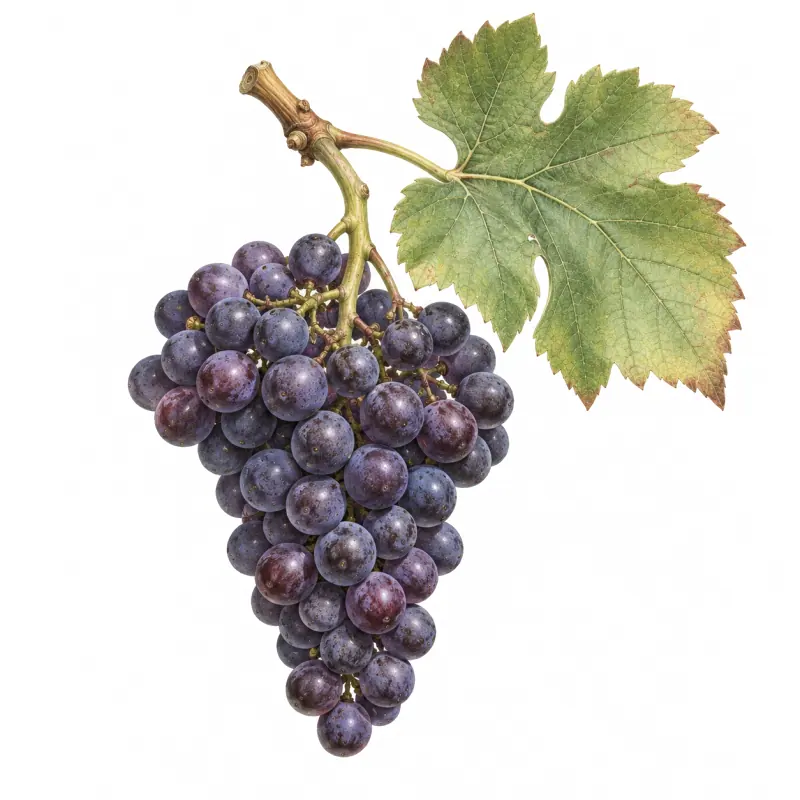 Grape varietyPinot Noir
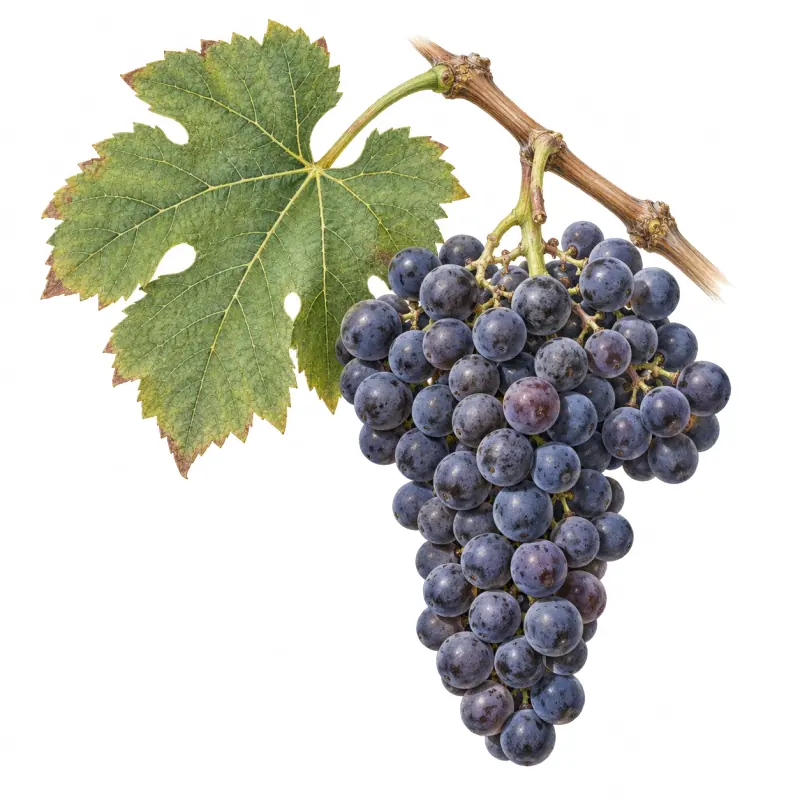 Grape varietyCabernet Franc
- Grape varietyCabernet Sauvignon
- Grape varietyColombardFrance
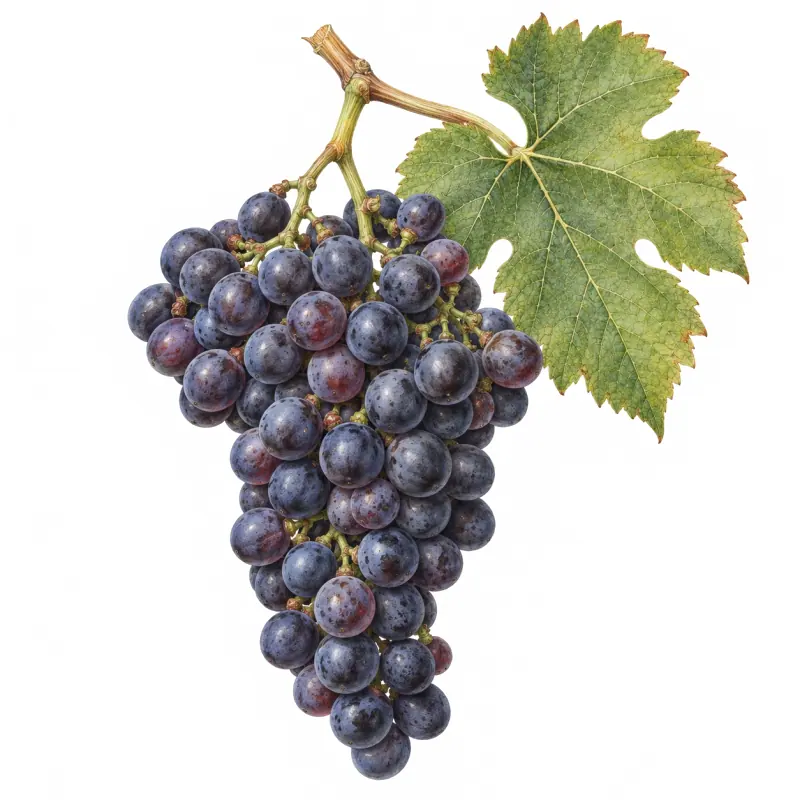 Grape varietyGrolleau
- Grape varietyMelonFrance