Wine · Wine region · Short entry
Niagara Peninsula
Niagara Peninsula
Niagara Peninsula is Ontario's largest appellation and the largest planted viticultural area in Canada, with about 13,600 acres (5,500 ha) between Lake Ontario, the Niagara River and the Niagara Escarpment. It has three regional appellations and ten sub-appellations. Lake breezes and the escarpment moderate temperatures, and Riesling, Chardonnay, Cabernet Franc and Pinot Noir are among its main grapes.

Growers, VQA and sub-appellations
Niagara's growers belong to the Grape Growers of Ontario, founded in 1947 as the Ontario Grape Growers' Marketing Board to bargain with processors for a single minimum price; the board now represents growers in Niagara Peninsula, Lake Erie North Shore and Prince Edward County. A group of Ontario wineries created the VQA framework in 1988, and the Vintners Quality Alliance Act, 1999, proclaimed on 29 June 2000, gave the appellation legal standing.
Since then the appellation has been divided by place. VQA Ontario now lists three regional appellations, Niagara Escarpment, Niagara-on-the-Lake and West Niagara, and ten sub-appellations defined by slope, elevation and distance from the lake. The peninsula is home to about 55% of Ontario's VQA wineries.
Lake Iroquois Plain, escarpment and clay plain
VQA Ontario describes the appellation as bordered by Lake Ontario to the north, the Niagara River to the east and the Welland River and Hamilton to the south and west. It divides it into three physiographic areas: the Lake Iroquois Plain, the Niagara Escarpment and the Haldimand Clay Plain. The north-facing escarpment, rising to about 177 m above sea level, gives the slopes and elevations that separate the sub-appellations.
Several glacial and interglacial events over the last 200,000 years eroded the sedimentary rock and ancient reefs of the escarpment and left complex soils between it and the lake, where thick clays are permeated with silts and sands. Lake Ontario, one of the deepest Great Lakes, moderates temperatures all year. In autumn breezes off the warm lake keep cold air from settling and extend the season; in spring the cold lake holds back budbreak until frost danger has passed.
Lake effect and flavour
VQA Ontario attributes the appellation's character to its latitude of about 43° N, relatively large day-night temperature shifts and strong sunshine in the growing season, which it says give more complex and intense flavours than warmer climates. It notes that the lake effects vary with distance from the shore and with topography, so that grapes from lakeshore sub-appellations taste noticeably different from those grown farther inland. Variation in soil composition and drainage is also said to give each sub-appellation its own character through root and vine development.
Regional and sub-appellations
Niagara Peninsula is a VQA appellation. A wine labelled "VQA Niagara Peninsula" needs more than 85% of its grapes from Niagara, with up to 15% from elsewhere in Ontario; a sub-appellation such as Four Mile Creek needs 100%. The regional appellations are Niagara Escarpment, Niagara-on-the-Lake and West Niagara. The sub-appellations are Beamsville Bench, Creek Shores, Four Mile Creek, Lincoln Lakeshore, Niagara Lakeshore, Niagara River, Short Hills Bench, St. David's Bench, Twenty Mile Bench and Vinemount Ridge.
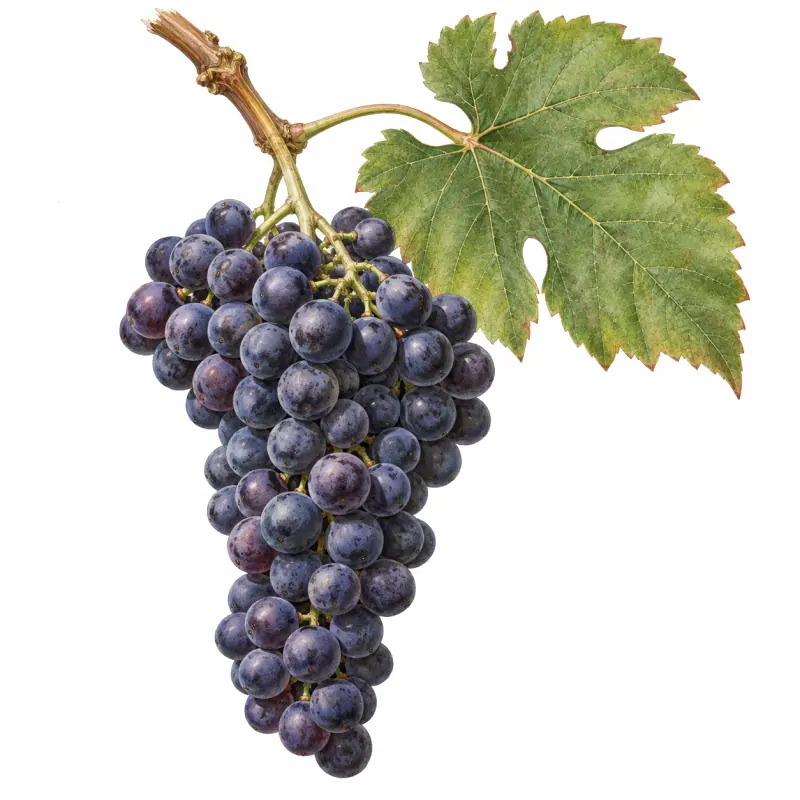
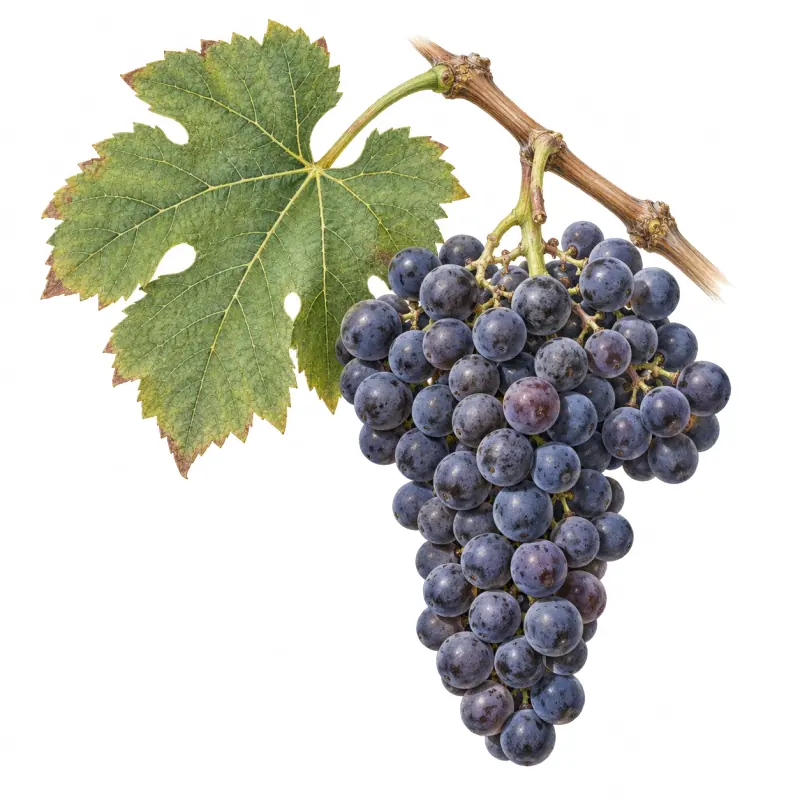
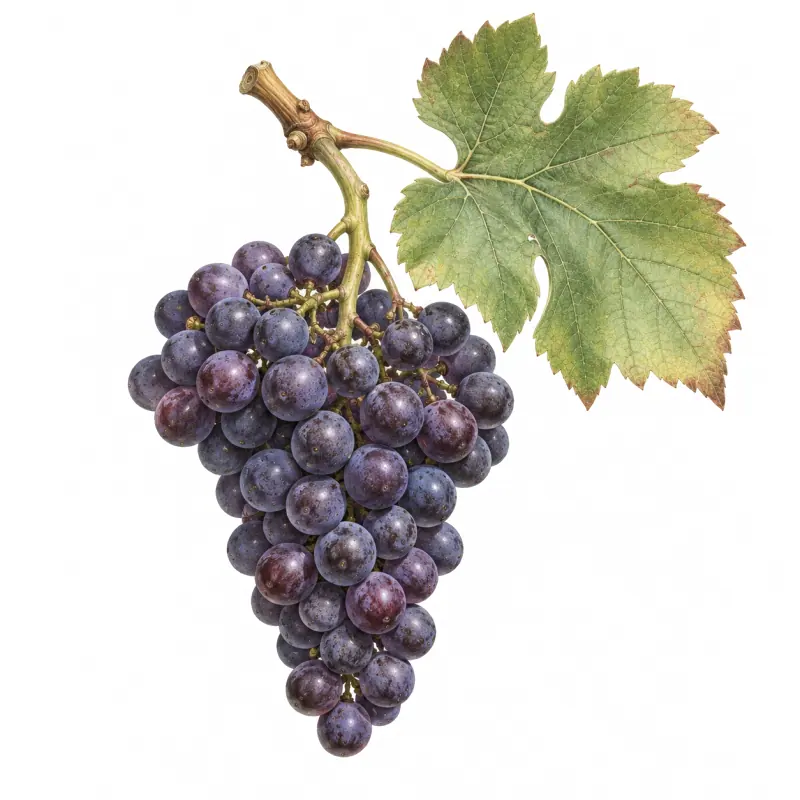
More than 46 varieties are grown. VQA Ontario lists Chardonnay, Riesling, Cabernet Franc, Cabernet Sauvignon, Merlot and Pinot Noir as common, and names Gamay Noir among the cool-climate varieties that do well. Icewine must be picked below −8 °C at 35 °Brix or more and must name its viticultural area.
How it connects
Wine region
- in Ontario
Grape variety
- grows Chardonnay
- grows Cabernet Franc
- grows Pinot Noir
- grows Merlot
- grows Cabernet Sauvignon