
Wine · Wine region · Short entry
Lambrusco di Sorbara
A DOC for sparkling and semi-sparkling red and rosé wine from the plain north of Modena, made mainly from the Lambrusco di Sorbara grape, which needs other Lambrusco vines nearby to set fruit. It is one of several Lambrusco DOC in the province of Modena.
From wild vines to a named wine
Cato, Varro and Pliny wrote of the vitis labrusca, a wild vine. Around 1300 Pier de' Crescenzi noted that black "labrusche" grapes coloured and cleared wine, which the production rules read as the first evidence of wine made from them. The rules consider Lambrusco a domesticated descendant of the wild vine of the Modena area. In June 1430 Niccolò III d'Este halved the duty on wine carried from Modena, to help its trade.
The name Lambrusco di Sorbara is documented in the nineteenth century: an essay on the wine in the Gazzetta di Modena of 11 June 1862, a catalogue of Modena and Reggio grape varieties in 1867, and Enrico Ramazzini's study of the Sorbara and Salamino Lambruscos in 1885. In 1860 the first cellar making frizzante Lambrusco in Emilia opened at Modena; from the mid-1800s to the mid-1900s the wine was mostly refermented in bottle and sold cloudy. The DOC was approved by presidential decree of 1 May 1970.
The plain north of Modena
The zone covers the whole of Bastiglia, Bomporto, Nonantola, Ravarino and San Prospero, and parts of Campogalliano, Camposanto, Carpi, Castelfranco Emilia, Modena, Soliera and San Cesario sul Panaro. The plain at the foot of the Apennines has a continental climate with hot summers and cold winters. Southern winds arrive dry, so rain is lower than elsewhere on the Emilian plain, especially in summer, and covers at most half the crops' needs; it peaks dangerously in spring and autumn.
The plain is Pleistocene and Holocene alluvium, almost free of stones. In the middle plain, where Sorbara is grown, the Sant'Omobono silty clay loams of the Secchia and Panaro levees dominate; much of the rest is compact clay of reclaimed valleys. Drainage canals, flood defences and organic soil improvers have kept these hard soils fertile. Heat summation is 1900-2000 degree-days with about 450 mm of rain from April to October, and vines grow vigorously.
Light, acid and floral
The rules say the grapes from the Sant'Omobono soils of the middle plain give red wines of more or less intense ruby, light in structure, with medium-high acidity, modest alcohol and clear floral and fruity scents; their freshness and fragrance give the wine its balance. They advise serving it at 12-14 °C to catch its scents. The rules name soil as the main environmental factor in the vine's balance and the wine's quality.
A grape that needs a partner
The Lambrusco di Sorbara vine has female flowers with sterile pollen and suffers poor fruit set, so the rules require other Lambrusco vines in the vineyard: at least 60% Lambrusco di Sorbara, 25-40% Lambrusco Salamino, and up to 15% other traditional Lambruscos. Vines are trained on permanent cordons with hanging shoots, such as the free cordon or GDC, at 2,500-3,000 per hectare. Only frizzante and spumante wines, red or rosé, are allowed, made by natural refermentation in bottle or in pressure tank. The rules count 1,662 ha registered for the DOC.
Classification
- Lambrusco di Sorbara DOCAt least 60% Lambrusco di Sorbara, 25-40% Lambrusco Salamino; other Lambrusco varieties up to 15%. Sparkling and semi-sparkling wines only. DOC 1970.
How it connects
Wine region
Recipe
- pairs with Lasagne verdi alla bolognese
- pairs with Tortellini in brodo
Continue exploring
- CountryItaly107 entries in the atlas so far
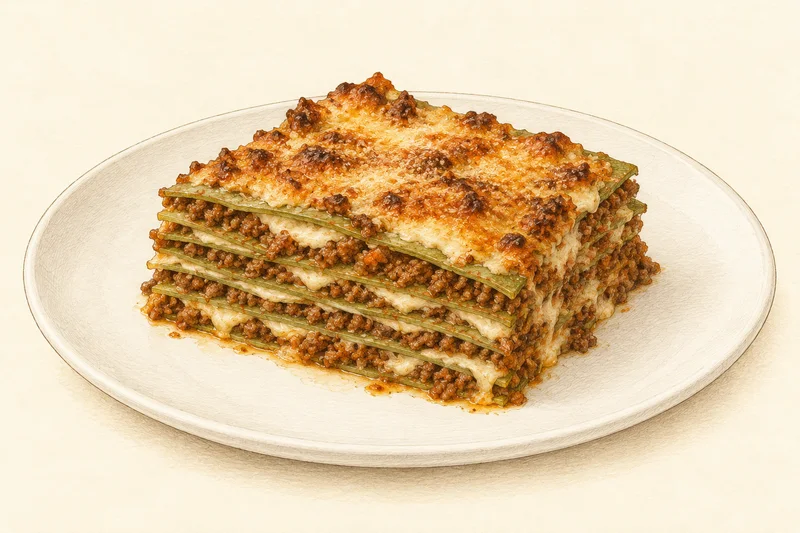 RecipeLasagne verdi alla bologneseBologna, Italy
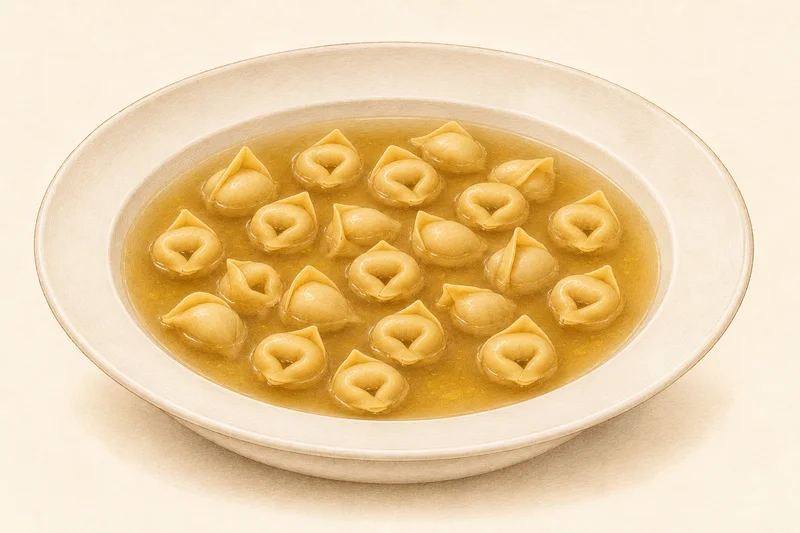 RecipeTortellini in brodoBologna, Italy
- Wine regionEmilia-RomagnaBologna, Italy
 RecipeRagù alla bologneseBologna, Italy
 RecipeRavioli di ricotta e spinaciItaly
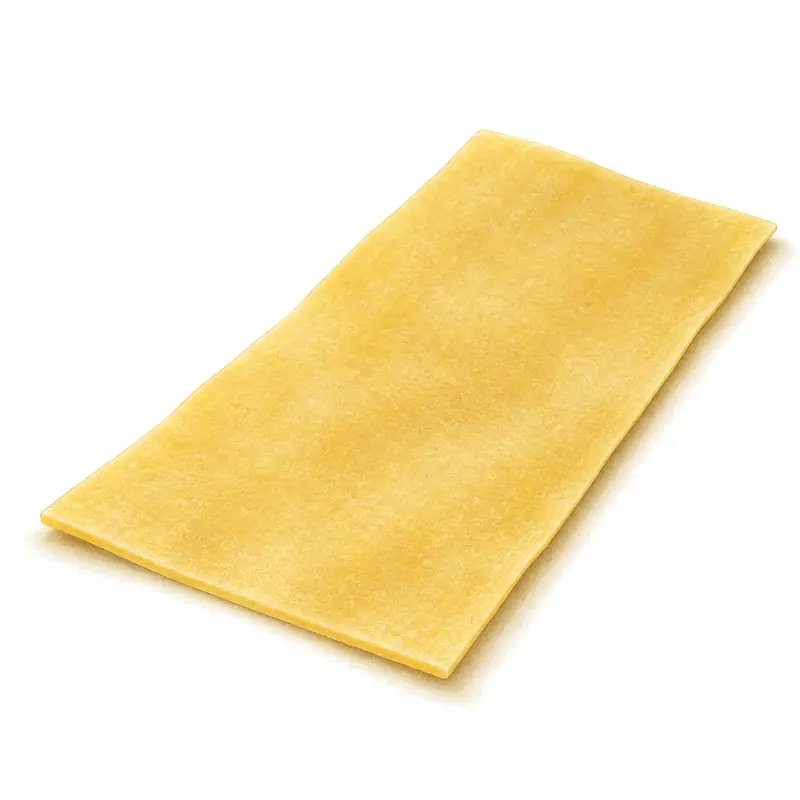 Pasta shapeLasagne
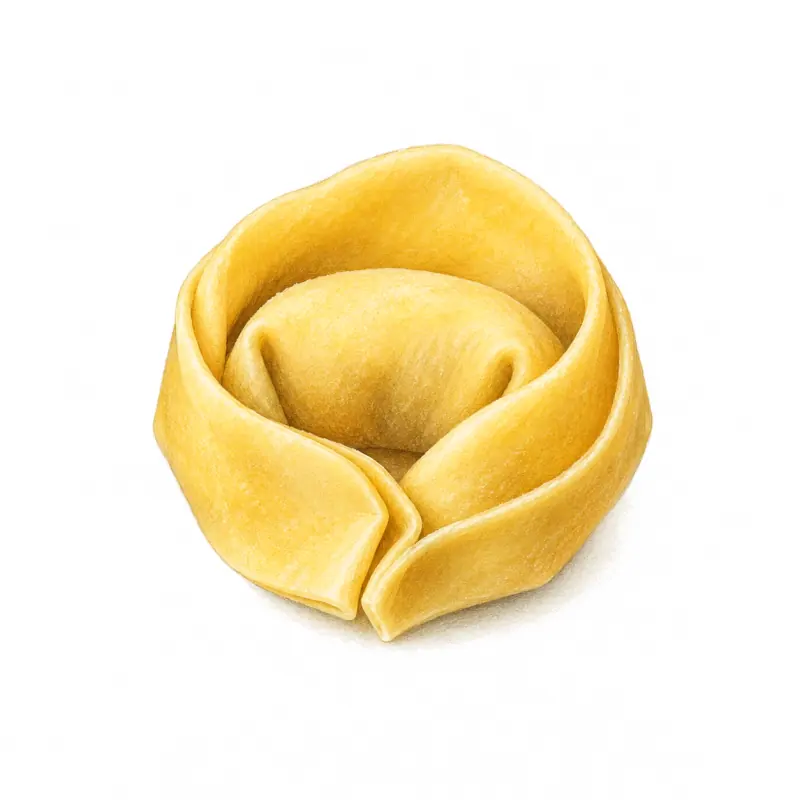 Pasta shapeTortellini
- Grape varietyAlbana
- Grape varietyTrebbiano Romagnolo