
Wine · Wine region · Short entry
India
India grows grapes in three agro-climatic zones, and an ICAR review found most of the crop eaten fresh or dried; the OIV put the national vineyard, all uses included, at 185,000 ha in 2024. Wine production is concentrated in Maharashtra, which APEDA calls the leading wine-manufacturing state. India's registered wine GI, Nashik Valley Wine, was certified in 2010.
Ancient grapes, modern wine
A review by the Director of ICAR's National Research Centre for Grapes, published by the FAO, notes that ancient Indian medical treatises mention the medicinal properties of grapes and that Kautilya's Arthashastra describes land suitable for grape growing. Cultivated grapes are believed to have reached northern India with Persian invaders around 1300 AD and were carried south to Daulatabad in Maharashtra when Mohammed-bin-Tughlak moved his capital there; missionaries introduced grapes to Salem and Madurai around 1832, and the Nizam to Hyderabad in the early 20th century.
The Nashik GI file records grapes in Nashik since the 1950s, a co-operative sparkling-wine venture at Pimpane from 1987, and the first wine grapes planted by Sula in 1997, with its first wine launched in 2000. The Nashik Valley Wine GI was filed in 2008 and certified on 4 August 2010.
Three grape zones
The ICAR review divides Indian viticulture into three agro-climatic zones. In the sub-tropical north-west (28–32°N), vines go dormant and bud from early March, leaving only 90–95 days before the June rains; they are pruned once for one harvest. The hot tropical zone (15–20°N), covering Nashik, Sangli, Solapur, Pune and other districts of Maharashtra and parts of Andhra Pradesh and northern Karnataka, holds 70% of the grape area; vines do not go dormant, are pruned twice for one harvest and face temperatures from 8 to 42 °C, with soil and water salinity and drought as the main problems. The mild tropical zone (10–15°N), around Bangalore, rarely exceeds 36 °C and gives two crops a year. With no phylloxera or nematodes, vines were traditionally grown on their own roots, with Dogridge rootstock used against salinity.
Altitude and a winter growing season
The only official statement of character found is the Nashik Valley Wine specification. It attributes the wines to latitude, altitude and soil: at 2,000–2,400 ft (about 610–730 m), warm afternoons and cool nights give grapes high acidity balanced by ripeness. The vines are pruned so that the crop ripens in the dry winter after the monsoon, from October to March, when days average about 25 °C and nights fall to about 8 °C. The application also claims that Nashik is probably the only region in the world making good-quality wine about 20° from the equator; this atlas does not test that claim.
One wine GI and a Maharashtra industry
This atlas found no national wine appellation system. Protected names are registered with the Geographical Indications Registry, where Nashik Valley Wine (application 123, Class 33) is the wine GI identified; its rules are described in the Nashik entry. APEDA describes Maharashtra as the leading wine-manufacturing state, which has declared winemaking a small-scale industry and offered excise concessions; its undated page counts 46 wineries in India, 43 of them in Maharashtra, and about 1,500 acres of wine grapes, figures not treated as current. The ICAR review lists Bangalore Blue, Cabernet Sauvignon, Chenin Blanc, Chardonnay, Merlot, Pinot Noir and Uni Blanc among grapes then crushed for wine.
Classification
- Geographical indication (GI)Registered by the Geographical Indications Registry; Nashik Valley Wine (application 123, Class 33) is the wine GI found for this atlas.
How it connects
Wine region
- subregion Nashik
Recipe
- origin Naan
- origin Chapati (roti)
Continue exploring
- CountryIndia17 entries in the atlas so far
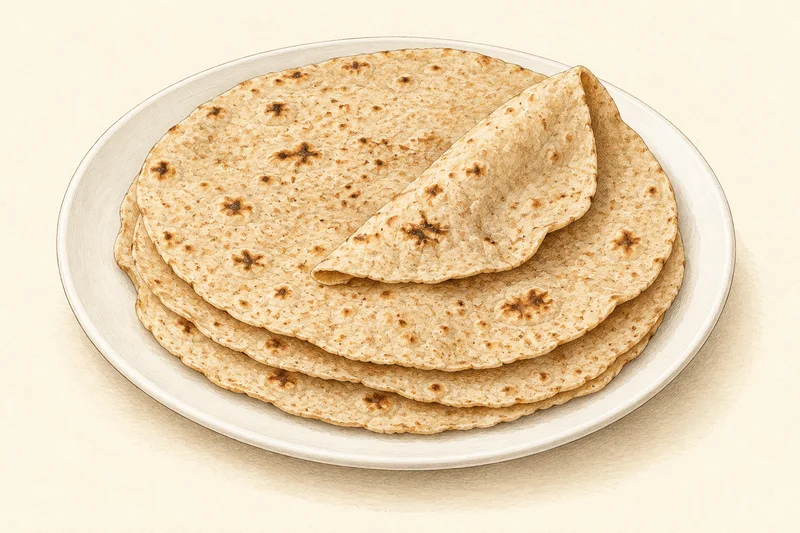 RecipeChapati (roti)India
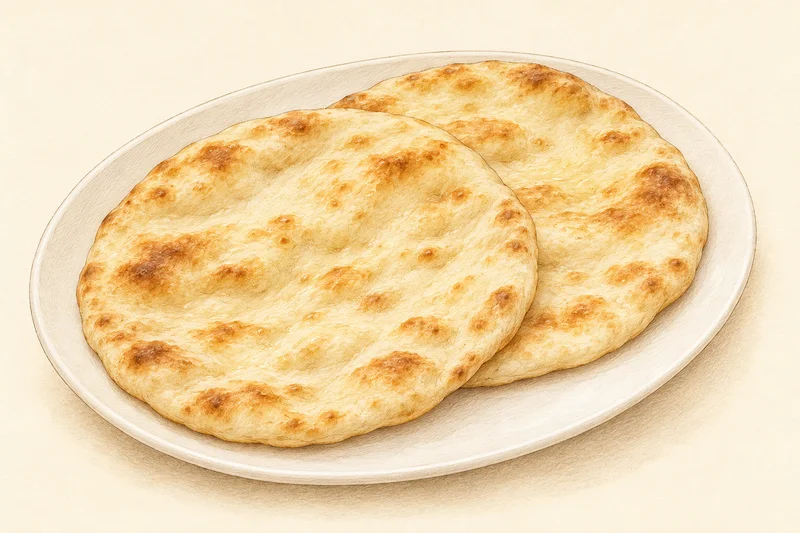 RecipeNaanIndia
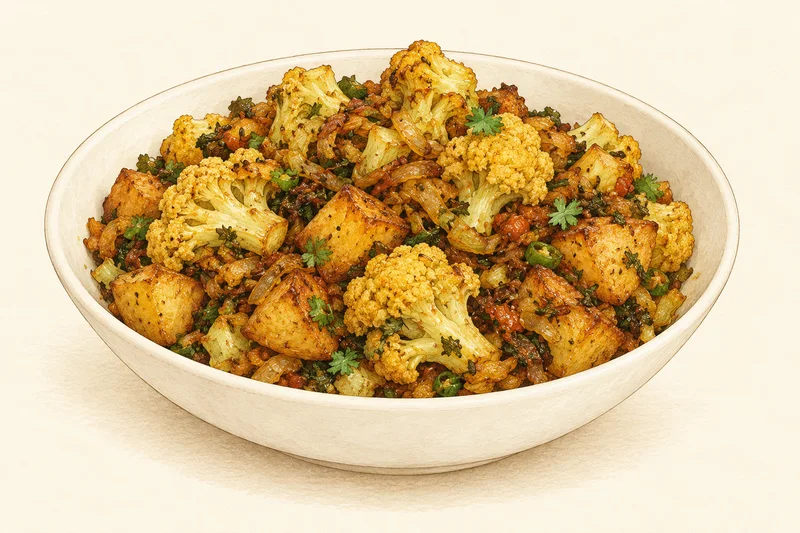 RecipeAloo gobiPunjab, India
- Wine regionNashikNashik, India
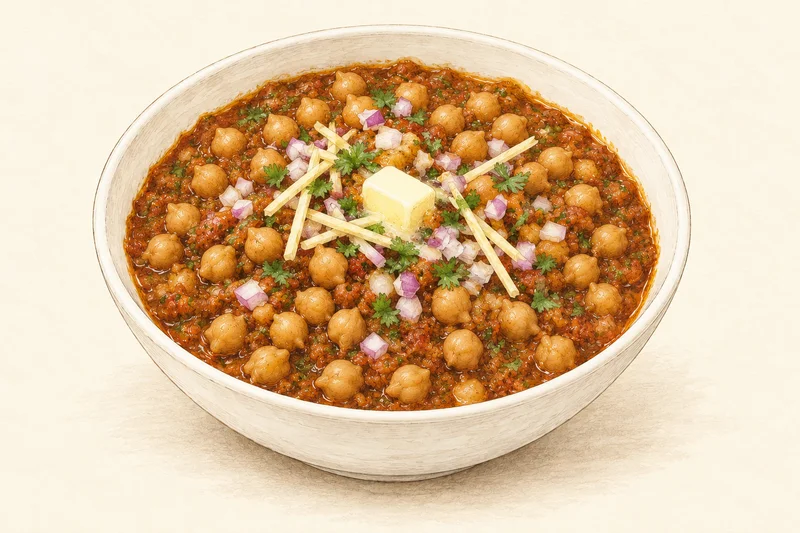 RecipeChana masala (Amritsari style)Amritsar, Punjab, India
- Grape varietyCabernet Sauvignon
- Grape varietyCheninFrance
- Grape varietySauvignon BlancFrance
 Grape varietySyrah