
Wine · Wine region · Short entry
Campanha Gaúcha
The Campanha Gaúcha is a wine region of 44,365 km² in south-western Rio Grande do Sul, on the borders with Uruguay and Argentina. Embrapa calls it the warmest wine region of southern Brazil, in the Pampa biome, with gently rolling hills ('coxilhas') between about 100 and 300 m. Its Indicação de Procedência for still and sparkling fine wines was registered in 2020 and is distinct from the indications of the Serra Gaúcha.
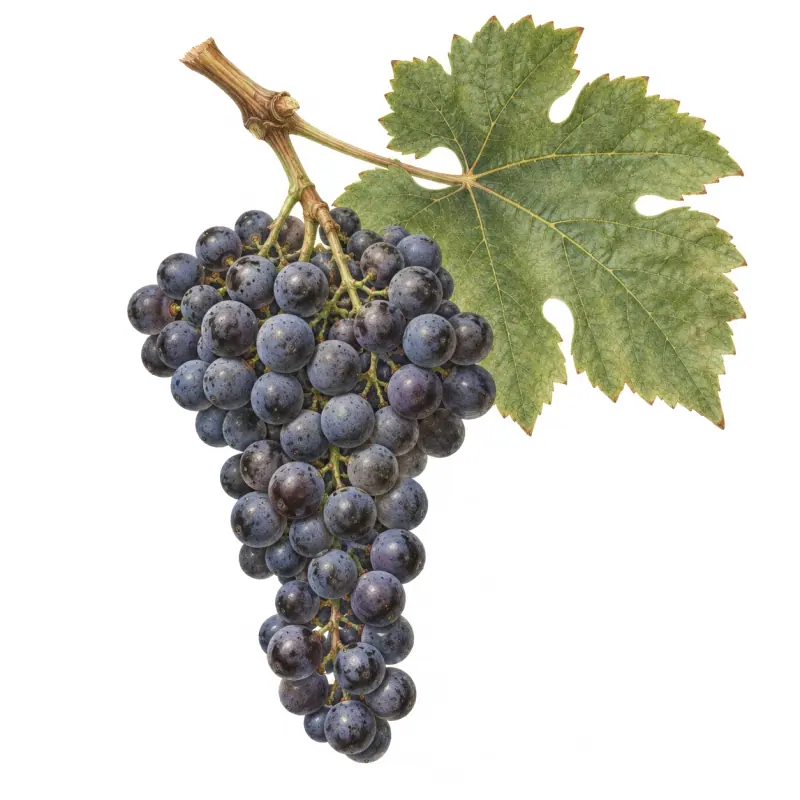
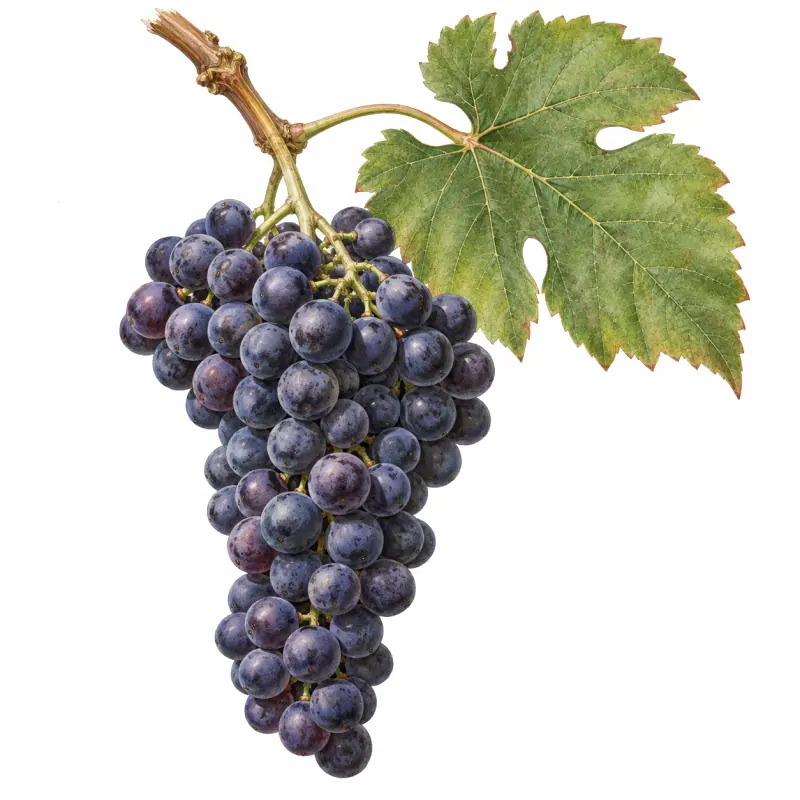

Mission vines to a 2020 IP
Embrapa says vines reached the region in the colonial period, in the west from the Spanish Jesuit missions and in the east with the Portuguese, but were grown for household use, with some importance at Uruguaiana and Bagé in the late 19th and early 20th centuries. A wine territory began to form from the 1970s, when Brazilian and foreign investors planted for fine wine, encouraged by studies of the region's aptitude and by public policies. Vineyards expanded strongly after 2000, by large and small growers. In 2010 producers founded the Associação de Produtores de Vinhos Finos da Campanha Gaúcha to structure the IP, which was registered in 2020. Small and medium growers without wineries make wine with local or Serra Gaúcha wineries.
Coxilhas of the Pampa
The IP covers 44,365 km² between 28°50' and 31°57' S, formed by the municipalities of Aceguá, Barra do Quaraí, Candiota, Hulha Negra, Itaqui, Quaraí, Rosário do Sul, Santana do Livramento and Uruguaiana and by districts of Alegrete, Bagé, Dom Pedrito, Lavras do Sul and Maçambará. Embrapa describes three geological areas: Precambrian rocks in the east at about 300 m; sedimentary rocks and recent alluvium of the Central Depression, with isolated residual hills, in the centre; and volcanic rocks of the Paraná Basin in the centre-west, falling to about 100 m near the Uruguay river. The relief is flat to gently rolling, with small hills called coxilhas. Present vineyards are mostly on deep, well-drained Argissolos of low natural fertility, with Latossolos, Luvissolos and Planossolos. The Pampa's grasslands cover the region. The climate is warm and sub-humid with temperate nights, warming towards the north-west.
Full ripeness and soft reds
Embrapa says the warmer, drier climate and sunny summers, with vertical-trellised vines, allow full ripening of a wide range of varieties. It describes the reds as bright ruby, with ripe fruit and no green-pepper notes, soft, with moderate to low acidity and good body; the whites as light, with moderate acidity from warm days and nights; and the sparkling wines as light and delicate. Tannat stands out: under the region's climate and soils it reaches excellent phenolic ripeness, giving deeply coloured, powerful wine with marked tannins and good acidity that can age.
An IP for still and sparkling wine
Brazil distinguishes the Indicação de Procedência, which requires proof that the name is known as a centre of production, from the Denominação de Origem, which requires qualities due to the geographical environment; an IP should not be relabelled as a DO. The IP Campanha Gaúcha covers still white, rosé and red wines and sparkling wines by the Charmat or traditional method, all from Vitis vinifera; Moscatel sparkling wine is not among its products. Embrapa names Pinot Grigio, Riesling Itálico, Chardonnay, Sauvignon Blanc and Gewürztraminer among the whites and Tempranillo, Merlot, Touriga Nacional, Cabernet Sauvignon, Cabernet Franc and Tannat among the reds, with Tannat also used in blends for colour and structure. The Brazilian Association of Oenology adds that vinifera grapes on vertical trellises dominate the frontier region.
Classification
- IP Campanha Gaúcha (2020)Still and sparkling fine wines from Vitis vinifera; Moscatel sparkling wine is not among its products.
How it connects
Wine region
- in Brazil
Grape variety
- grows Tannat
- grows Cabernet Sauvignon
- grows Merlot
- grows Chardonnay
Continue exploring
- CountryBrazil10 entries in the atlas so far
- RecipeFeijoadaBrazil
- Grape varietyCabernet Sauvignon
- Grape varietyChardonnay
- Grape varietyMerlot
- Grape varietyTannat
- Wine regionBrazilBrazil (national overview), Brazil
 RecipeEscargots à la bourguignonneBurgundy, France
 RecipeFondue au ComtéJura massif, Franche-Comté, France
 RecipeGougèresBurgundy, France