
Wine · Wine region · Short entry
Vosne-Romanée
Vosne-Romanée
Vosne-Romanée is a Côte de Nuits village appellation for red Pinot Noir, covering Vosne-Romanée and Flagey-Échezeaux. Its name is closely associated with several Grand Cru vineyards, while the village appellation covers its own delimited sites at the top and foot of the slope around them.
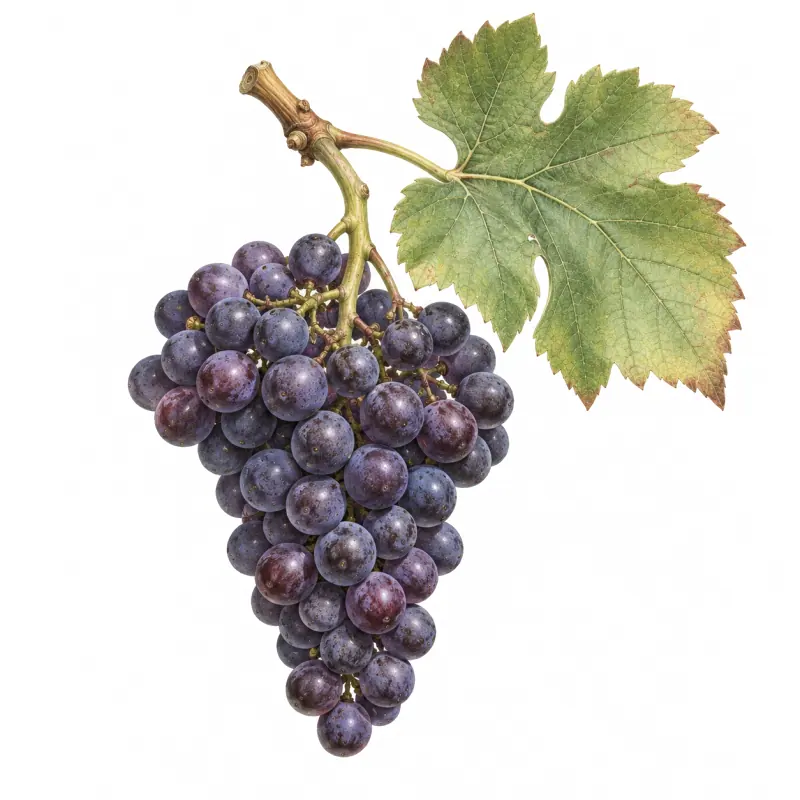
Saint-Vivant, Cîteaux and the Prince of Conti
Vines are recorded here from the Middle Ages. The Cluniac abbey of Saint-Vivant, founded around 890 in the Hautes Côtes, owned a vineyard and a winery at Vosne whose buildings still stand, and its name survives in the Grand Cru Romanée-Saint-Vivant. Flagey-Échezeaux came under the abbey of Cîteaux, established from the twelfth century in neighbouring Vougeot. In 1760 Louis-François de Bourbon, Prince of Conti, bought La Romanée from Saint-Vivant; it later took his name.
At the Revolution the estates of the Church and nobility were seized and sold. In 1778 the abbé Courtépée called Vosne the "head of the wines of Burgundy". Growers founded a cooperative in 1909, now gone. In 1866 an imperial decree let Vosne add "Romanée" to its name. The AOC Vosne-Romanée was recognised by the decree of 11 September 1936, and a list of Premier Cru climats followed in 1943.
Soil, slope and climate
The front of the Côte rises about 150 m and is built of Bajocian and Bathonian limestones with the compact Comblanchien limestone, and a band of upper Bajocian marl makes a slight terrace low down. At the foot, Tertiary limestone conglomerates form a gentle swell. Two combes cut the slope, with stony, well-drained fans at their mouths. Scree, clay and silt cover the rock: very stony and in places gravelly glacial scree above, finer and deeper below. Clays rich in iron oxide give the soils a red colour. The BIVB notes soil depths from some tens of centimetres to 1 m and an easterly exposure; village plots lie at the top or foot of the slope on either side of the Grand Crus.
The climate is cool oceanic with continental and southern influences: about 730 mm of rain a year and a mean of 10.5 °C. The combes are locally cooler.
What the place gives the wine
The specification describes mostly ruby wines whose first quality is elegance. Velvety tannins and fairly discreet acidity make them mellow. They are very aromatic, with cherry and even peony, then forest-floor notes with age, and long persistence; they gain from several years of keeping. It links this to the cool climate, the gentle east-facing slopes and the stony soils from eroded Jurassic limestone. The BIVB sheet speaks of ripe fruit over spice and notes that the wine can seem austere when young and needs time in bottle.
Grapes and classification
The wines are red. Pinot Noir is the main grape; Chardonnay, Pinot Blanc and Pinot Gris are allowed as accessory varieties, interplanted and limited to 15% of each plot. The village appellation covers Vosne-Romanée and Flagey-Échezeaux and has 14 Premier Cru climats. Vosne-Romanée has six Grand Crus and Flagey-Échezeaux two, including Romanée-Conti, La Tâche, Richebourg and Échezeaux; they are separate appellations, not subordinate labels of Vosne-Romanée. In 2022 the BIVB recorded 149.47 ha, including 56.01 ha of Premier Cru.
How it connects
Wine region
Grape variety
- grows Pinot Noir
Continue exploring
- CountryFrance162 entries in the atlas so far
- Grape varietyPinot Noir
- Wine regionCôte de NuitsNuits-Saint-Georges, France
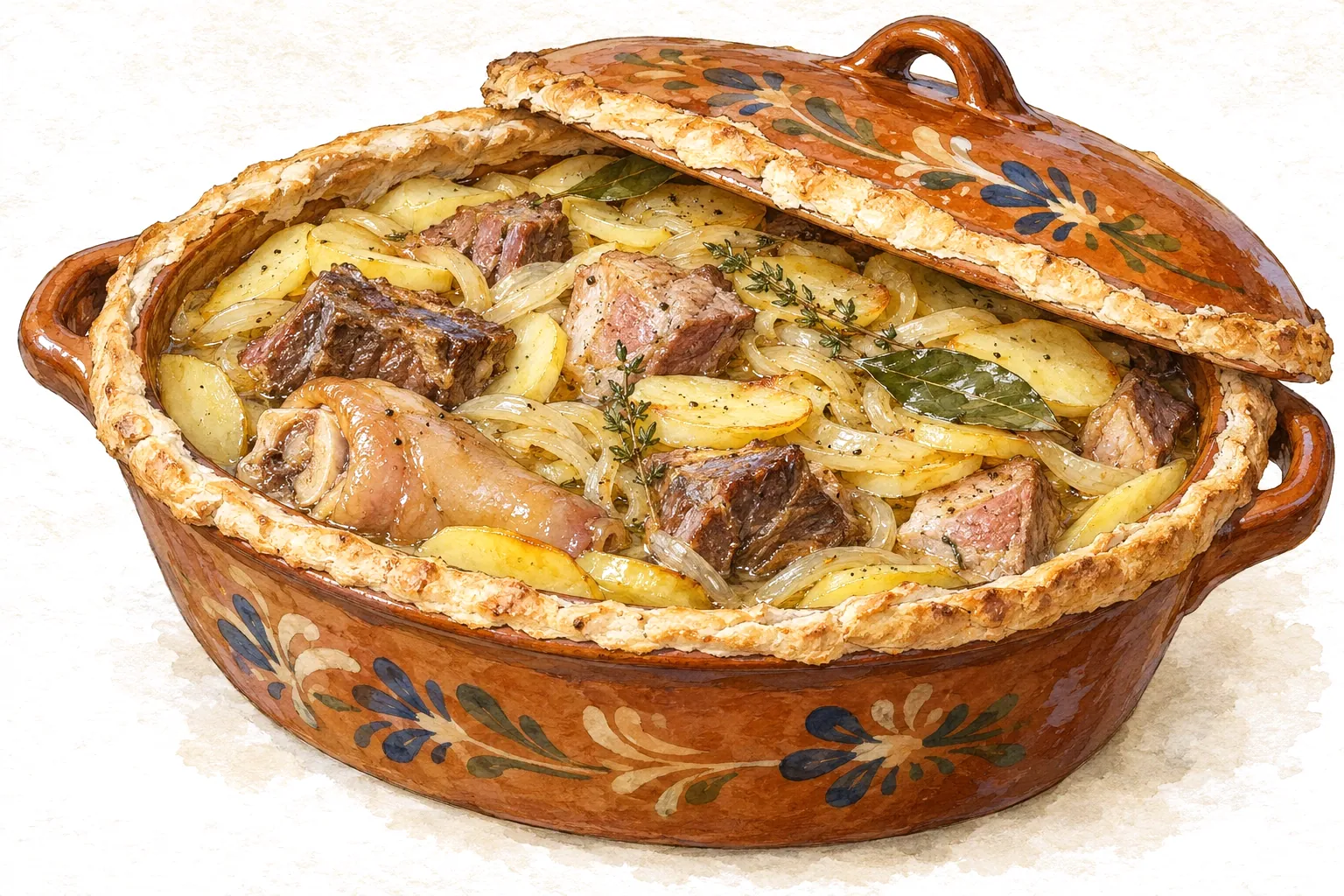 RecipeBaeckeoffeAlsace, France
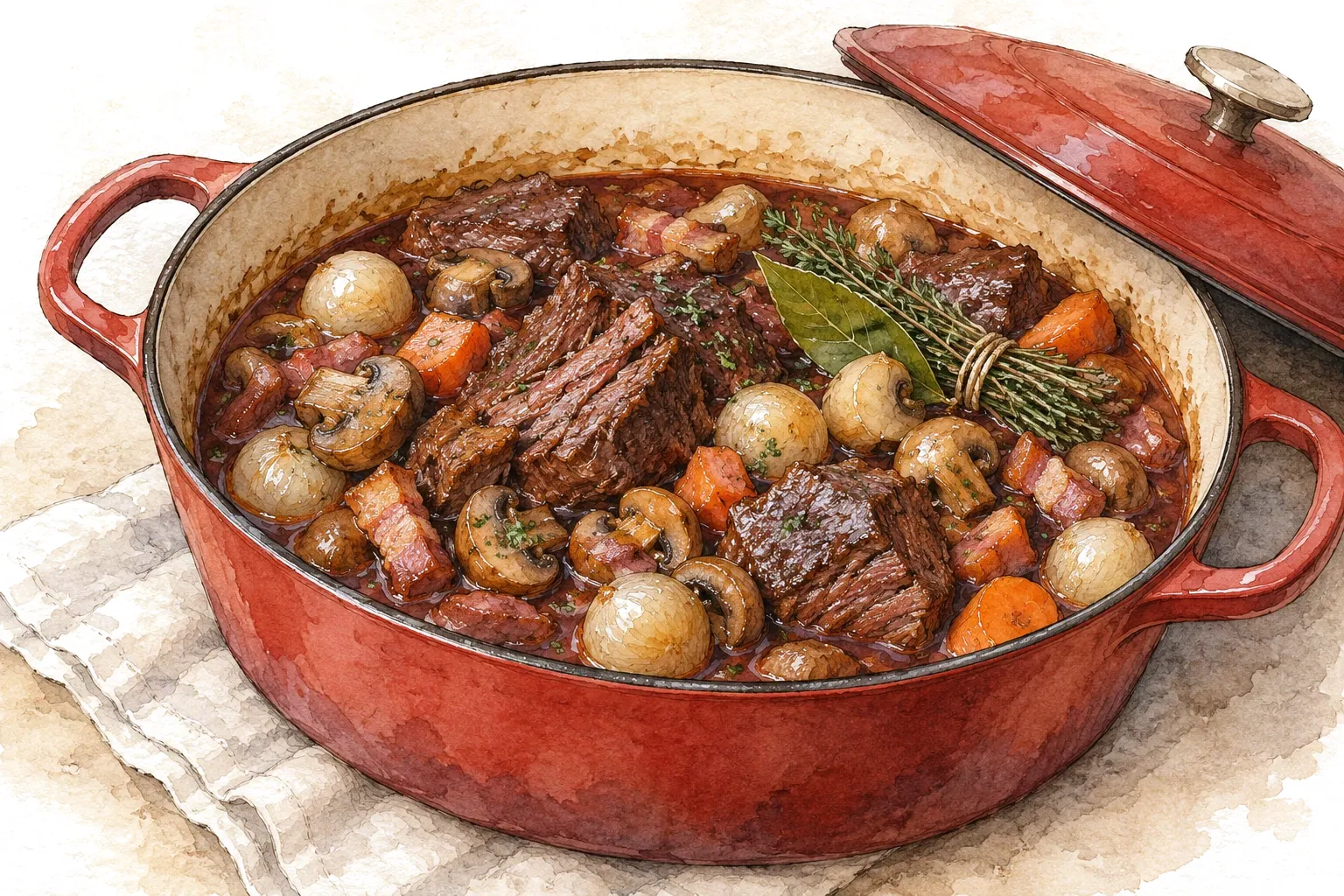 RecipeBœuf bourguignonDijon, France
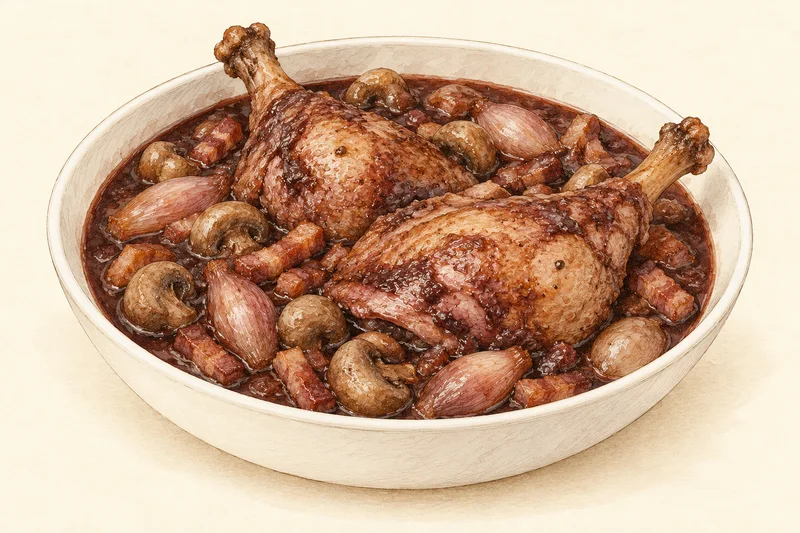 RecipeCoq au vinBurgundy, France
 RecipeŒufs en meuretteBurgundy, France
 StoryThe Cistercians and the Clos de VougeotVougeot, France
 StoryDid Dom Pérignon invent Champagne?Hautvillers, France
- Wine regionAlto AdigeBolzano, Italy