
Wine · Wine region · Short entry
Nuits-Saint-Georges
Nuits-Saint-Georges
Nuits-Saint-Georges is a Côte de Nuits village appellation spanning Nuits-Saint-Georges and Premeaux-Prissey, on either side of the Meuzin valley. It is best known for red Pinot Noir and has no Grand Cru appellation. The town gave its name to the Côte de Nuits and became the second wine-trading centre of Burgundy after Beaune.
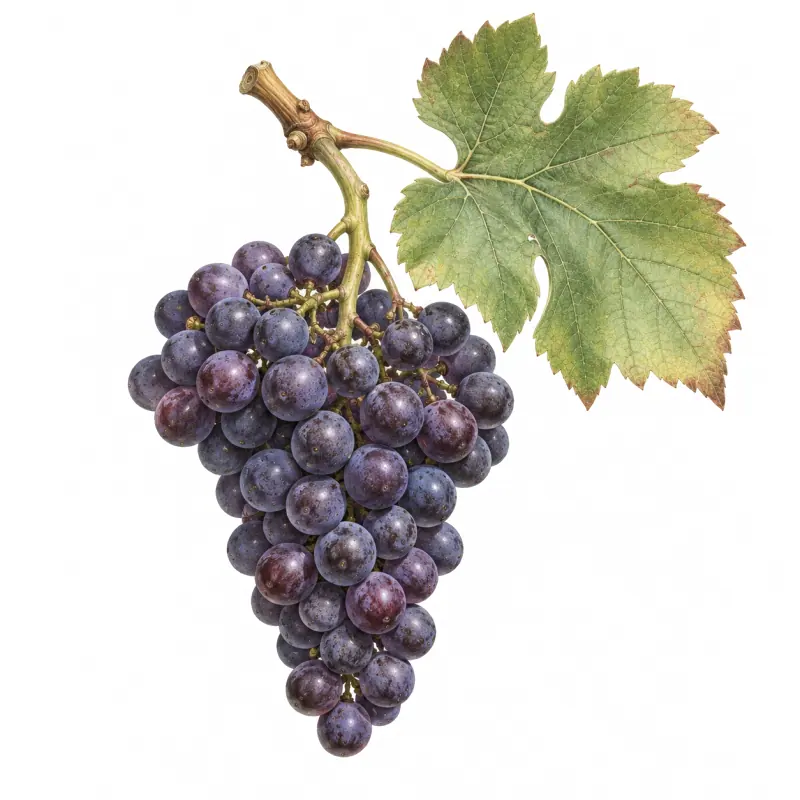
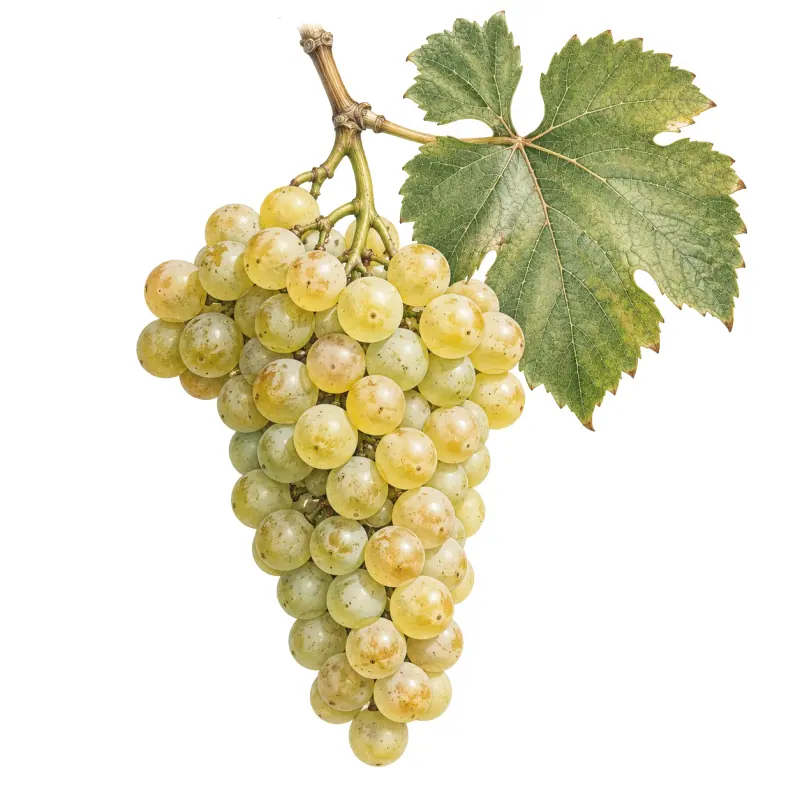
A wine town and its merchants
Nuits appears to have been an important wine centre from the early Middle Ages; according to Danguy and Aubertin (1892), the Saint-Georges vineyard has been planted since about the year 1000. From the fifteenth century the "vins de Beaune" made along the whole Côte were sold across Europe: light red "pinots vermeils" that could travel. In the eighteenth century merchant houses were founded at Nuits, and the town became the second Burgundy wine-trading centre after Beaune.
In 1892 Nuits added the name of its most prestigious vineyard. A judgment of the Beaune civil court fixed the appellation's limits in 1934, and the AOC was recognised by the decree of 11 September 1936. A list of Premier Cru climats followed in 1943. Also in 1934, a few Nuits producers founded the Confrérie des Chevaliers du Tastevin, now based at the Clos de Vougeot.
Soil, slope and climate
The front of the Côte rises about 150 m and is built of Bajocian and Bathonian limestones, with compact Comblanchien limestone as its backbone. The valley of the Meuzin, a small intermittent river, cuts the slope, and part of the town stands on its broad, gravelly fan. Scree, clay and silt cover the slopes, and near the top a layer of frost-shattered gravels from the Quaternary glaciations is very free-draining and poor. The BIVB sheet divides the appellation in two. North of the town, soils come from pebbly alluvium washed down the slope, with silty Meuzin deposits low down. South of it, alluvium from the Combe de Vallerots gives deep marly-limestone soils, while the rock is almost at the surface at the top. Exposures are mostly east or south-east.
The climate is cool oceanic with continental and southern influences, about 750 mm of rain a year and a mean of 10.5 °C. Morning mists common in the plain do not reach the slope.
What the place gives the wine
The specification describes reds of an intense, deep purple. When young they usually show cherry, strawberry and blackcurrant; with age leather, truffle, fur and game. Premier Cru wines are marked by power and massive tannic structure and age for a long time. It links their balance and concentration to the warm mesoclimate of the east-facing slope and the moderate fertility of well-drained limestone soils. Chardonnay is planted on more marly soils, where it keeps enough acidity to give elegant, long-lived whites. The BIVB sheet calls the rare whites firm and heady, with brioche, honey and white flowers.
Grapes and classification
Reds are made from Pinot Noir, with Chardonnay, Pinot Blanc and Pinot Gris as accessory varieties; whites from Chardonnay and Pinot Blanc. Chardonnay is only about 2% of plantings, mostly at Premeaux-Prissey. The appellation has 41 Premier Cru climats and no Grand Cru. Position and soil vary along the north–south vineyard, so the Premiers Crus do not share a single flavour profile. In 2022 the BIVB recorded 289.36 ha of red and 15.82 ha of white.
How it connects
Wine region
Grape variety
- grows Pinot Noir
- grows Chardonnay
Continue exploring
- CountryFrance162 entries in the atlas so far
- Grape varietyPinot Noir
- Wine regionCôte de NuitsNuits-Saint-Georges, France
 RecipeBaeckeoffeAlsace, France
 RecipeBœuf bourguignonDijon, France
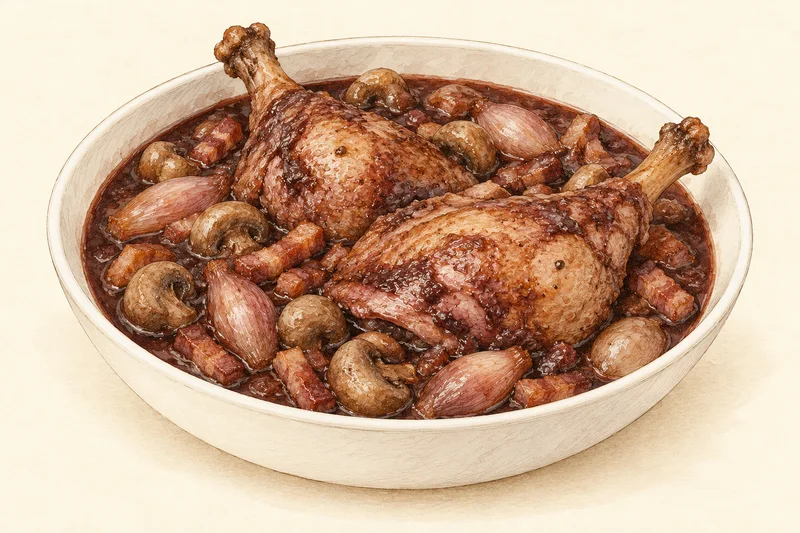 RecipeCoq au vinBurgundy, France
- Grape varietyChardonnay
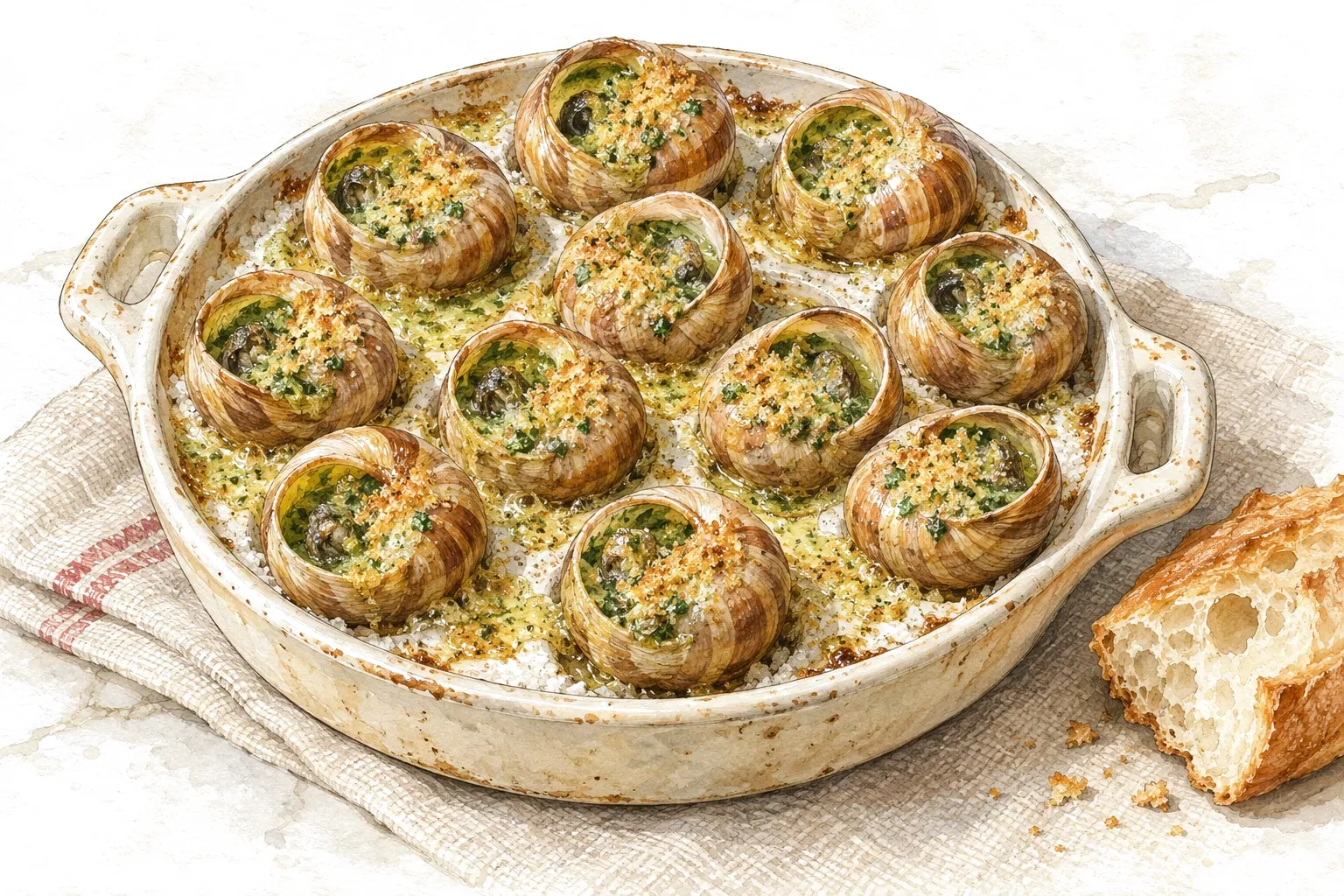 RecipeEscargots à la bourguignonneBurgundy, France
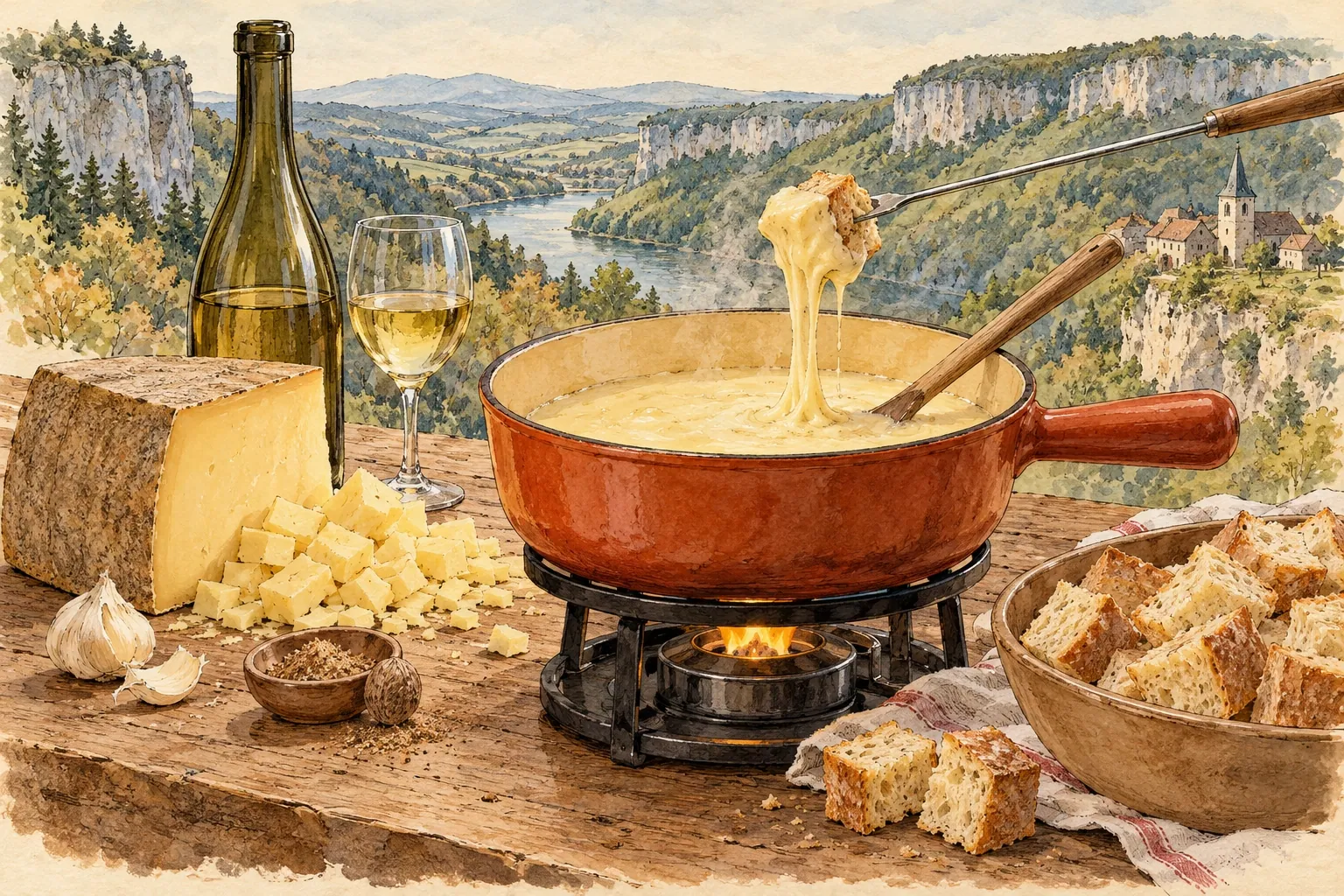 RecipeFondue au ComtéJura massif, Franche-Comté, France
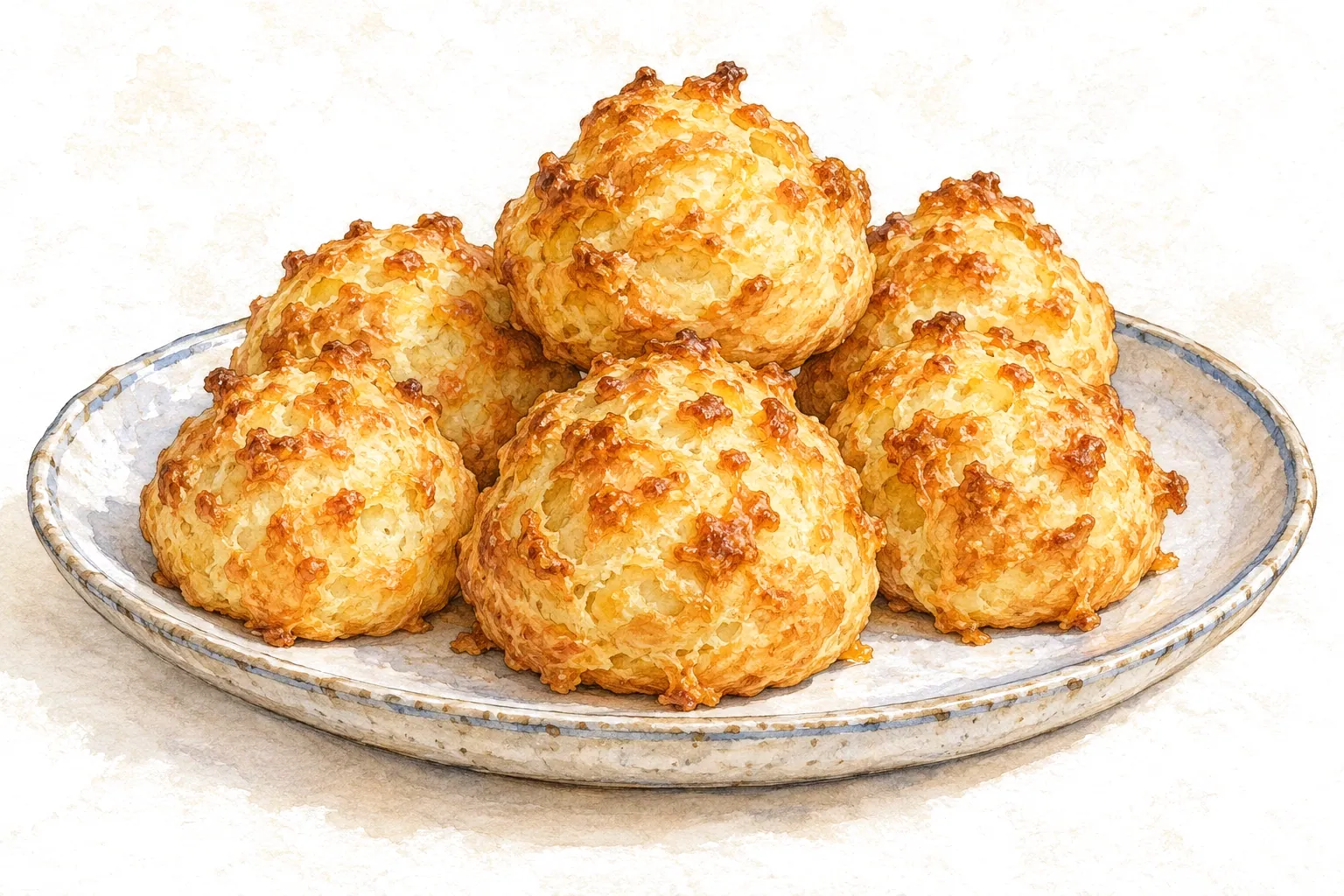 RecipeGougèresBurgundy, France