
Wine · Wine region · Short entry
Morey-Saint-Denis
Morey-Saint-Denis
Morey-Saint-Denis is a Côte de Nuits village between Gevrey-Chambertin and Chambolle-Musigny. Pinot Noir makes about 95% of its wine, with a small white production, and five Grand Cru appellations lie in the commune.
Abbeys, clos and a new name
From the Middle Ages the Cistercian abbey of Tart, then the abbey of La Bussière-sur-Ouche, the lords of Vergy and great Burgundian families built up vineyards here. The names remain on the map: Clos de Tart, La Bussière, and the Clos Saint-Denis of the canons of Vergy. In 1816 Jullien placed several Morey sites, now Grand Crus, in his first class, and the BIVB quotes Dr Lavalle in 1855: "it can be said that it lacks nothing".
In 1927 the village, until then Morey-en-Montagne, added the name of its most prestigious vineyard. Its reputation grew after a court judgment of 1929, and the AOC was recognised by the decree of 8 December 1936. A list of Premier Cru climats followed in 1943. Growers also formed cooperatives in the first half of the twentieth century; the last closed in 1990.
Soil, slope and climate
The vineyard lies on the front of the Côte, which rises about 150 m and is built of Bajocian and Bathonian limestones, with Comblanchien limestone as its backbone and a band of Bajocian marl low down. The BIVB describes white Bathonian oolite up the slope and fossil-rich Bajocian limestone at the foot; below the village the slopes turn and the soil is more marly. A small combe cuts the slope, and its fan has stony, well-drained soils. Near the top, a layer of frost-shattered gravels is very free-draining and poor. Soils are thin and calcareous above and clayier and deeper, to about 0.5 m, below. The vines face east.
The climate is cool oceanic with continental and southern influences, with about 750 mm of rain a year and a mean of 10.5 °C. The east-facing slope catches the first sun, which warms the soil early and clears the morning mist.
What the place gives the wine
The specification describes ruby reds with velvety tannins and an acid balance that gives finesse, often with small red and black fruit when young. Premier Cru wines are more complex, with woody or forest-floor notes, and the wines are long-lived. It credits the thin, sloping, well-drained soils and open, sunny situation of the Premier Cru plots on limestone for their quality. The BIVB sheet lists blackcurrant, bilberry and cherry, with game, leather, moss and truffle with age, and presents Morey as a bridge between the wines of Gevrey-Chambertin and Chambolle-Musigny. Whites are described as balanced, powerful and broad.
Grapes and classification
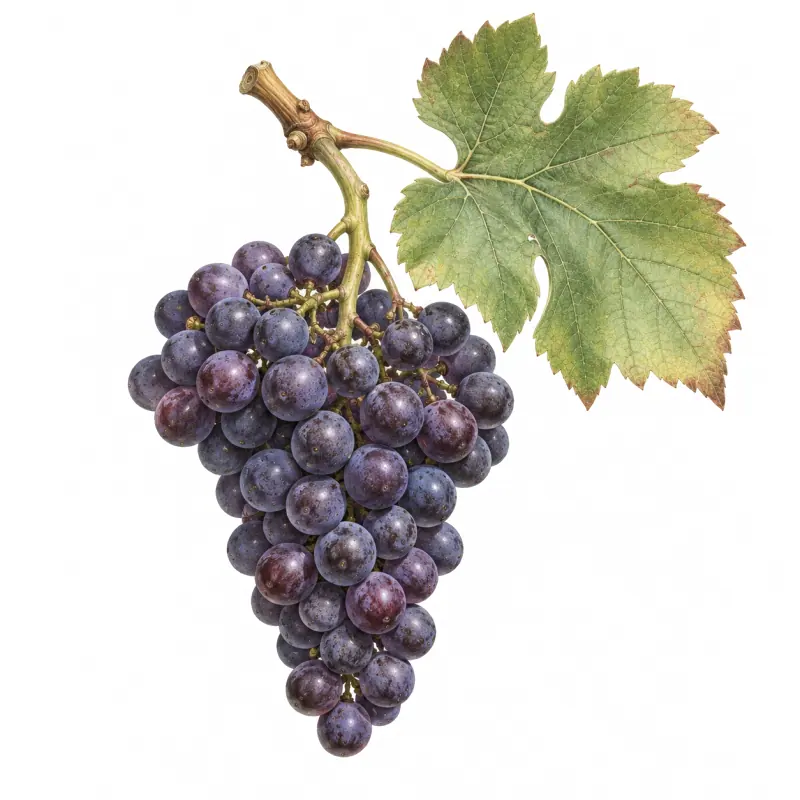
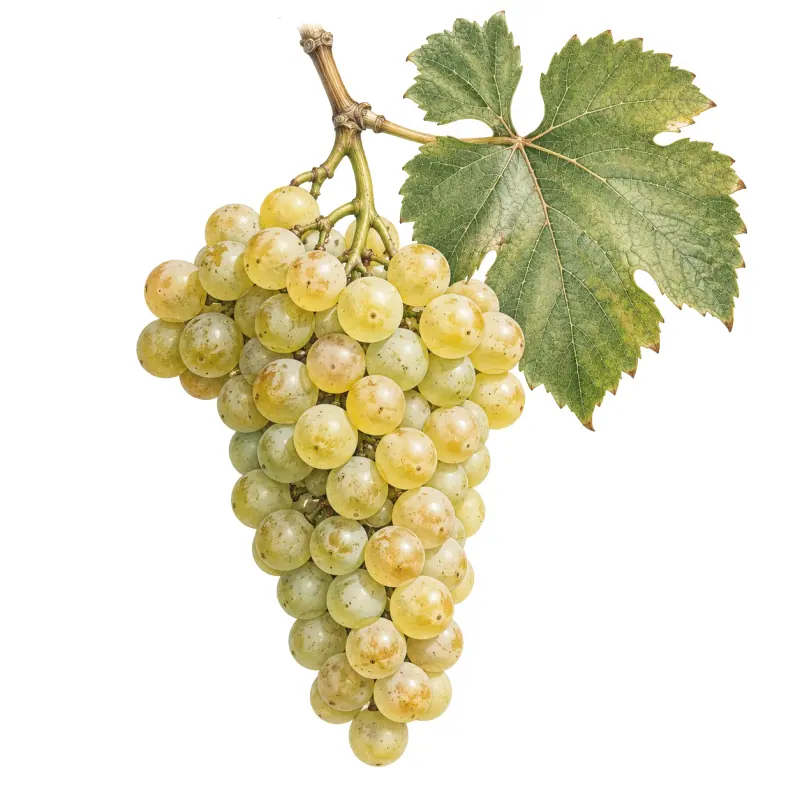
Reds are made from Pinot Noir, with Chardonnay, Pinot Blanc and Pinot Gris as accessory varieties. Whites are made from Chardonnay and Pinot Blanc; by old local usage, whites from the Premier Cru climat Monts Luisants may also include Aligoté. Reds are about 94.5% of production. The village appellation has 20 Premier Cru climats. Five Grand Cru appellations lie in the commune: Clos de Tart, Bonnes-Mares in part, Clos de la Roche, Clos Saint-Denis and Clos des Lambrays. In 2022 the BIVB recorded 85.90 ha of red and 5.23 ha of white.
How it connects
Wine region
Grape variety
- grows Pinot Noir
- grows Chardonnay
Continue exploring
- CountryFrance162 entries in the atlas so far
- Grape varietyPinot Noir
- Wine regionCôte de NuitsNuits-Saint-Georges, France
 RecipeBaeckeoffeAlsace, France
 RecipeBœuf bourguignonDijon, France
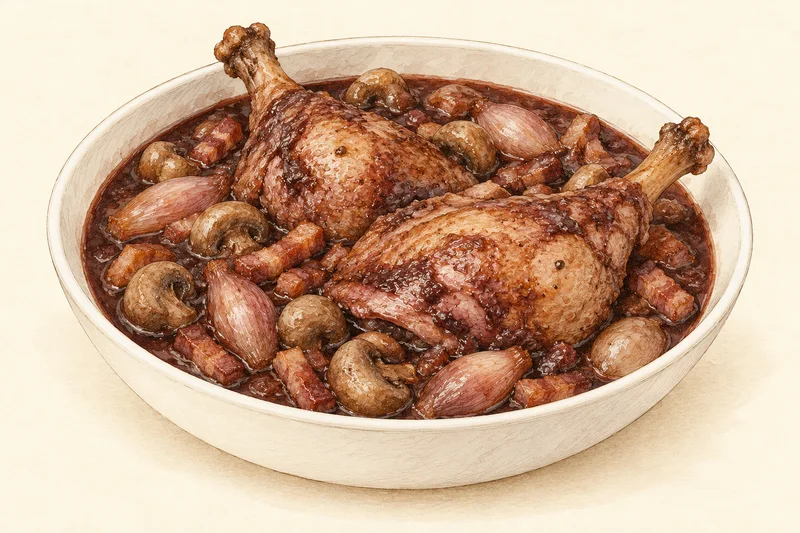 RecipeCoq au vinBurgundy, France
- Grape varietyChardonnay
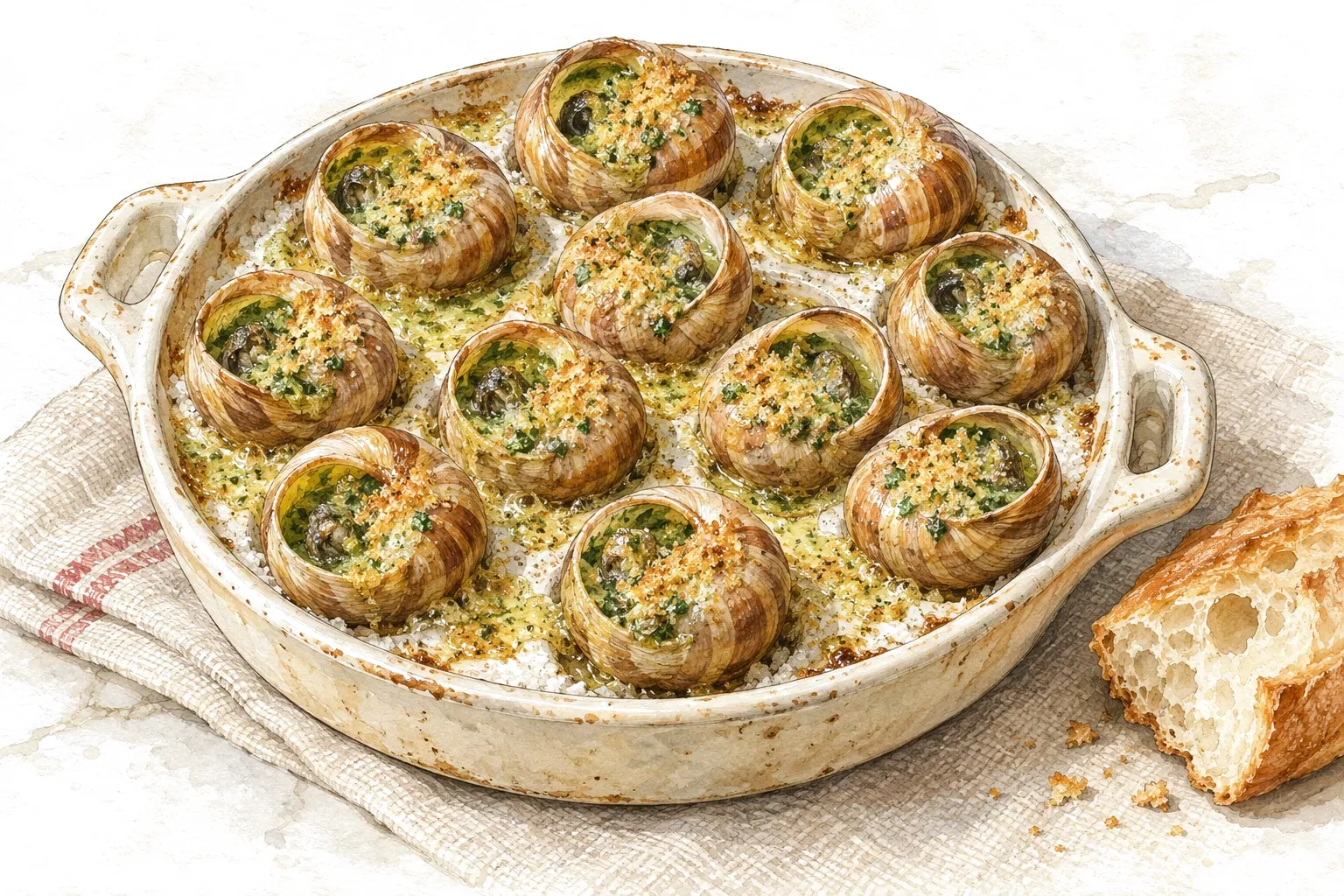 RecipeEscargots à la bourguignonneBurgundy, France
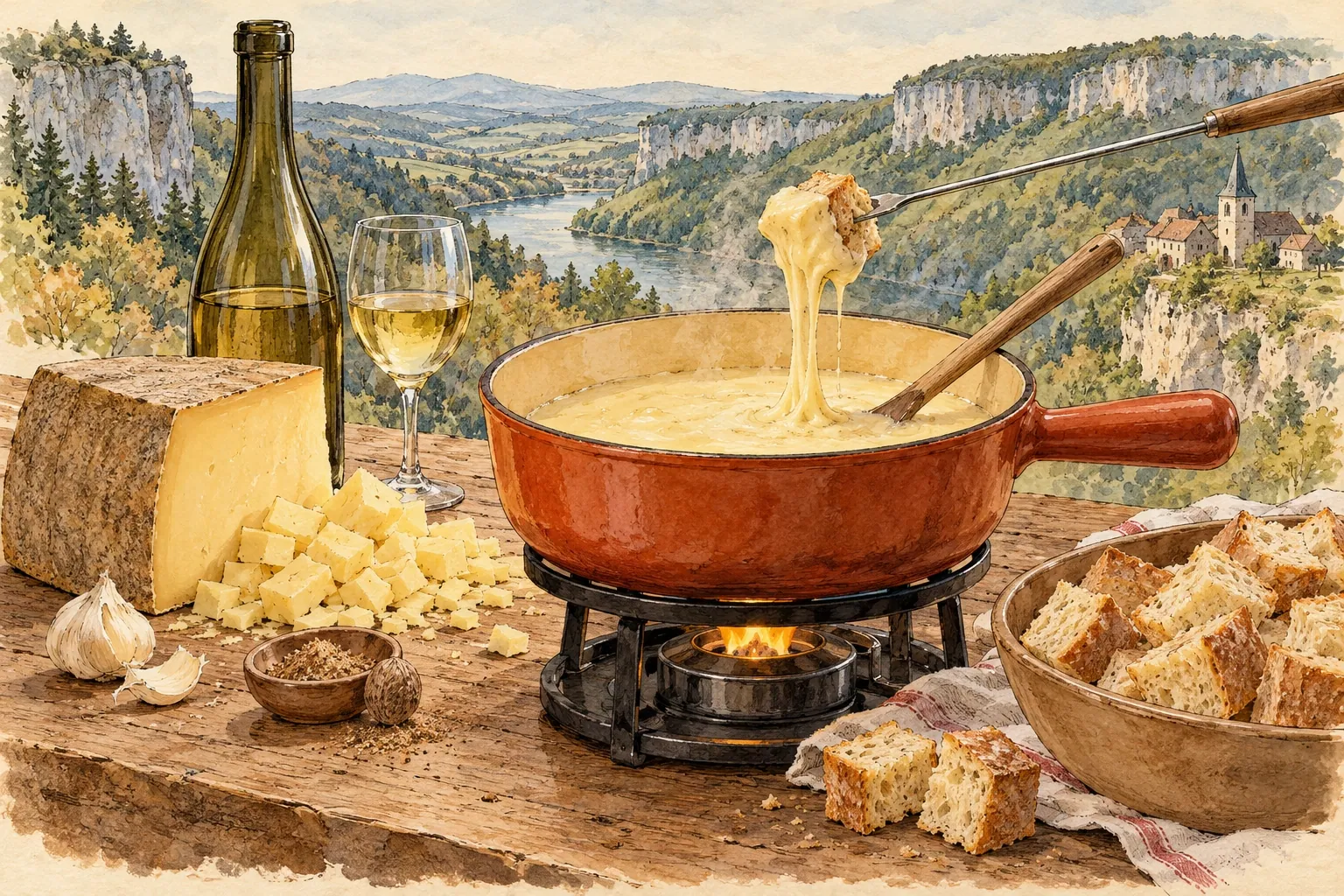 RecipeFondue au ComtéJura massif, Franche-Comté, France
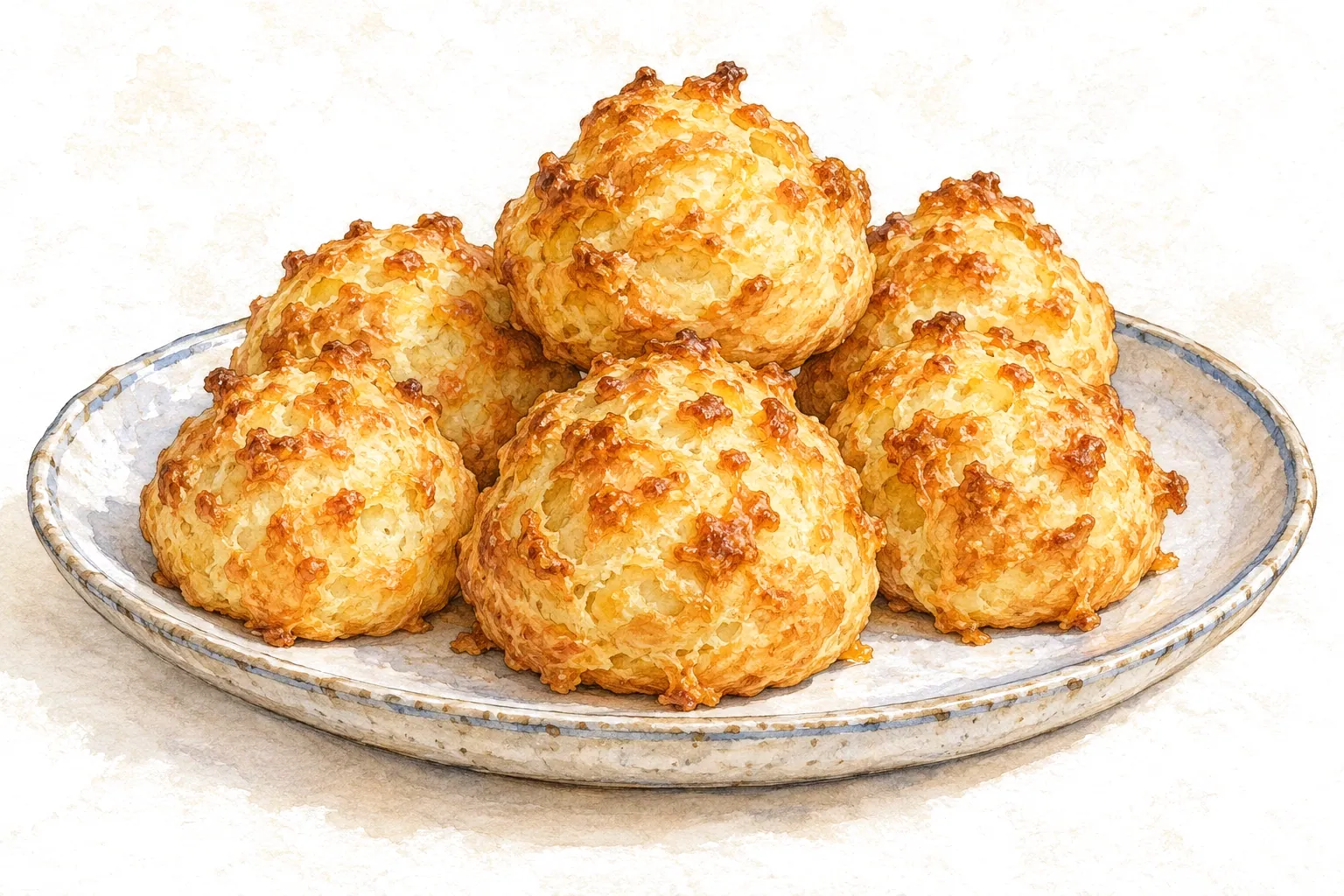 RecipeGougèresBurgundy, France