Wine · Wine region · Short entry
Hungary
Magyarország
Hungary grows 223 wine-grape varieties on about 65,000 ha, 70% of it white, according to the national wine marketing agency. The agency groups 22 wine districts into six regions: Balaton, Danube, Pannon, Upper Pannon, Upper Hungary and Tokaj. The EU register lists 37 Hungarian wine PDOs and 6 PGIs.
From Roman Pannonia to the post-1990 wineries
The national wine marketing agency describes a developed Roman wine culture in the Upper Pannon area, one of the oldest Hungarian wine-growing regions. On the Great Plain, the founding charter of the Garamszentbenedek Abbey (1075), in which King Géza I gave vineyards at Alpár on the Tisza to the abbey, shows that vines were grown there in the Árpád era. A royal decree of 11 October 1737 fixed the boundaries of Tokaj. Hungary's first wine law dates from 1893; under it Pécs and Villány formed a single wine region. Phylloxera arrived at the end of the 19th century. After 1945 production was organised in state farms; in Tokaj a state wine combine was set up in 1950. Privatisation began after 1990. The agency dates the technical modernisation of the Great Plain wineries to the years after EU accession in 2004, and the Danube wine region was created in 2006 from the Csongrád, Hajós-Baja and Kunság districts.
Six regions in the Carpathian Basin
The agency groups 22 wine districts into six regions. Balaton has six districts: loess soils on the warm south shore, and calcareous marl, red Permian sandstone and volcanic soils on the north shore, with the volcanic hill of Somló about 40 km north of the lake. The Danube region on the Great Plain holds 35–40% of the national vineyard area; its climate is continental, with hot summers and frost risk, and its sands contain lime-rich clay layers. The Pannon region south of Balaton covers about 7,000 ha, almost entirely on loess, with sub-Mediterranean influence strongest at Villány. Upper Pannon has less than 5,000 ha along the Danube hills, from Pannonhalma loess to Etyek limestone and lakeshore clay at Sopron. Upper Hungary, with about 12,000 ha in the Northern Hungarian Mountains, has volcanic tuff at Eger, andesite in the Mátra and limestone at Nagy-Eged. Tokaj, about 5,000 ha, lies on volcanic soils between two rivers.
What the agency says the regions give
The national wine marketing agency links style to region. Upper Pannon is associated with fresh, acid-driven, fruity white wines. In Upper Hungary the mountains protect the vineyards from cold winds and the higher sites cool down at night in summer, which the agency says lets grapes keep lively acidity. The Pannon region is primarily red, with Kékfrankos in Tolna and Szekszárd and Bordeaux varieties, especially Cabernet Franc, at Villány. The Danube region is described as the home of fresh, crisp everyday wines, mostly white. Olaszrizling is named as the most characteristic variety of Balaton. For Tokaj, it credits the humidity and warmth of the Tisza and Bodrog with botrytis and describes an exceptional volcanic soil matrix.
PDOs, PGIs and grapes
The EU register lists 37 Hungarian wine PDOs and six PGIs (Duna-Tisza-közi, Dunántúl, Balaton, Balatonmelléki, Felső-Magyarország and Zemplén). PDOs range from whole districts, such as Tokaj and Eger, to small designations such as Monor, Soltvadkert, Izsáki Arany Sárfehér and Etyeki Pezsgő. Some districts have regional brands inside their PDO, such as Szekszárdi Bikavér, Villányi Franc, Egri Bikavér and Egri Csillag.
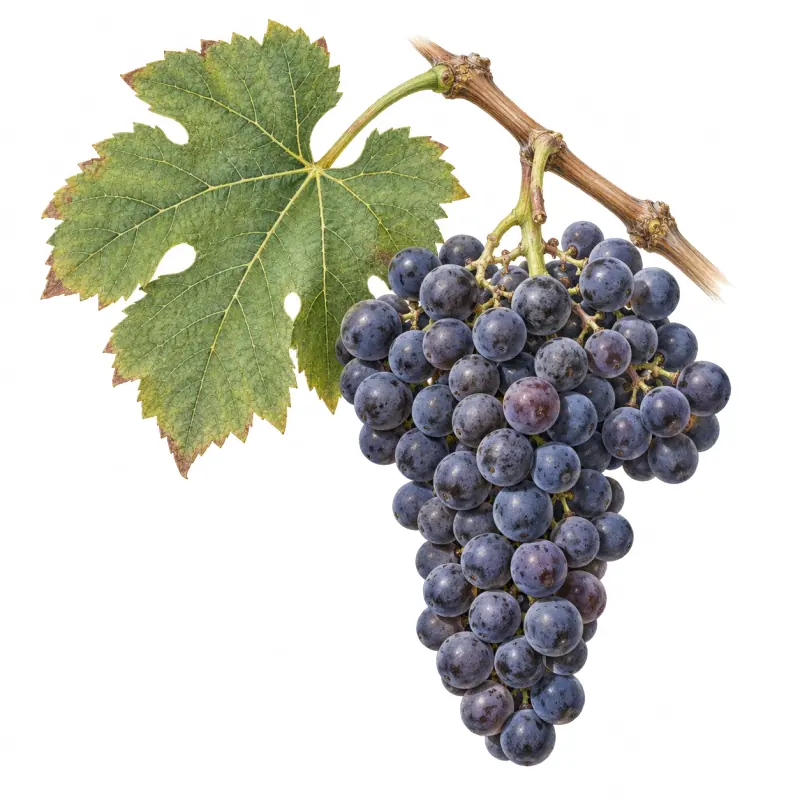
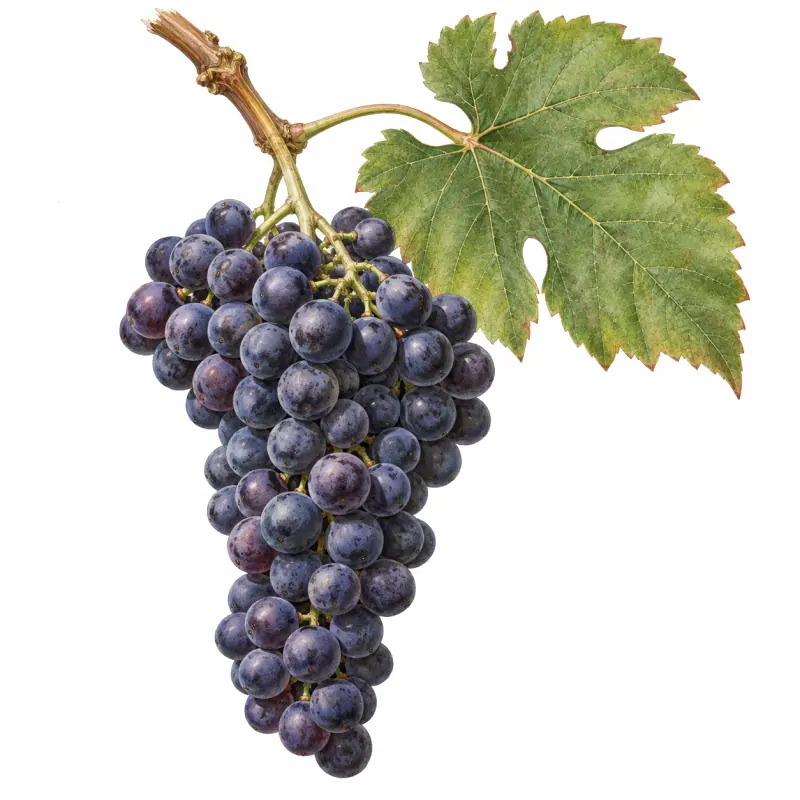
The agency counts 114 white and 45 black varieties authorised or temporarily authorised. White grapes cover 70% of the vineyard area, about 45,589 ha, and black grapes about 19,670 ha. Kékfrankos is the most planted variety overall, on more than 12% of the vineyards. Cserszegi Fűszeres, Furmint and Olaszrizling are the most widely planted traditional whites, and resistant varieties are gaining ground.
Classification
- PDO (oltalom alatt álló eredetmegjelölés)37 registered wine PDOs, from whole districts such as Tokaj and Eger to small ones such as Monor, Soltvadkert and Izsáki Arany Sárfehér.
- PGI (oltalom alatt álló földrajzi jelzés)Six PGIs: Duna-Tisza-közi, Dunántúl, Balaton, Balatonmelléki, Felső-Magyarország and Zemplén.