
Wine · Wine region · Reference page
Friuli Venezia Giulia
Italy's north-eastern corner, between the Alps, Slovenia and the Adriatic. It is best known for white wines from hills of marl and sandstone flysch, such as Collio and the Friuli Colli Orientali, and also makes native reds and sweet Picolit and Ramandolo. Roman Aquileia shipped its wine to north-eastern Europe.
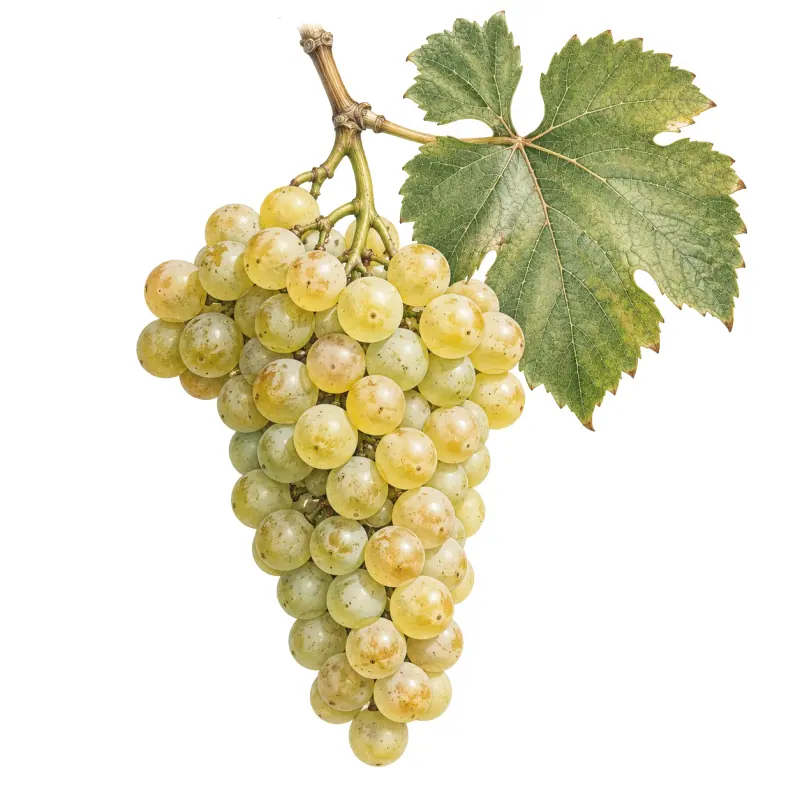
Aquileia, barrels and Burgundy
The Friuli DOC rules place the beginnings around 700 BC and the real start of vine growing at the founding of the Latin colony of Aquileia in 181 BC, recorded by Livy. Aquileia, which the rules call the third city of the Empire, shipped Friulian wine to north-eastern Europe; Strabo wrote of its barrels "as big as houses", and Herodian of a bridge over the Isonzo made from barrels in AD 238. The Empress Livia credited her long life to Pucino, a wine from the springs of the Timavo. A document of 762 obliged farmers of Medea and Cisis to give a monastery at Salt di Povoletto 100 amphorae of wine a year.
In the Middle Ages Ribolla was a gift at European courts. From the 1500s Venice ruled Friuli and the Habsburgs Gorizia. In 1747 Count Lodovico Bertoli published Le vigne ed il vino di Borgogna in Friuli and planted a dense experimental vineyard of Refosco at Biauzzo. The Friuli DOC was approved by an EU implementing regulation of 6 November 2020.
Mountains, plain and coast
The region covers 7,856 km²: 42.5% mountains, 19.3% hills, mostly in the south-east, and 38.2% plain and coast. The Friuli DOC divides its vineyards into three types. The eastern hills along the Slovenian border lie on Eocene flysch, marl over sandstone, called ponca in Friulian; the western and northern hills are moraine, gravel mixed with silty clay. The central plain is alluvium from rivers such as the Tagliamento, Isonzo, Torre and Natisone, coarse in the north and finer to the south, with calcareous-dolomitic gravels; the eastern plain has ferretto, gravel under 30-70 cm of weathered soil. West of the Isonzo mouth the coast is low and sandy; to the east the Karst meets the sea.
The Julian Prealps shelter the hills and the sea, about 40 km away, softens them. Rain rises from 1000-1200 mm on the coast to 1200-1800 mm on plain and hills and 2500-3000 mm in the Prealps, peaking in June and November.
Refined plain, structured hills
The rules say the stony, sandy alluvium of the plain explains why Friuli wines are not high in alcohol, yet gives them refinement, especially in the aromas of whites: the fresh, fragrant notes of Pinot Grigio and the fruit and flowers of Pinot Bianco, Friulano and Chardonnay. Roots go several metres deep in these loose soils. Vineyards on the ponca give more structure and body than the plain; there the reds gain elegance, Merlot and Cabernet Franc show light herbaceous notes, and Verduzzo Friulano gains harmony. Cool easterly winds such as the bora help preserve aroma precursors, and the rules say both reds and whites can last more than a decade.
A white-wine region with native reds
The region-wide Friuli DOC, also labelled Friuli Venezia Giulia or, in Slovene, Furlanija, allows whites from Chardonnay, Friulano, Malvasia Istriana, Pinot Bianco, Pinot Grigio, Riesling, Sauvignon, Traminer Aromatico, Verduzzo Friulano and Ribolla Gialla; reds from the Cabernets, Carmenère, Merlot, Pinot Nero and Refosco dal Peduncolo Rosso; and sparkling wines, including Ribolla Gialla spumante of at least 85% Ribolla. The best-known hill zones are Collio and the Friuli Colli Orientali. The region's three DOCG all come from the Colli Orientali: Picolit and Ramandolo, both sweet, and Rosazzo, a dry white led by Friulano. Lison is shared with Veneto.
Classification
- DOCG3 DOCG, Colli Orientali del Friuli Picolit, Ramandolo and Rosazzo, plus Lison shared with Veneto.
- DOCThe region-wide Friuli DOC (2020) and area DOC such as Collio, Friuli Colli Orientali, Friuli Isonzo, Friuli Grave and Carso; Prosecco and delle Venezie are shared with Veneto.
How it connects
Wine region
- subregion Collio
- subregion Friuli Colli Orientali
Grape variety
- grows Refosco dal peduncolo rosso
- grows Chardonnay
Continue exploring
- CountryItaly107 entries in the atlas so far
- Wine regionFriuli Colli OrientaliCividale del Friuli, Italy
- Grape varietyChardonnay
- Grape varietyRefosco dal peduncolo rosso
- Wine regionCollioCormons, Italy
 RecipeEscargots à la bourguignonneBurgundy, France
 RecipeFondue au ComtéJura massif, Franche-Comté, France
 RecipeGougèresBurgundy, France
 StoryDid Dom Pérignon invent Champagne?Hautvillers, France
 StoryThe Judgment of Paris, 1976Paris, France