
Wine · Wine region · Short entry
England
England
WineGB lists growers in England from Cornwall to Yorkshire and the Isle of Wight. Since 2011 still and sparkling wines can be labelled English PDO or English Regional PGI, and Sussex and Darnibole are smaller PDOs. Traditional-method sparkling wine from Chardonnay and the Pinots built the reputation, and WineGB says a third of UK wine is now still.

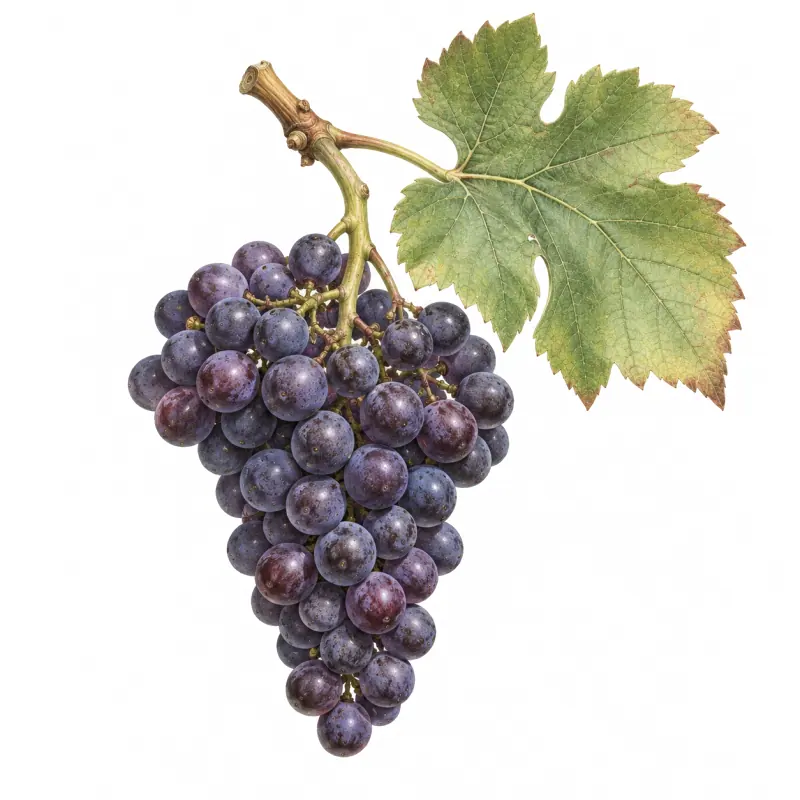
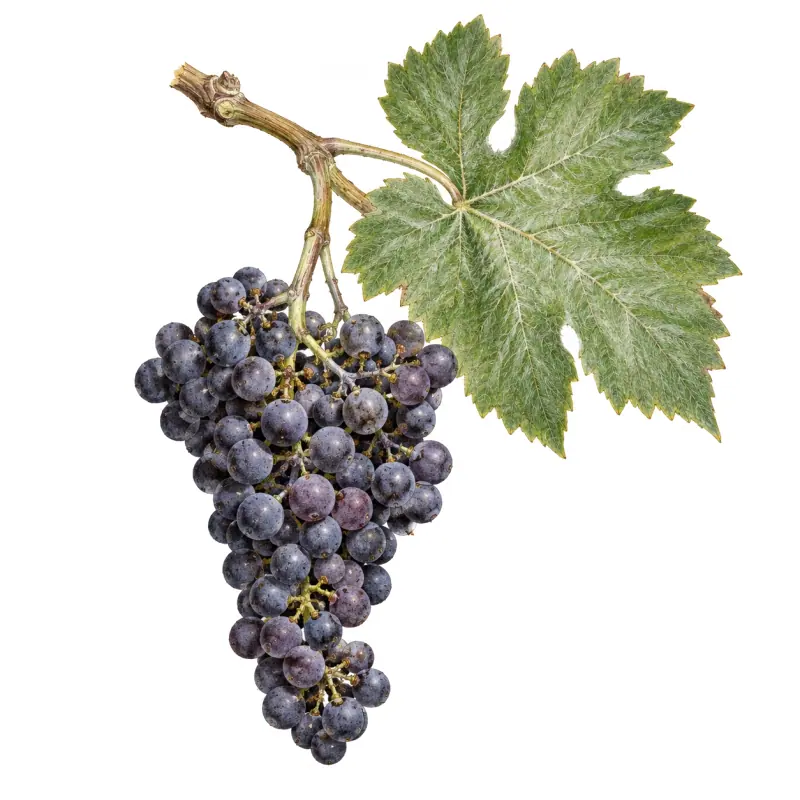
From 14 members to a PDO system
WineGB dates its own origins to 1967, when the English Vineyards Association was formed with 14 members and 12 associates; it later became the UK Vineyards Association. English Wine Producers was founded in 1997, and the two merged as WineGB in 2016. In December 2011 Defra published the specifications for English Wine PDO and English Regional Wine PGI, which the EU protected from 29 December 2011, and WineGB became administrator of the English and Welsh PDO and PGI schemes. Darnibole followed as a PDO in 2012. The Sussex PDO, applied for by Sussex producers, was registered on the UK geographical indications register on 5 July 2022 after two objections. WineGB now counts more than 1,000 vineyards in the UK.
High latitude, chalk and greensand
The English PDO covers the counties of England, Greater London and the Isles of Scilly, and only vines below 220 m qualify. The specification says all vineyards lie above 49.9° N, close to the limit for viticulture, with long daylight in the growing season, a temperate climate with few summer days above 30 °C and a high diurnal range. WineGB lists growers from Cornwall to Yorkshire and the Isle of Wight and highlights Sussex, Kent, Essex and Hampshire. The Sussex application describes most Sussex vineyards on the chalk of the South Downs, a Cretaceous ridge that is part of the same band as the Paris Basin, or on the greensands to the north. It says chalk stores an estimated 300–400 litres of water per cubic metre, and calls Sussex one of the driest and warmest parts of England, with 600–850 mm of rain and about 970 growing degree days from April to October.
Acidity from a long, cool season
The English PDO specification says the northerly latitude creates a long growing season and long daylight hours, which are key to strong aromatic flavours, and that moderate temperatures lead to crisp acidity; English wines are "typified by high acidity" for their styles. WineGB says the cool climate gives fresh wines with balance and complexity that are naturally lower in alcohol, and that grapes hang longer without becoming overripe. The Sussex application describes crisp lemon, citrus and green-apple acidity from Chardonnay and red berry and baked apple from the Pinots in its sparkling wines.
English PDO, PGI, Sussex and Darnibole
English PDO quality sparkling wine may be made only from Chardonnay, Pinot Noir, Pinot Noir Précoce, Pinot Meunier, Pinot Blanc and Pinot Gris, with a maximum yield of 80 hl/ha, at least 10% actual alcohol and at least 3.5 bar of pressure. Still PDO wine needs at least 8.5% actual alcohol (9% if enriched) and 4 g/l total acidity and may use a long list of varieties, from Bacchus and Ortega to Solaris and Regent; every PDO wine must pass analysis and a no-fault tasting. English Regional PGI covers wider regional wine. The Sussex PDO covers East and West Sussex; its application requires traditional-method sparkling wine with at least 11% alcohol and 6 g/l acidity. WineGB counts 99 varieties grown in the UK, says about 10% of sparkling wine is made by the Charmat or other methods, and that a third of the wines are still.
Classification
- English PDOStill and quality sparkling wine from England, vines below 220 m; sparkling only from six varieties.
- English Regional PGIRegional wine from England.
- Sussex PDO and Darnibole PDOSussex covers East and West Sussex (registered in the UK GI scheme on 5 July 2022); Darnibole is a small PDO protected since 2012.
How it connects
Grape variety
- grows Chardonnay
- grows Pinot Noir
- grows Meunier
Recipe
- origin Fish and chips
Continue exploring
- CountryUnited Kingdom97 entries in the atlas so far
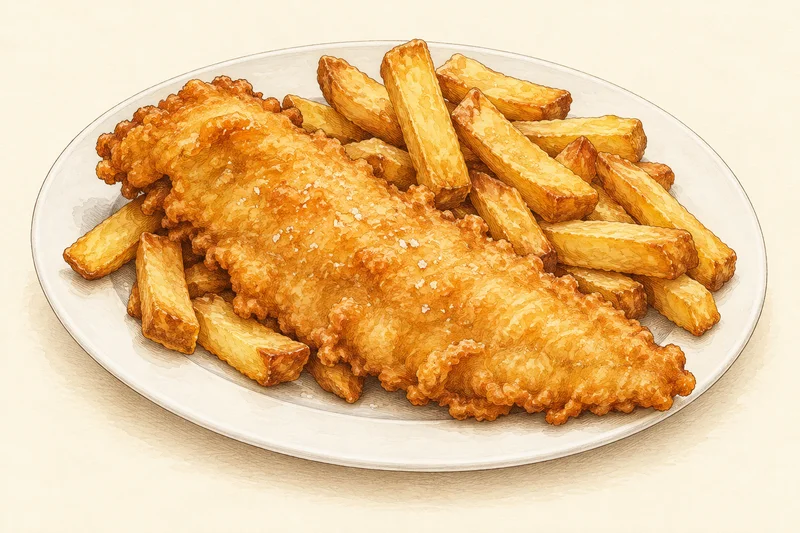 RecipeFish and chipsEngland, United Kingdom
- Grape varietyPinot Noir
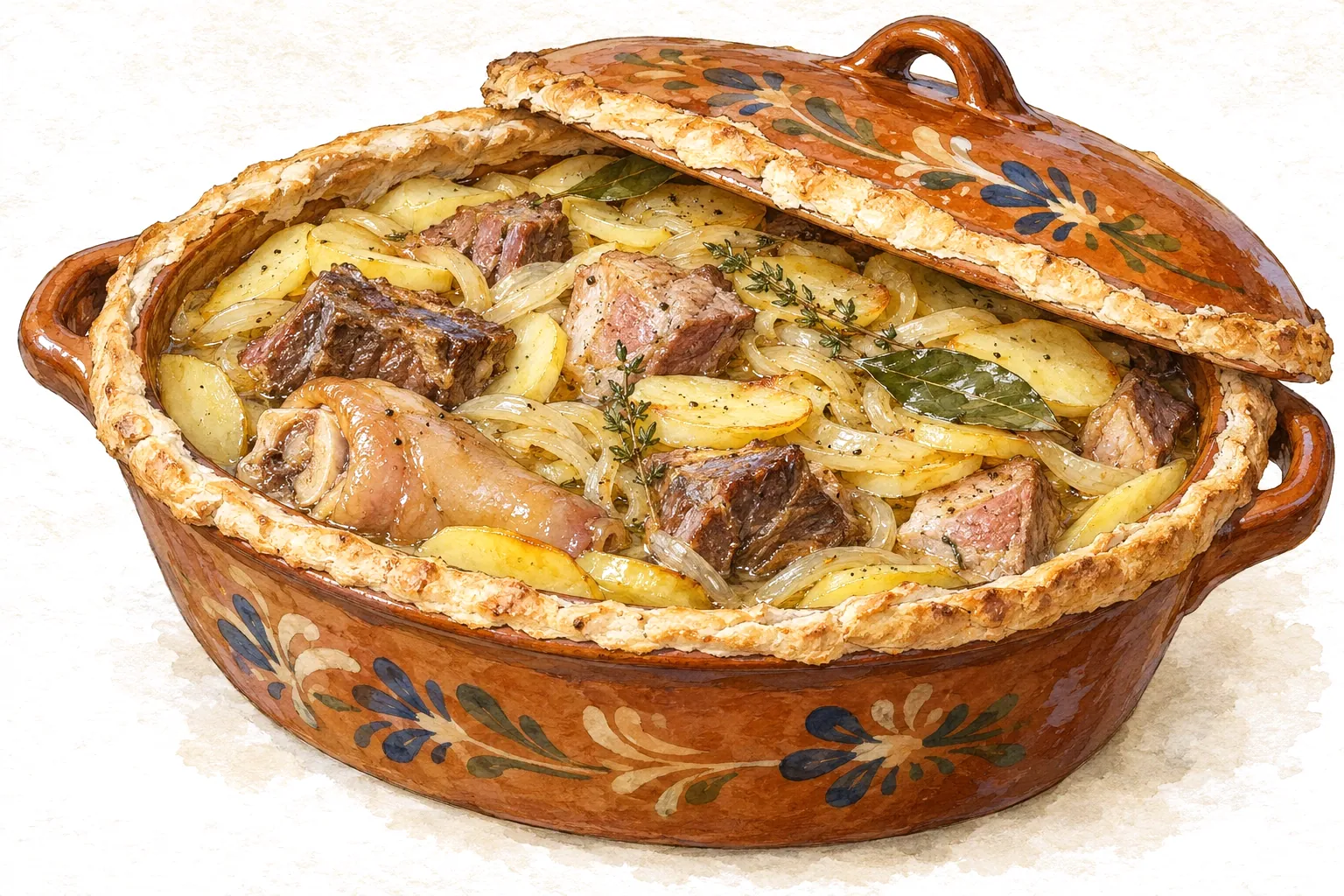 RecipeBaeckeoffeAlsace, France
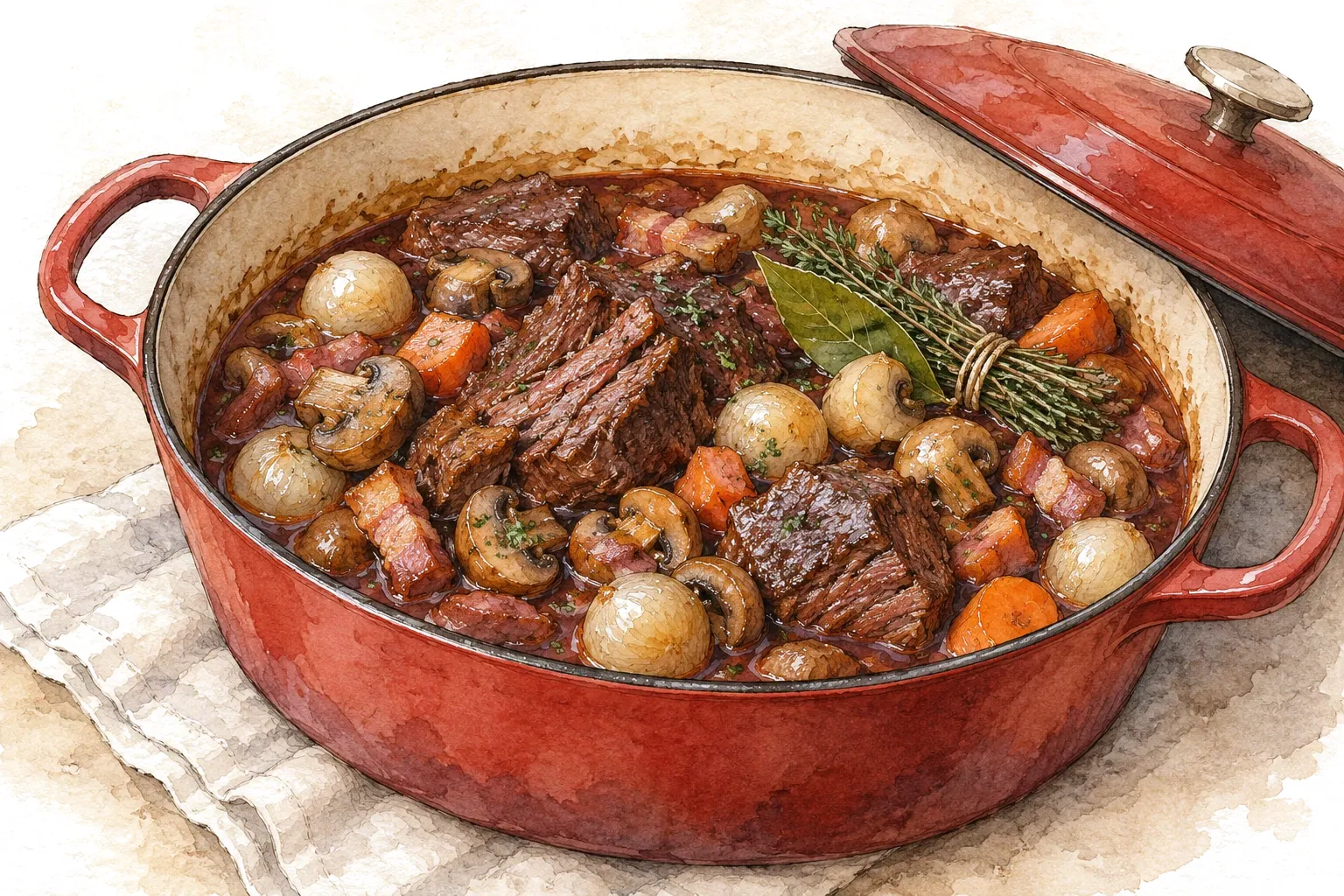 RecipeBœuf bourguignonDijon, France
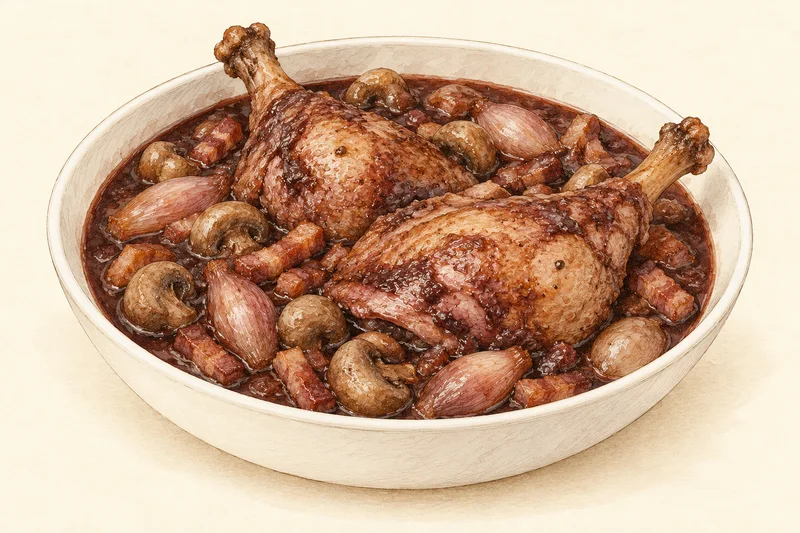 RecipeCoq au vinBurgundy, France
- Grape varietyChardonnay
- Grape varietyMeunier
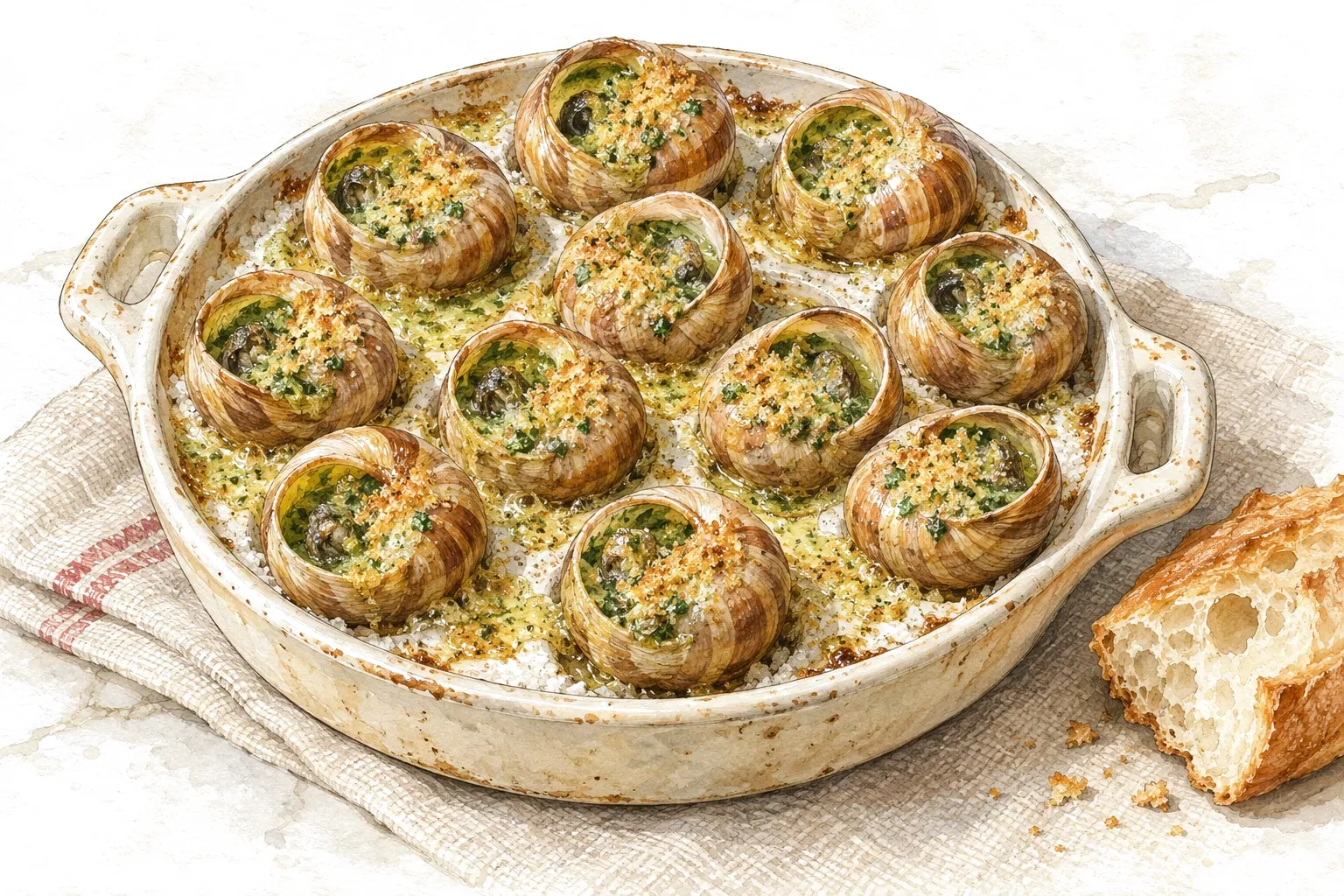 RecipeEscargots à la bourguignonneBurgundy, France
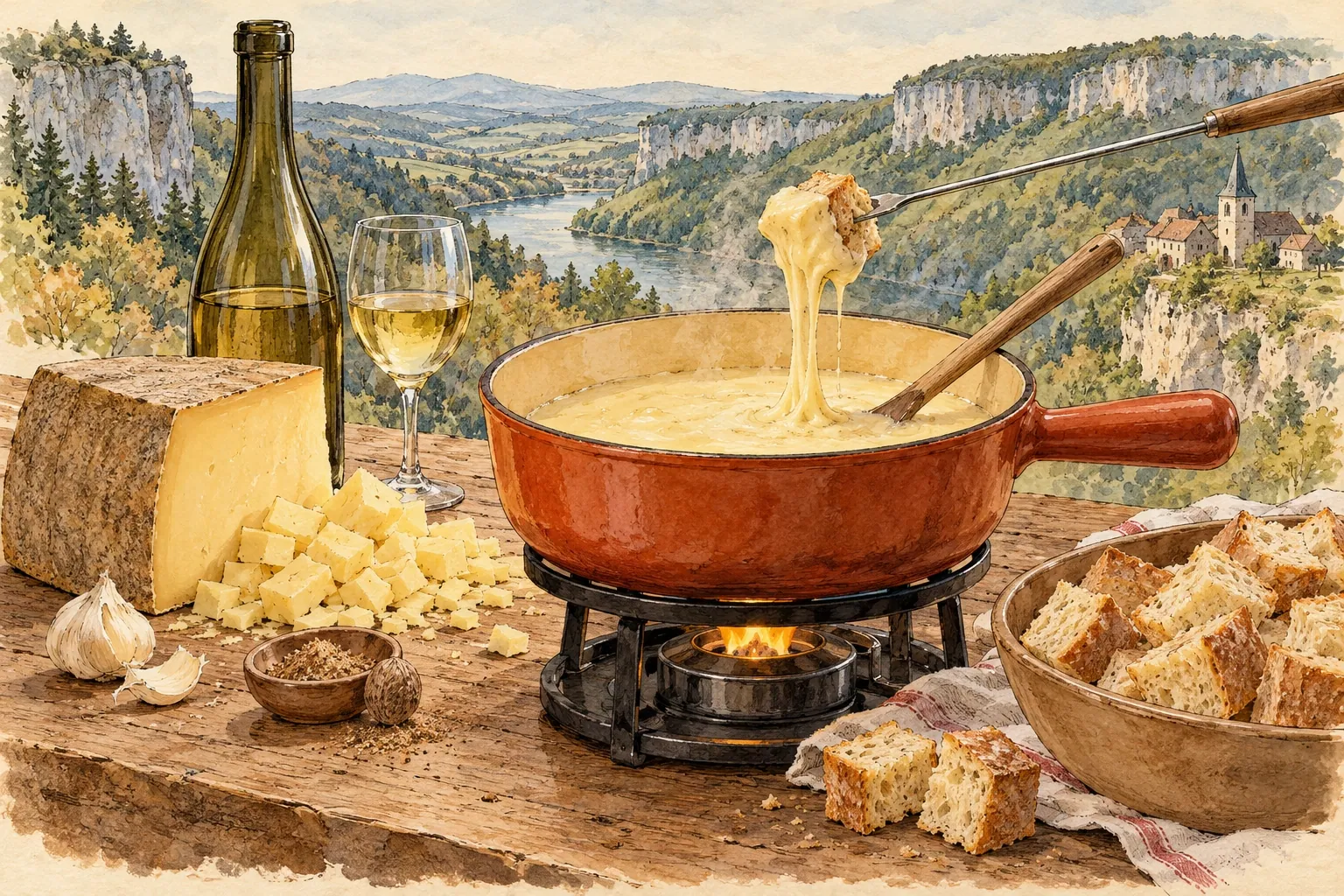 RecipeFondue au ComtéJura massif, Franche-Comté, France