
Wine · Wine region · Short entry
Champagne
Champagne
Champagne is a delimited wine region and sparkling-wine AOC in north-eastern France, spread over communes of the Aisne, Aube, Haute-Marne, Marne and Seine-et-Marne. Its vineyards lie on chalk, marl and limestone slopes of the eastern Paris Basin cuestas, under both oceanic and continental influences. Pinot Noir, Meunier and Chardonnay dominate, and the sparkle comes from a second fermentation in bottle.
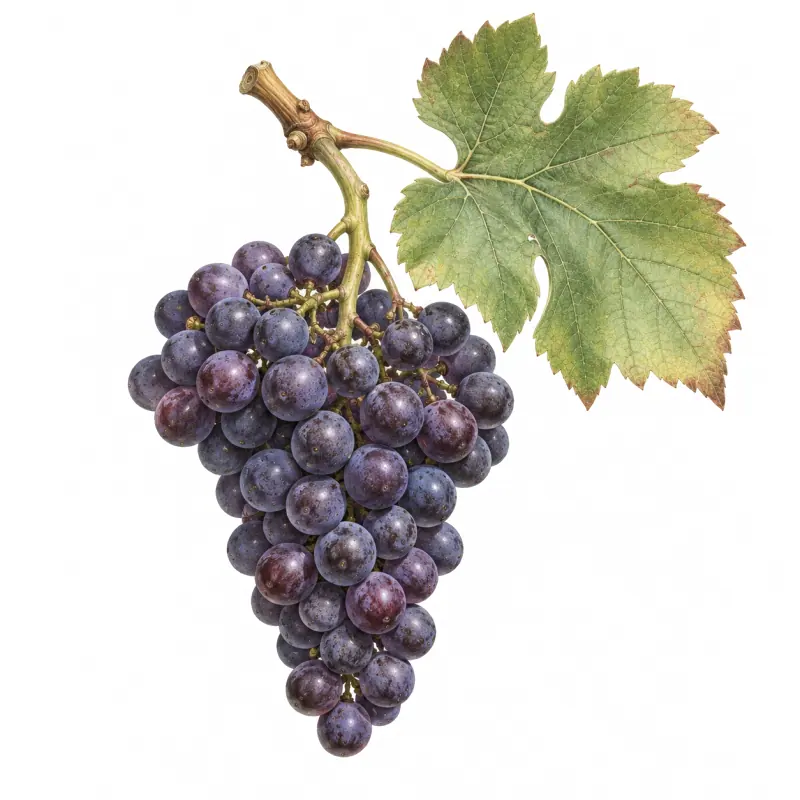
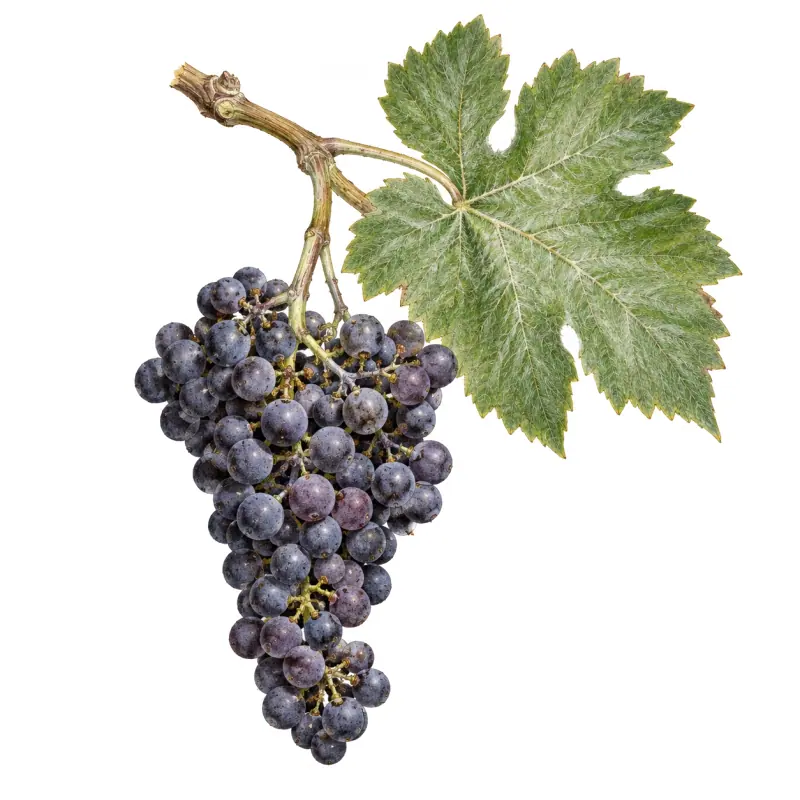
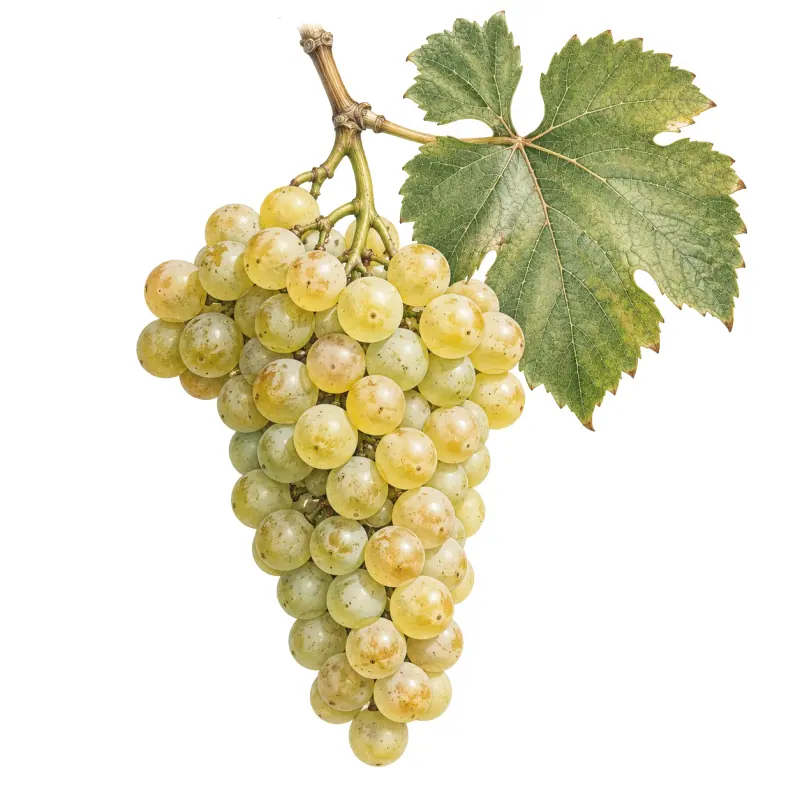
Monks, bubbles and the first protected name
The specification traces vines in Champagne to Antiquity and says they were well established by the ninth century through monastic viticulture. Naturally sparkling white wine was explored in the late seventeenth century: the abbé de Chaulieu's poems of 1700 mention a "saute-bouchon", and in 1718 canon Godinot described white wines "clear as tears" made from black grapes pressed soon after picking. Producers began bottling rather than shipping in casks, and the wine became a favourite of the Regent's court, Louis XV and Madame de Pompadour.
As the method spread, the name was used elsewhere. The houses' union, formed in 1882, went to court, and on the eve of the fraud law of 1 August 1905 case law reserved "Champagne" for wine from Champagne grapes, the first protection of an appellation of origin. Delimitation began in 1908. The AOC decree is dated 29 June 1936, and the Comité Interprofessionnel du Vin de Champagne was created by law on 12 April 1941.
Cuestas, chalk and two climates
Vineyards lie on the slopes of three cuestas of the eastern Paris Basin: the Côte d'Ile-de-France, with the Montagne de Reims, the Marne valley, the Côte des Blancs and the Côte du Sézannais; the Côte de Champagne, with the Vitryat and Montgueux; and the Côte des Bar in the Aube and Haute-Marne. Hard limestone or chalk forms the scarp fronts; the softer slopes of chalk, marl or sand carry colluvium from above. The Comité Champagne gives outcropping sediments as 75% calcareous; chalk, made of marine micro-fossils, holds 300 to 400 litres of water per cubic metre. Slopes average 12% and reach 59%, mostly facing south, south-east and east.
The climate combines oceanic influence, with regular rain and mild seasonal contrasts, and continental influence, with summer sun and frosts that can fall below -10 °C. The mean is 11 °C. Reims lies at 49°5' N, near the northern limit of vine growing.
Acidity, the common thread
The specification attributes Champagne's natural acidity, the source of its freshness and ageing ability, to its climate. Open slopes give enough light even facing north, drain naturally and limit frost. Chalk drains excess water and rehydrates the soil by capillarity in dry weather; marls hold reserves. The subsoil guided grape choices: the Comité Champagne places Chardonnay mainly on the Côte des Blancs and Côte de Sézanne, Pinot Noir on the Montagne de Reims, the eastern Marne valley and the Côte des Bar, and Meunier in the western Marne valley. Young wines show white flowers and fruit, citrus and minerality; mature ones, yellow and cooked fruit and spice; the oldest, candied fruit, undergrowth and roast notes. The mousse is lively in youth and creamier with age.
Bubbles and different styles
Champagne is reserved for white or rosé sparkling wine, from one or several communes, vintage or non-vintage. The principal grapes are Arbane, Chardonnay, Chardonnay Rose, Meunier, Petit Meslier, Pinot Blanc, Pinot Gris and Pinot Noir, at least 95% of plantings, with Voltis allowed up to 5% under agreement. The base yield is 12,400 kg of grapes per hectare, and 160 kg may give at most 102 litres of must, pressed gently and divided into cuvée and taille. Rosé is made by blending white and red wine or by maceration or saignée.
Disgorging may not take place until 12 months after tirage; wines are sold after at least 15 months, vintage wines after 36. Seventeen Marne communes may use grand cru and 42 more premier cru. The Comité Champagne recommends serving at 8–10 °C.
Classification
- Grand cruWines from 17 Marne communes, including Ambonnay, Avize, Ay, Bouzy, Cramant, Le Mesnil-sur-Oger and Verzenay.
- Premier cruWines from those 17 communes and 42 others named in the specification.
How it connects
Grape variety
- grows Pinot Noir
- grows Meunier
- grows Chardonnay
Continue exploring
- CountryFrance162 entries in the atlas so far
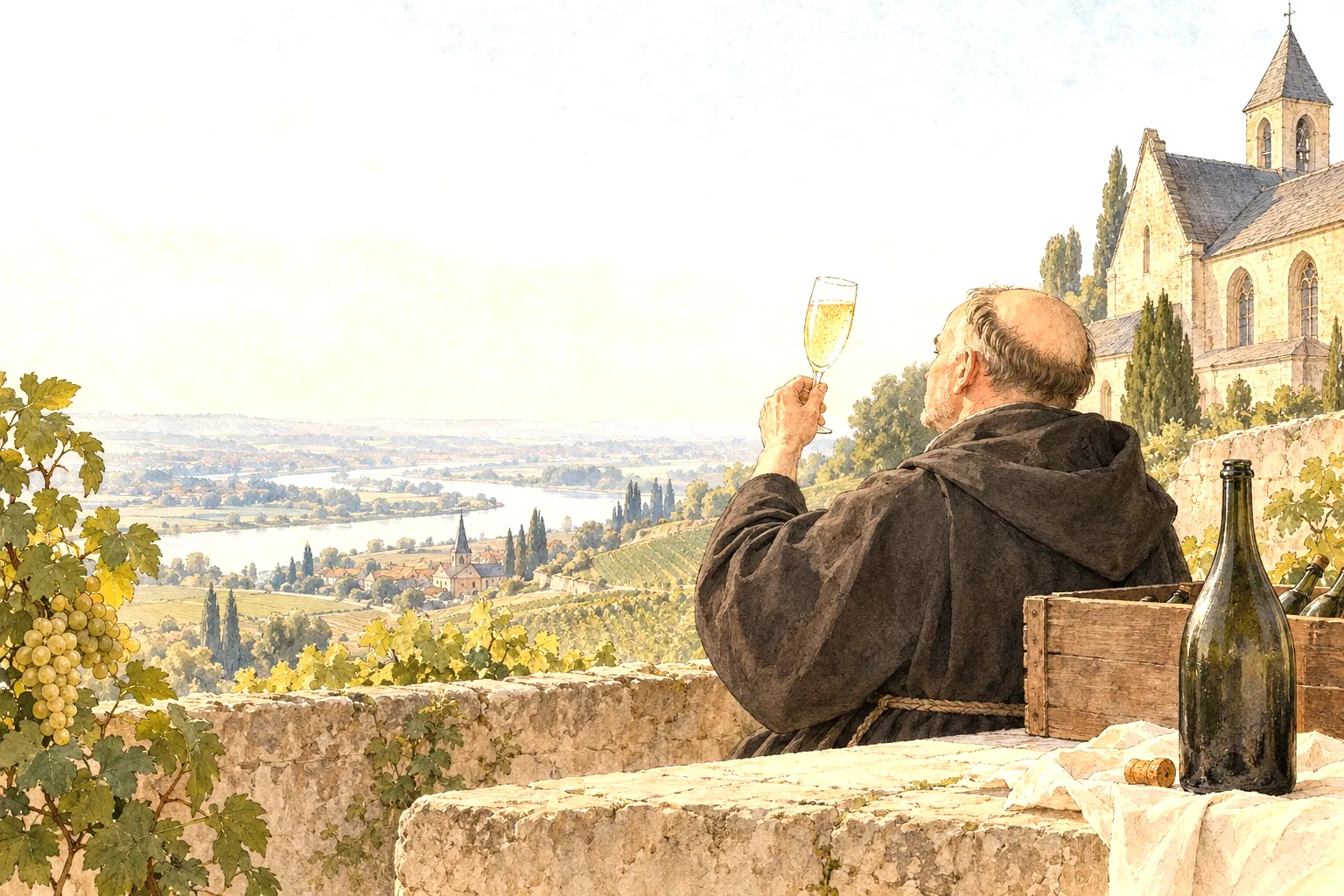 StoryDid Dom Pérignon invent Champagne?Hautvillers, France
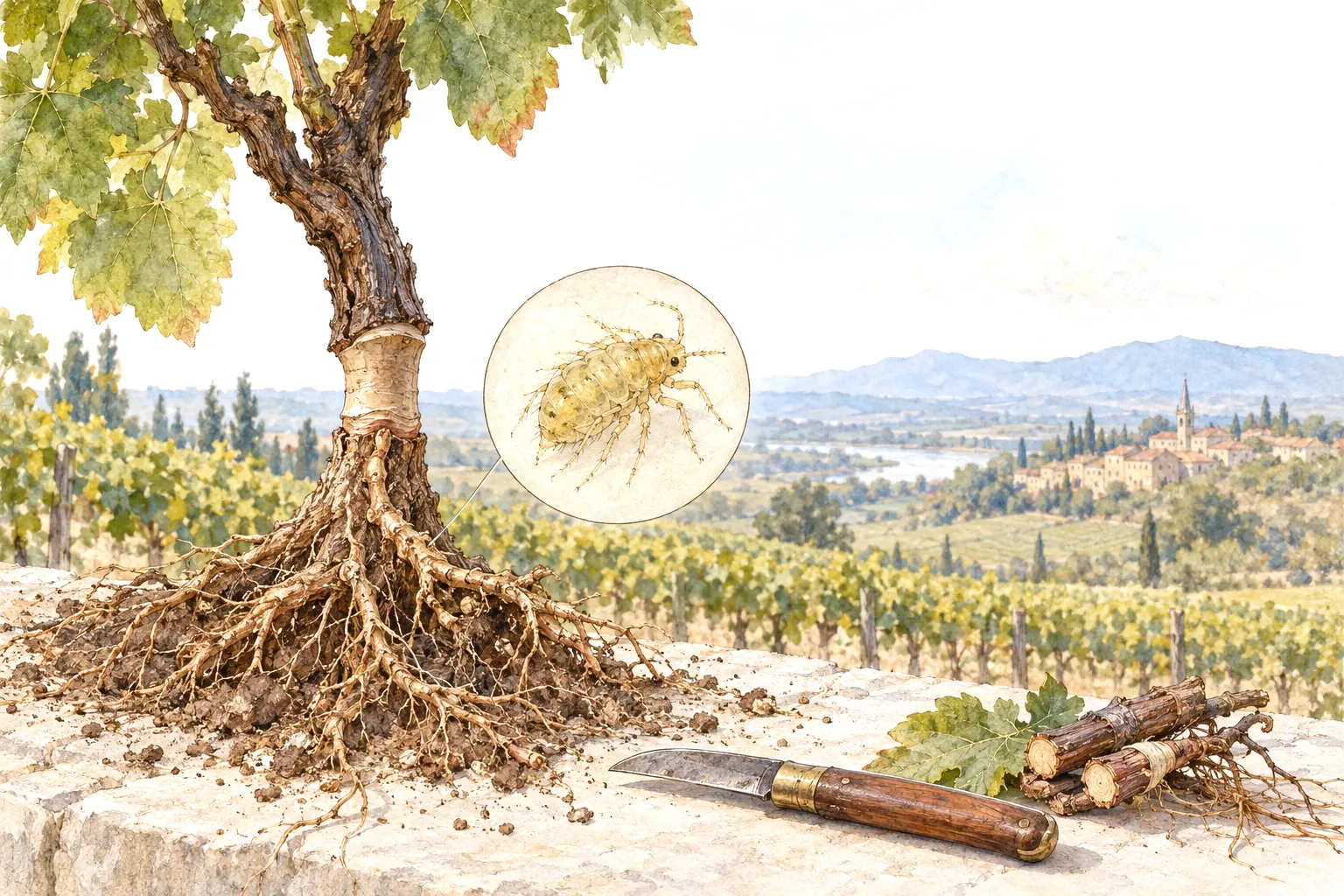 StoryPhylloxera: the insect that remade the vineyards of the worldFrance
- Grape varietyPinot Noir
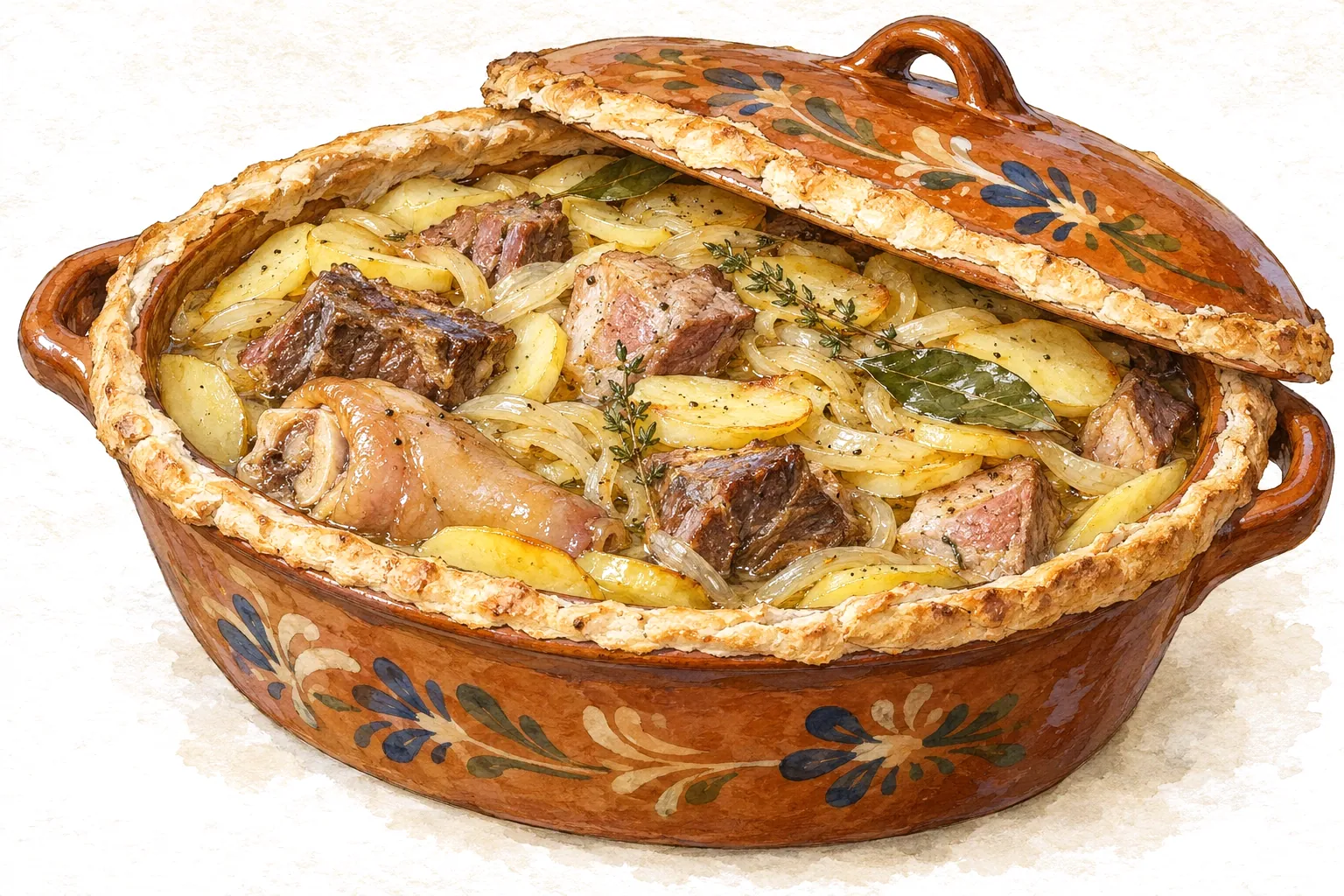 RecipeBaeckeoffeAlsace, France
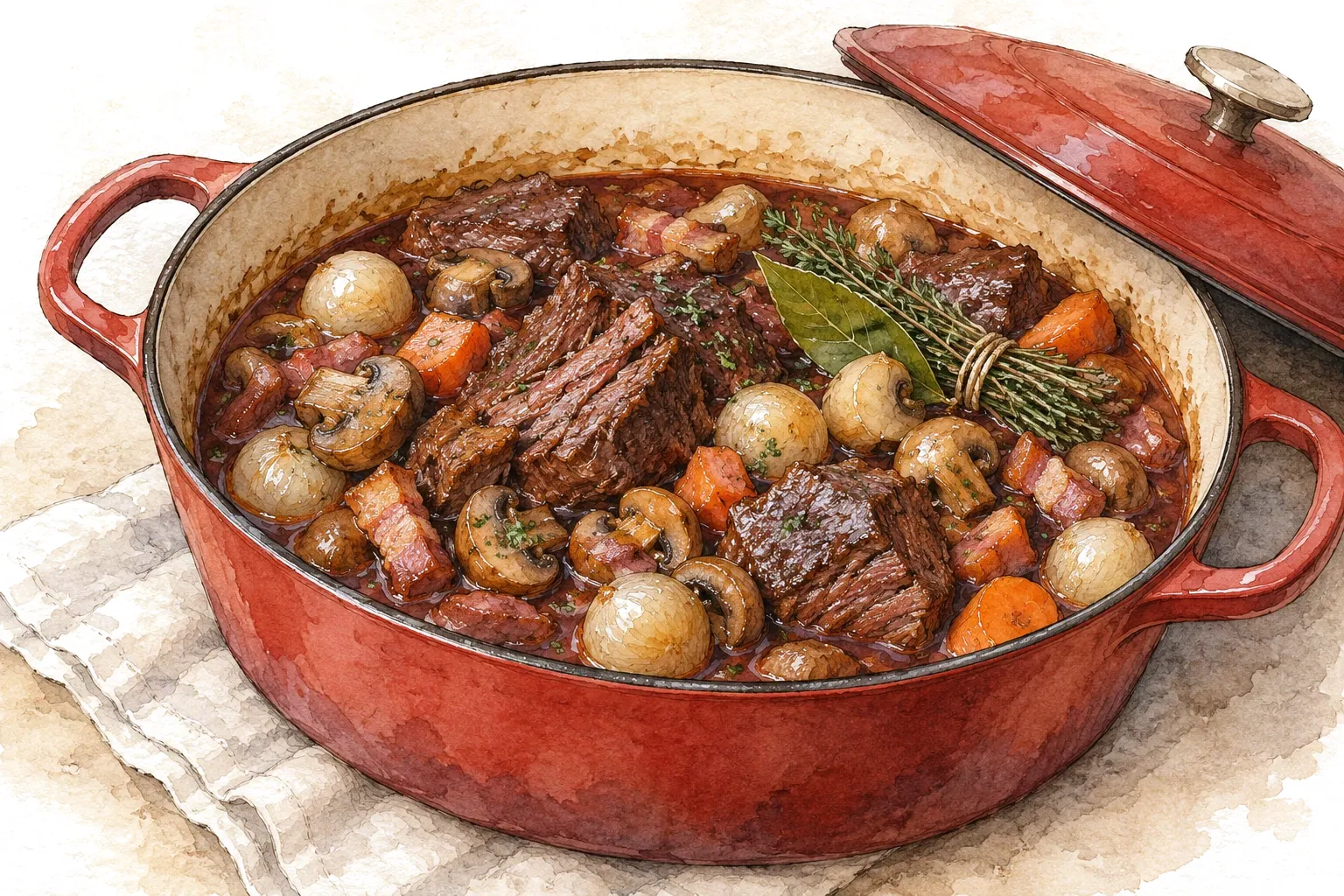 RecipeBœuf bourguignonDijon, France
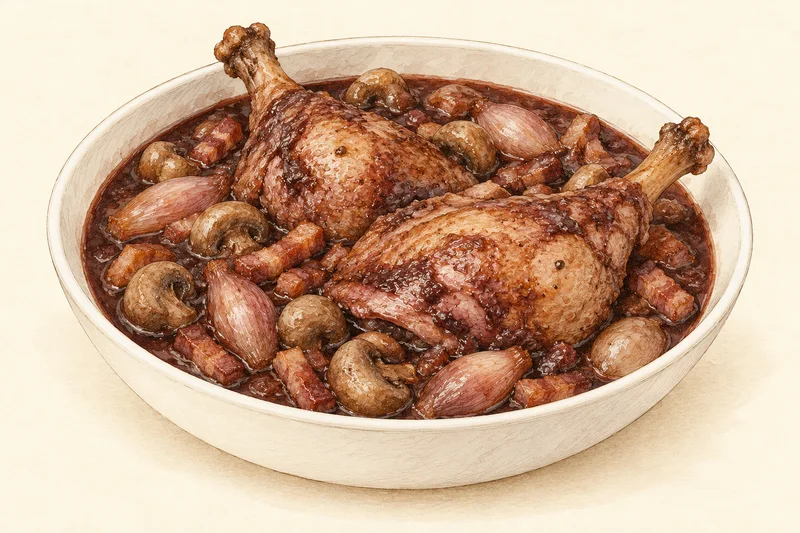 RecipeCoq au vinBurgundy, France
- Grape varietyChardonnay
- Grape varietyMeunier
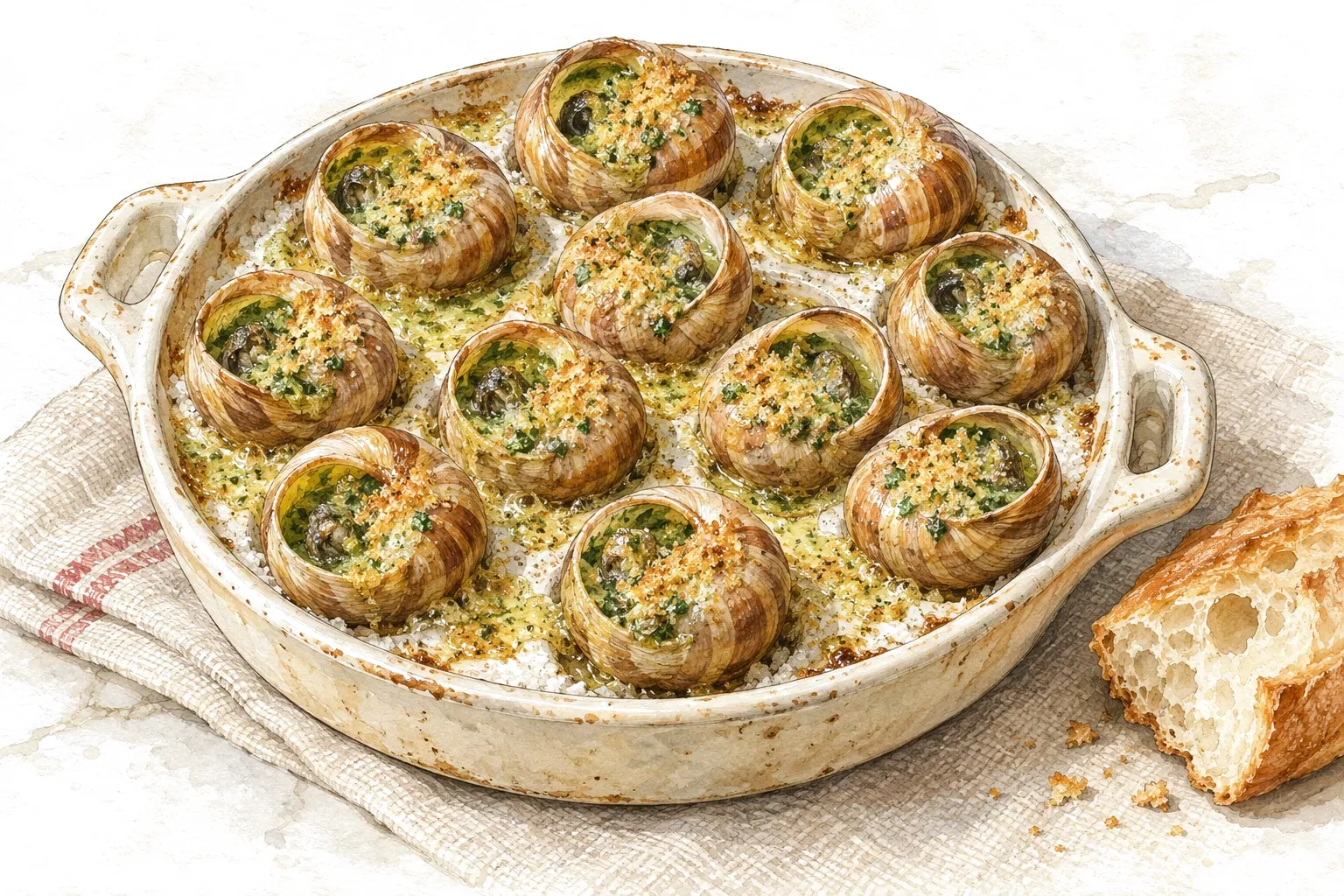 RecipeEscargots à la bourguignonneBurgundy, France