
Wine · Wine region · Short entry
Chambolle-Musigny
Chambolle-Musigny
Chambolle-Musigny is a Côte de Nuits appellation for red Pinot Noir only, one of the first French appellations, set into law in September 1936. Its vines grow on thin soil over fissured Jurassic limestone. Its village and Premier Cru wines share a landscape with the separately named Grand Crus Musigny and Bonnes-Mares.
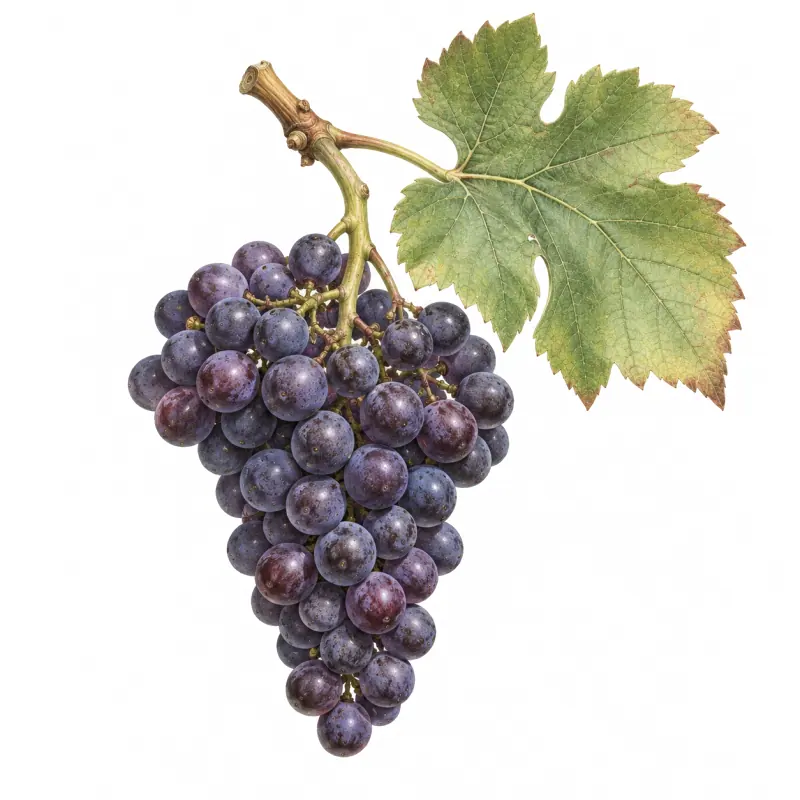
A village of Cîteaux
The BIVB describes Chambolle-Musigny as a small village of the Côte de Nuits that was once a dependency of the abbey of Cîteaux. The Cistercian order, founded with Cîteaux in 1098, held land on the Côte de Nuits and the Côte de Beaune, and its monks recorded which plots gave the best wine.
Two Grand Crus are grown here: Bonnes-Mares, which links Chambolle's vineyards to those of Morey-Saint-Denis, and Musigny, above the Clos de Vougeot. Among the Premiers Crus, Les Amoureuses is the best known. Chambolle-Musigny was in the first group of Burgundy appellations adopted on 23 and 24 July 1936 and set into law on 11 September 1936, together with Gevrey-Chambertin, Vosne-Romanée, Nuits-Saint-Georges, Beaune, Pommard and others.
Soil, slope and climate
The slope faces east at 250–300 m. The BIVB sheet describes only a shallow covering of soil over the parent rock, but fissures in the hard Jurassic limestone let roots reach deep into the subsoil. Boulders and gravels in the valley bottom give good drainage. Thin soils and fractured rock dominate higher on the hillside, with deeper gravelly material lower down. The vineyards occupy a narrow corridor between Morey-Saint-Denis and Vougeot, and individual climats differ in slope position and soil depth.
For the Côte de Nuits the BIVB describes a continental climate with hot summers and dry autumns. Burgundy as a whole receives about 700 mm of rain a year, mostly in May and June, and about 1,300 hours of sunshine between April and September.
What the place gives the wine
The BIVB sheet describes a bright ruby wine with a bouquet of violet and small red fruit (raspberry, strawberry), moving with age toward spiced ripe fruit and prune, or truffle, forest floor and animal notes. It stresses delicacy and elegance: a silky texture and silky-smooth tannins over a solid, lasting structure, with little sense of acidity. The sheet also describes a range from open, fragrant examples to firmer wines shaped by their sites.
Grapes and classification
The appellation is for red Pinot Noir only, from the commune of Chambolle-Musigny. It includes 24 Premier Cru climats, Les Amoureuses among them; the names Chambolle-Musigny and Chambolle-Musigny Premier Cru may be followed by the climat. Musigny and Bonnes-Mares are separate Grand Cru appellations. In 2022 the BIVB recorded 152.64 ha, including 56.33 ha of Premier Cru.
How it connects
Wine region
Grape variety
- grows Pinot Noir
Continue exploring
- CountryFrance162 entries in the atlas so far
- Grape varietyPinot Noir
- Wine regionCôte de NuitsNuits-Saint-Georges, France
 RecipeBaeckeoffeAlsace, France
 RecipeBœuf bourguignonDijon, France
 RecipeCoq au vinBurgundy, France
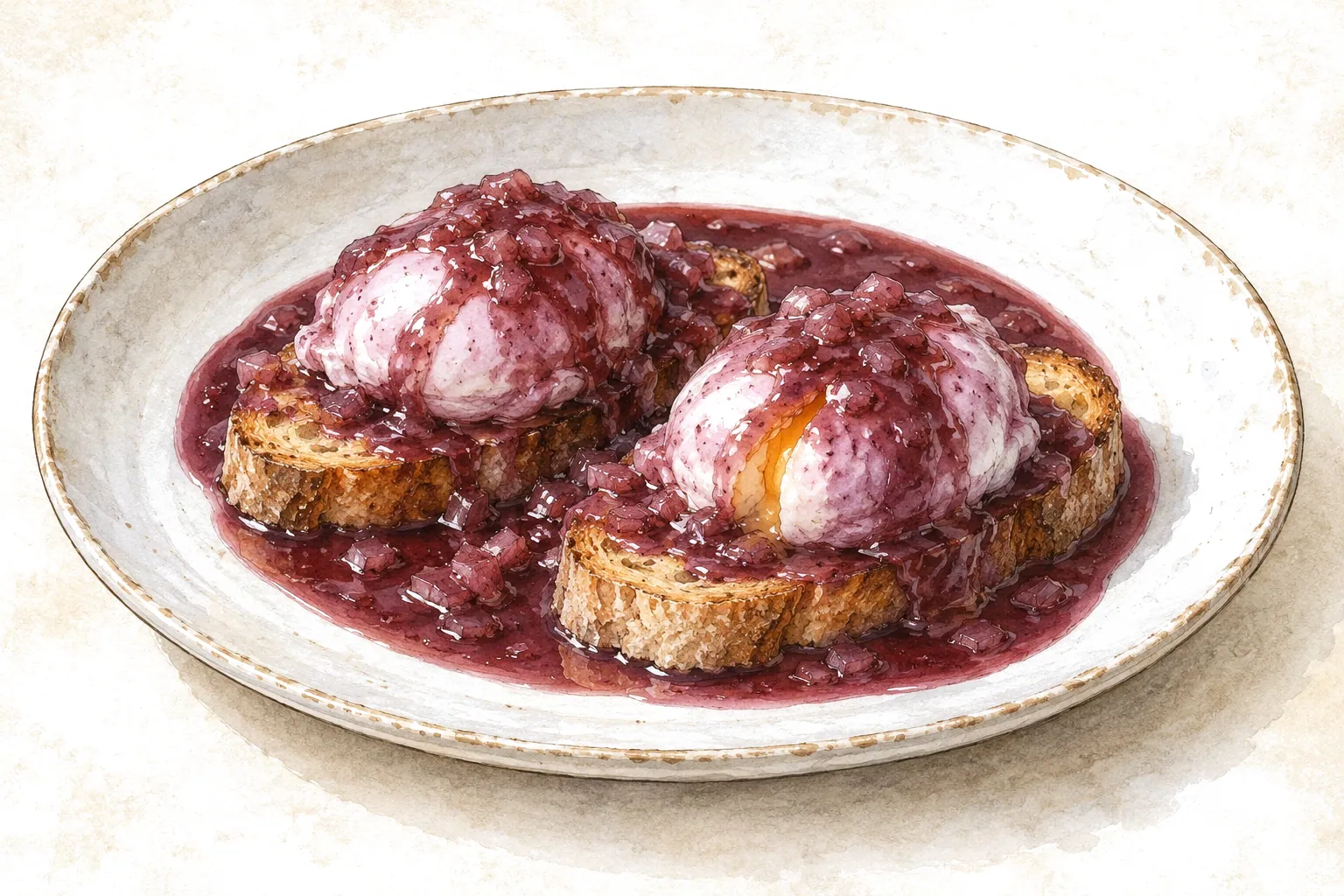 RecipeŒufs en meuretteBurgundy, France
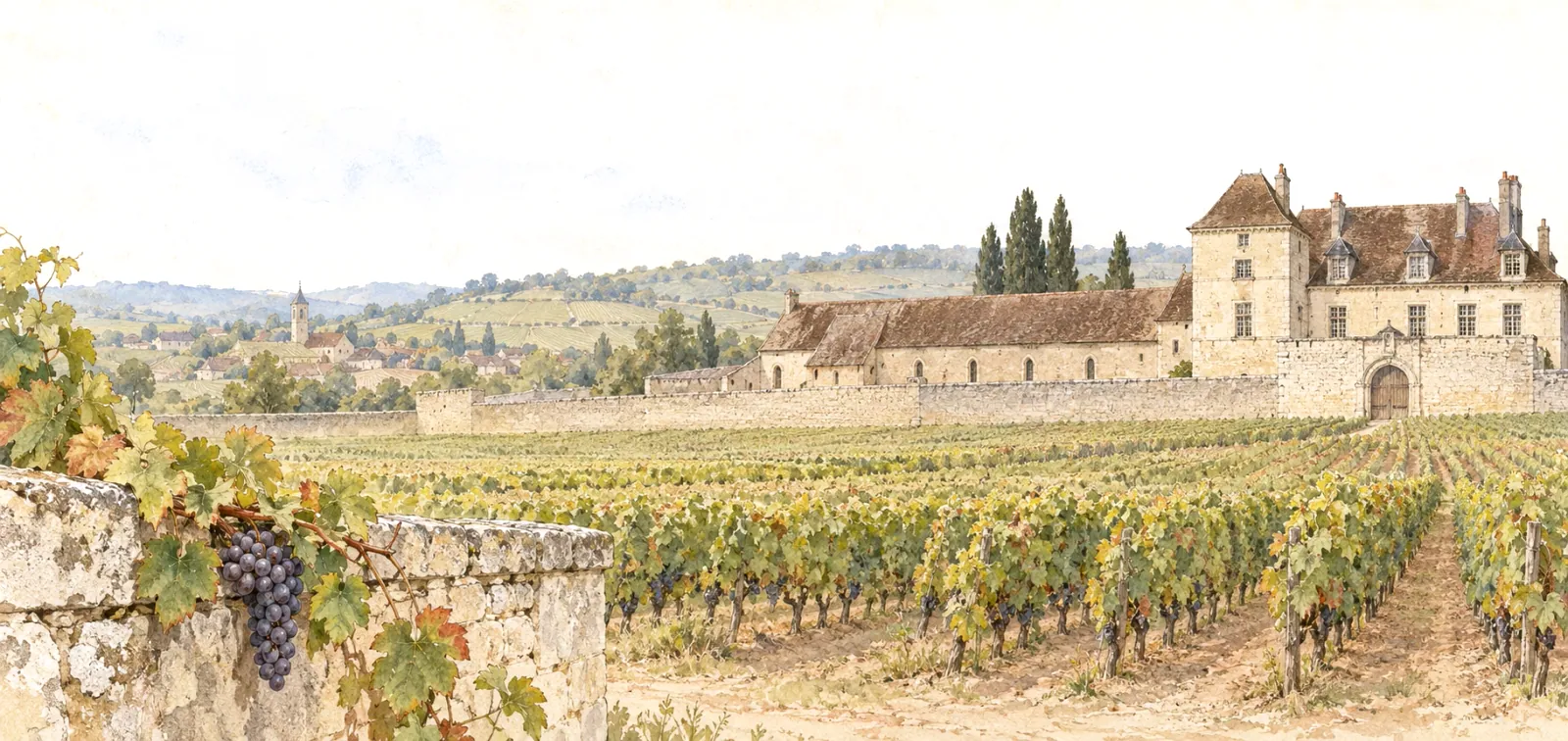 StoryThe Cistercians and the Clos de VougeotVougeot, France
 StoryDid Dom Pérignon invent Champagne?Hautvillers, France
- Wine regionAlto AdigeBolzano, Italy