Wine · Wine region · Short entry
Chablis
Chablis
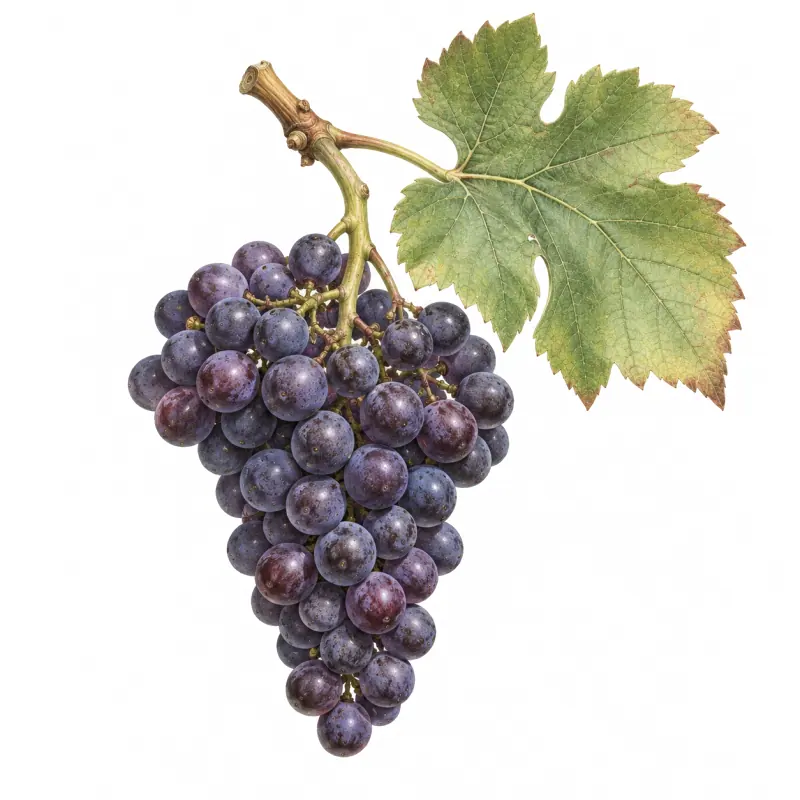
Chablis is a northern Burgundy appellation for dry white wine made only from Chardonnay. Its vineyards line the Serein valley in the Yonne, on Upper Jurassic marls full of small fossil oysters. The legal rules describe the wine as lively, fruity and mineral, with a frost-prone, cool oceanic climate behind that character.
Monks, merchants and court cases
The BIVB dates the first vines here to the Roman period. The legal specification records a monastery founded at Chablis in 510 and given in 867 to the monks of Saint-Martin de Tours, who fled the Viking raids on the Loire and appear to have planted vines near the village. In 1114 the Cistercians founded the abbey of Pontigny nearby and built a cellar in Chablis, the "Petit Pontigny", which still stands. A gift to Pontigny in 1186 already describes a wine that was "white and long-keeping".
Phylloxera, downy mildew and powdery mildew hit the area hard, and replanting only gathered pace in the second half of the twentieth century, helped by mechanisation and frost protection. Growers formed a syndicate in 1908 against misuse of the name, and the La Chablisienne cooperative followed in 1923. After a series of judgments from 1920 to 1932, Chablis was recognised as an appellation d'origine contrôlée by the decree of 13 January 1938.
Fossil marl, cold valleys
The vineyards follow the Serein, a tributary of the Yonne, east of Auxerre. They lie on the Côte des Bars, a cuesta of Upper Jurassic rock: hard Calcaire du Barrois limestone forms a wooded cornice above long slopes of compact marl, the "Marnes à Exogyra virgula", named after the small comma-shaped oysters they contain. A lower limestone, the Calcaire à Astartes, makes a small step near the valley floor. In 1904 Georges Chappaz noted the fossil oysters and classed the subsoil as Kimmeridgian. Scree usually covers the marl and drains and warms well. The slope is 120–130 m high and the plateau stays below 320 m.
The climate is oceanic with continental influences: about 650 mm of rain a year at Auxerre and a mean of 10.8 °C. Winter and spring frosts are a serious risk, increased by the enclosed valleys, and growers protect vines by spraying water or heating the plots.
What the place gives the wine
The specification describes Chablis as a dry white wine, lively and fruity, marked by minerality, which gains aromatic complexity with age while its acidity keeps it fresh. It attributes this lively, mineral character to the cool oceanic climate, and notes that each vintage shows strongly in the wine. The BIVB sheet gives a pale gold or green-gold colour and aromas of flint, green apple and lemon. Premier Cru wines can be fruitier or more mineral depending on the site; the specification says they reach their best after 8–10 years.
Grapes and appellations
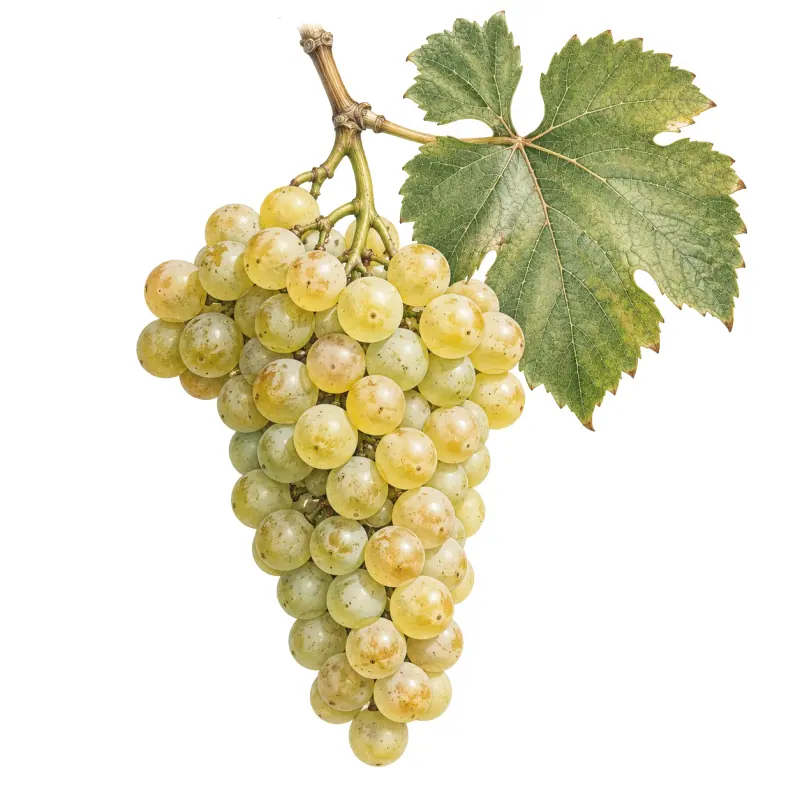
Chablis is made only from Chardonnay. The appellation system distinguishes Petit Chablis, Chablis, Chablis Premier Cru and Chablis Grand Cru, each with its own delimited area. Premier Cru covers 40 climats, which may be grouped under 17 main names; the historic ones lie on the right bank of the Serein. Chablis Grand Cru is a separate appellation, also recognised in 1938, made from seven climats on one slope beside the town: Blanchot, Bougros, Grenouilles, Les Clos, Preuses, Valmur and Vaudésir. In 2022 the BIVB recorded 3,715.99 ha of Chablis and 772.32 ha of Chablis Premier Cru.
How it connects
Wine region
- in Burgundy
Grape variety
- grows Chardonnay
Recipe
- related Escargots à la bourguignonne
- pairs with Gougères
Continue exploring
- CountryFrance162 entries in the atlas so far
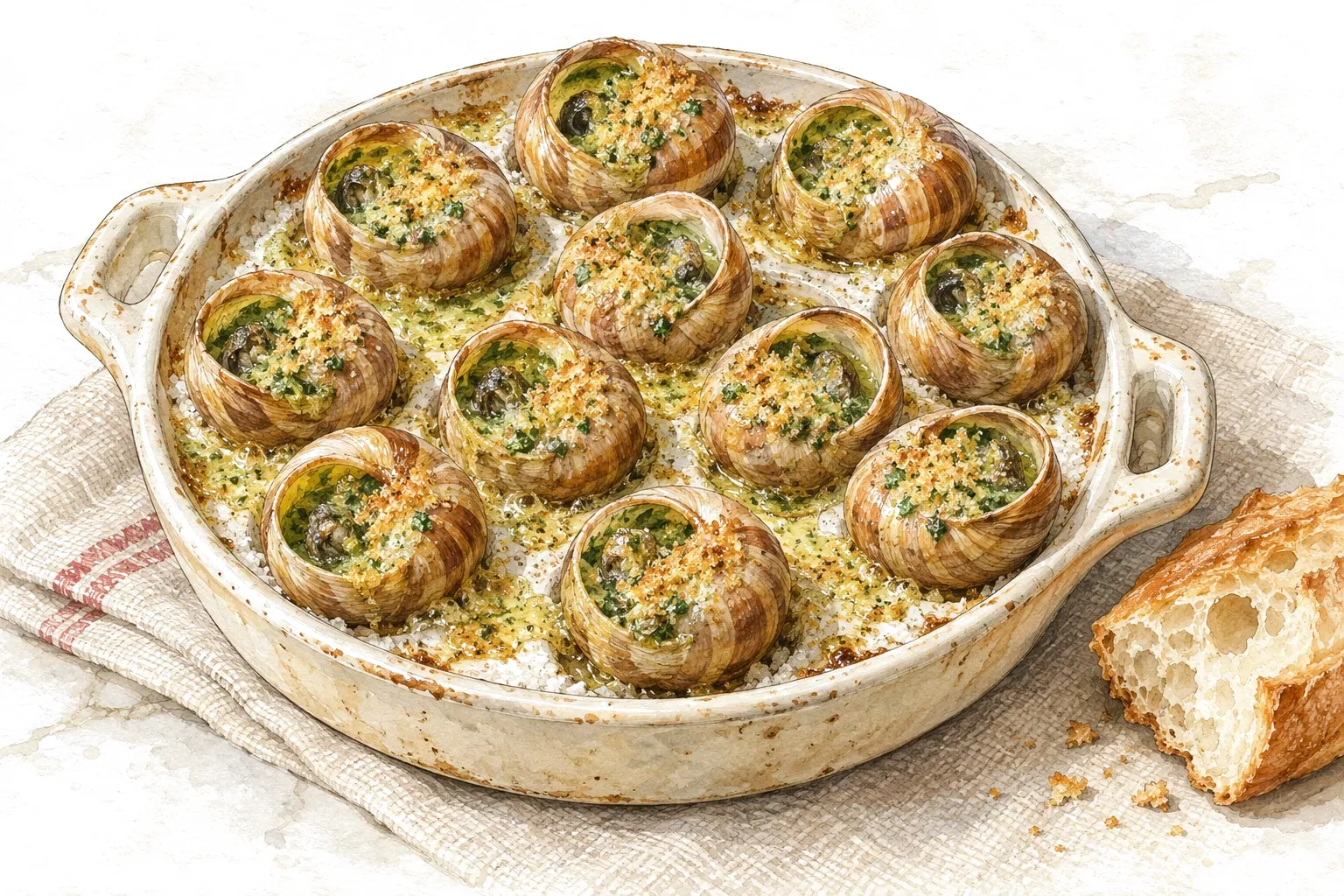 RecipeEscargots à la bourguignonneBurgundy, France
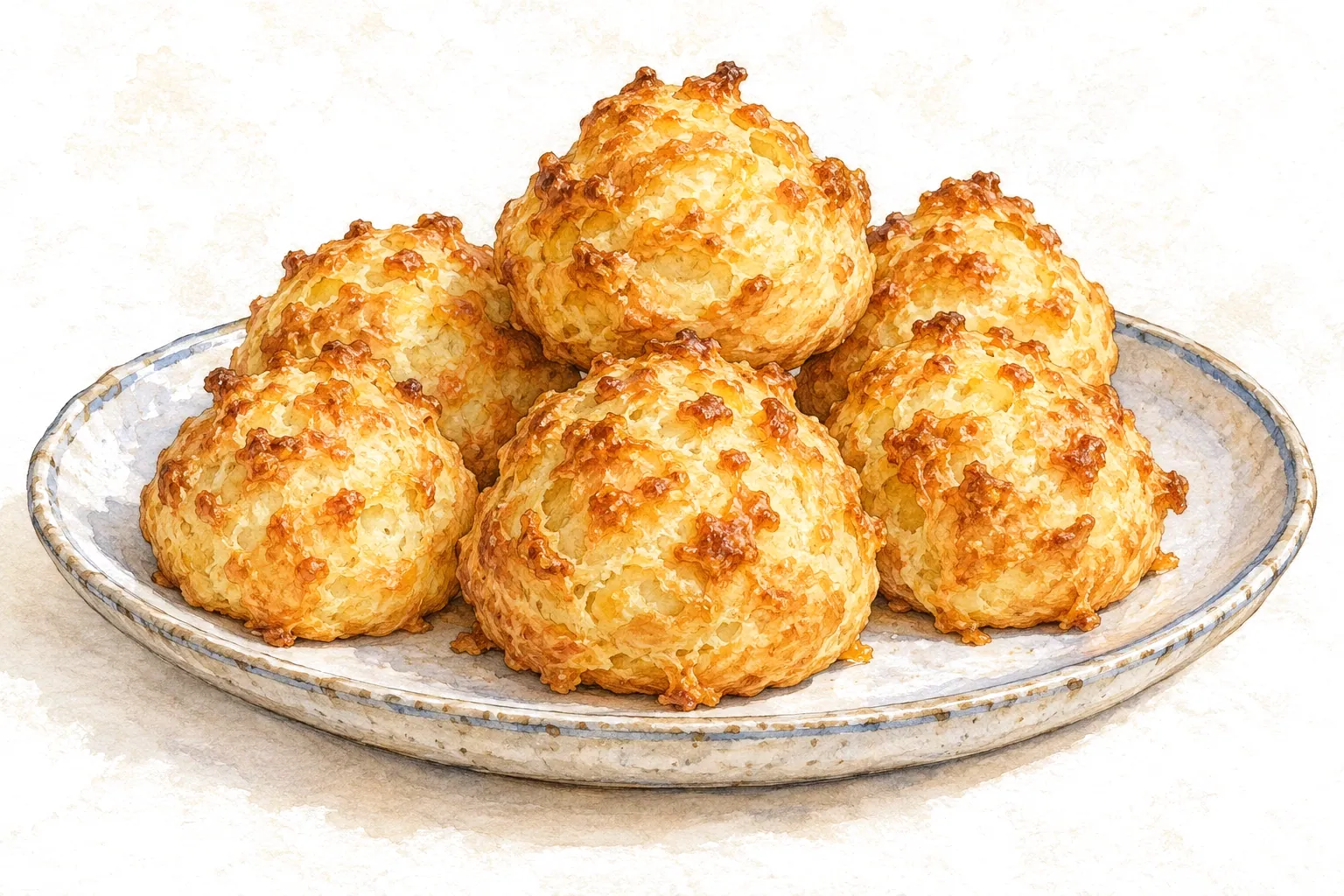 RecipeGougèresBurgundy, France
- Wine regionBurgundyBeaune, France
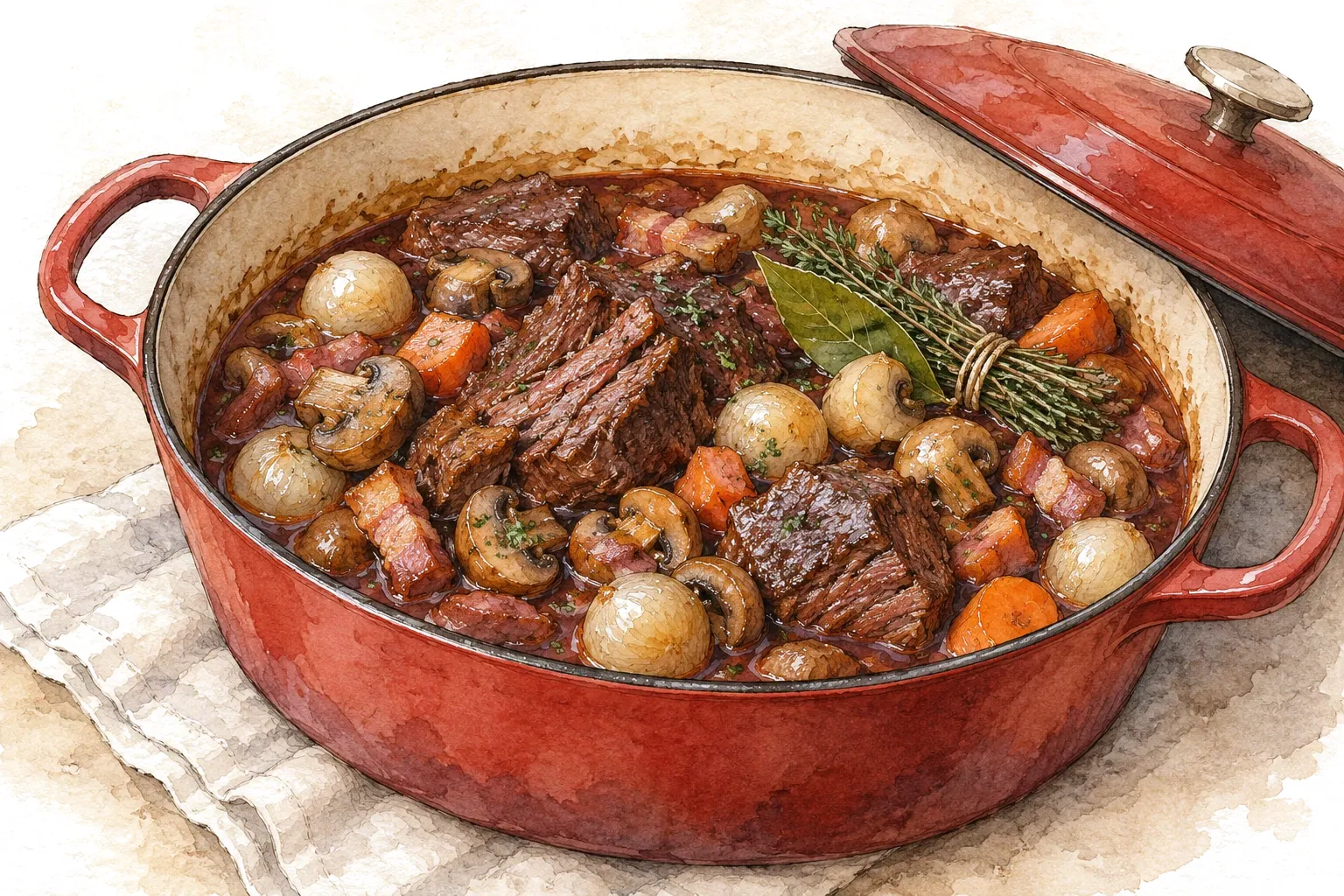 RecipeBœuf bourguignonDijon, France
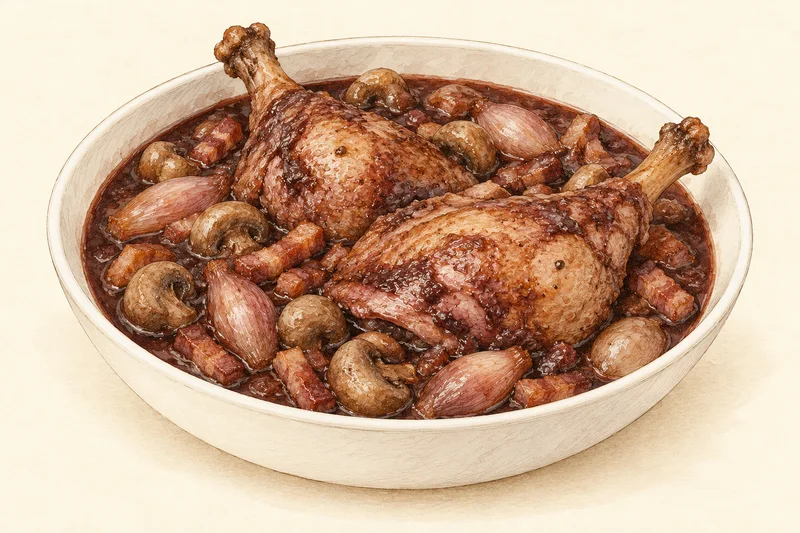 RecipeCoq au vinBurgundy, France
- Grape varietyChardonnay
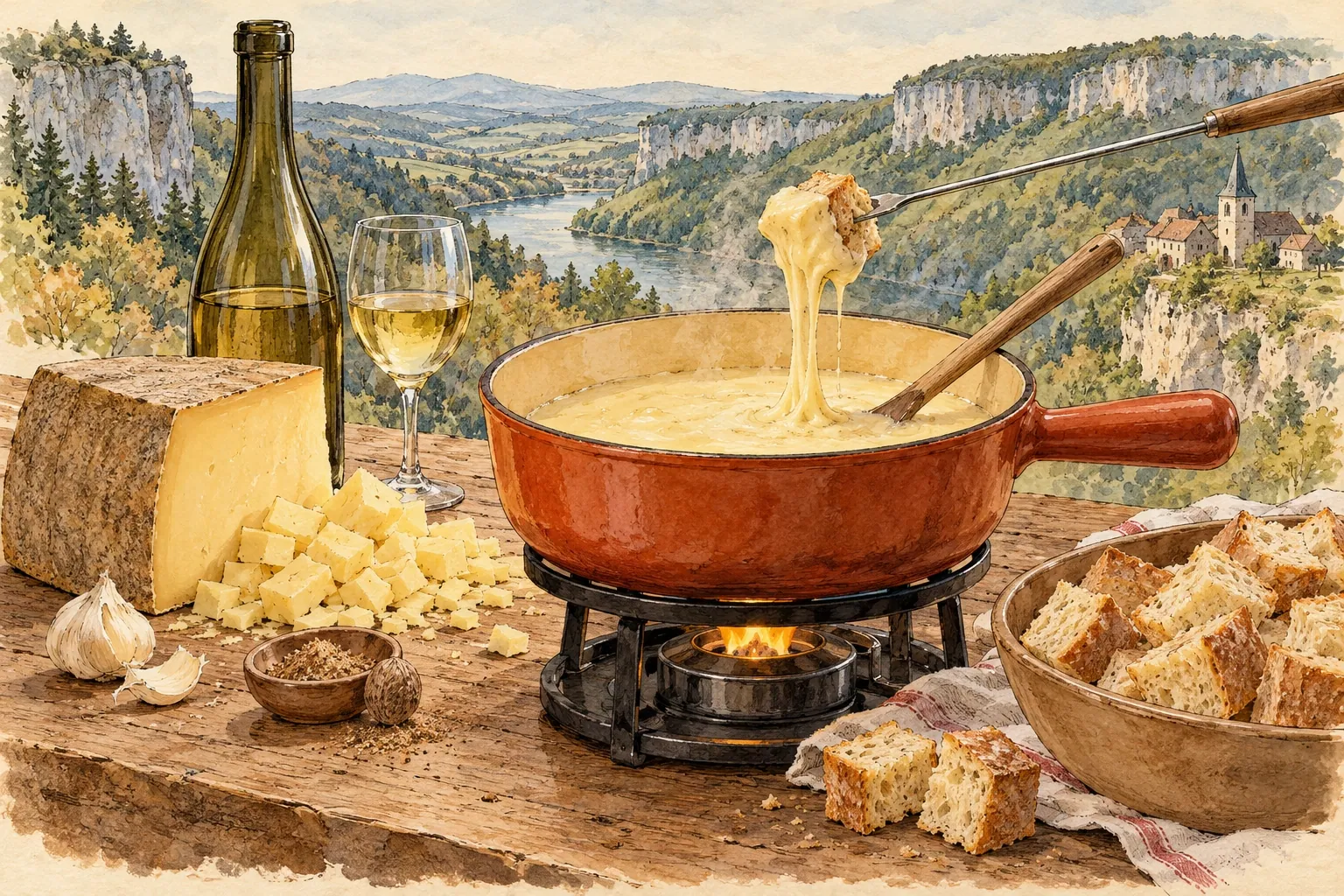 RecipeFondue au ComtéJura massif, Franche-Comté, France
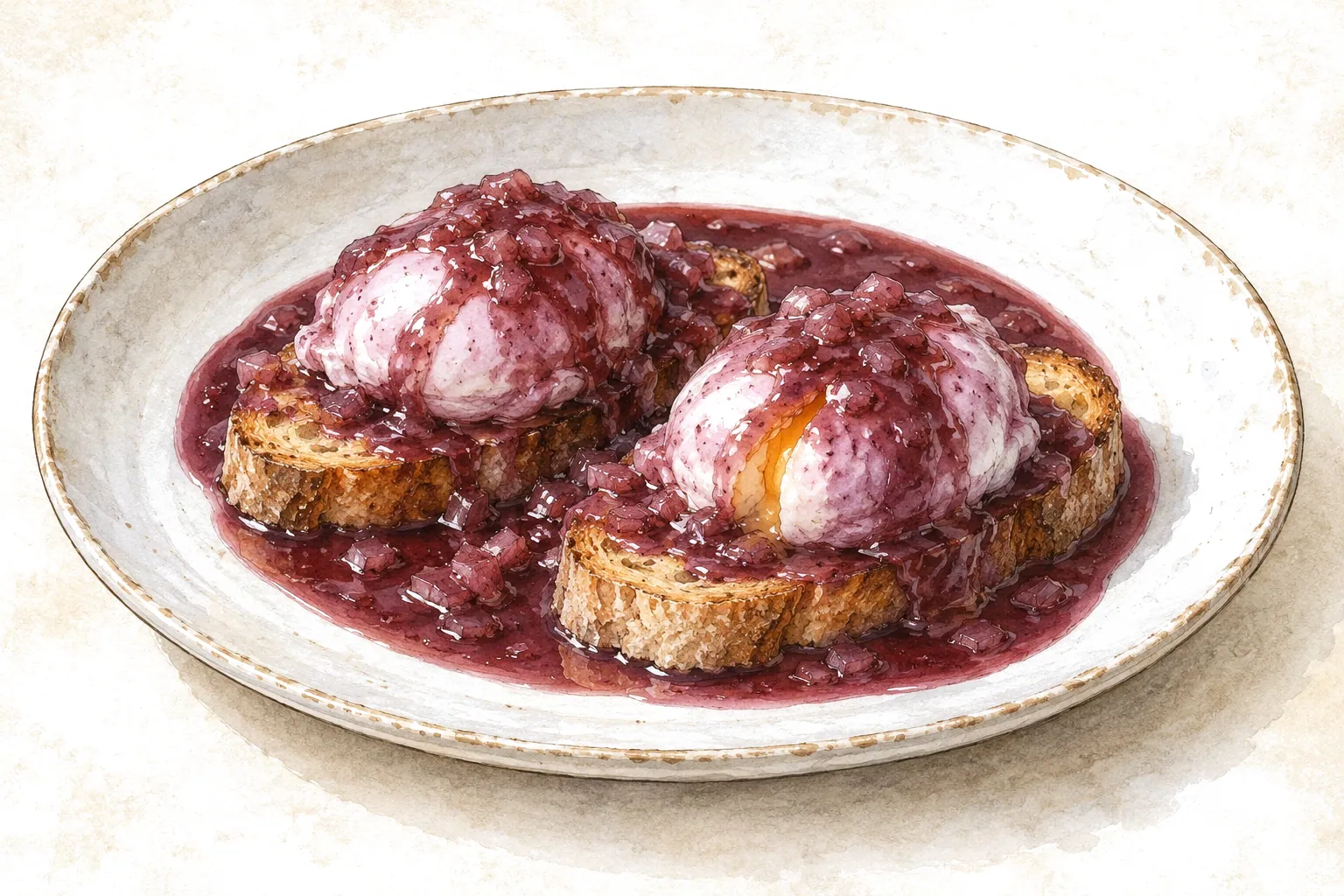 RecipeŒufs en meuretteBurgundy, France
 StoryThe Cistercians and the Clos de VougeotVougeot, France