
Potatoes · Ingredient journey · Reference page
From the Andes to Europe
Domesticated by Andean farmers thousands of years ago, the potato crossed the Atlantic in the sixteenth century, was met with suspicion, and ended up changing how Europe ate, farmed and suffered.
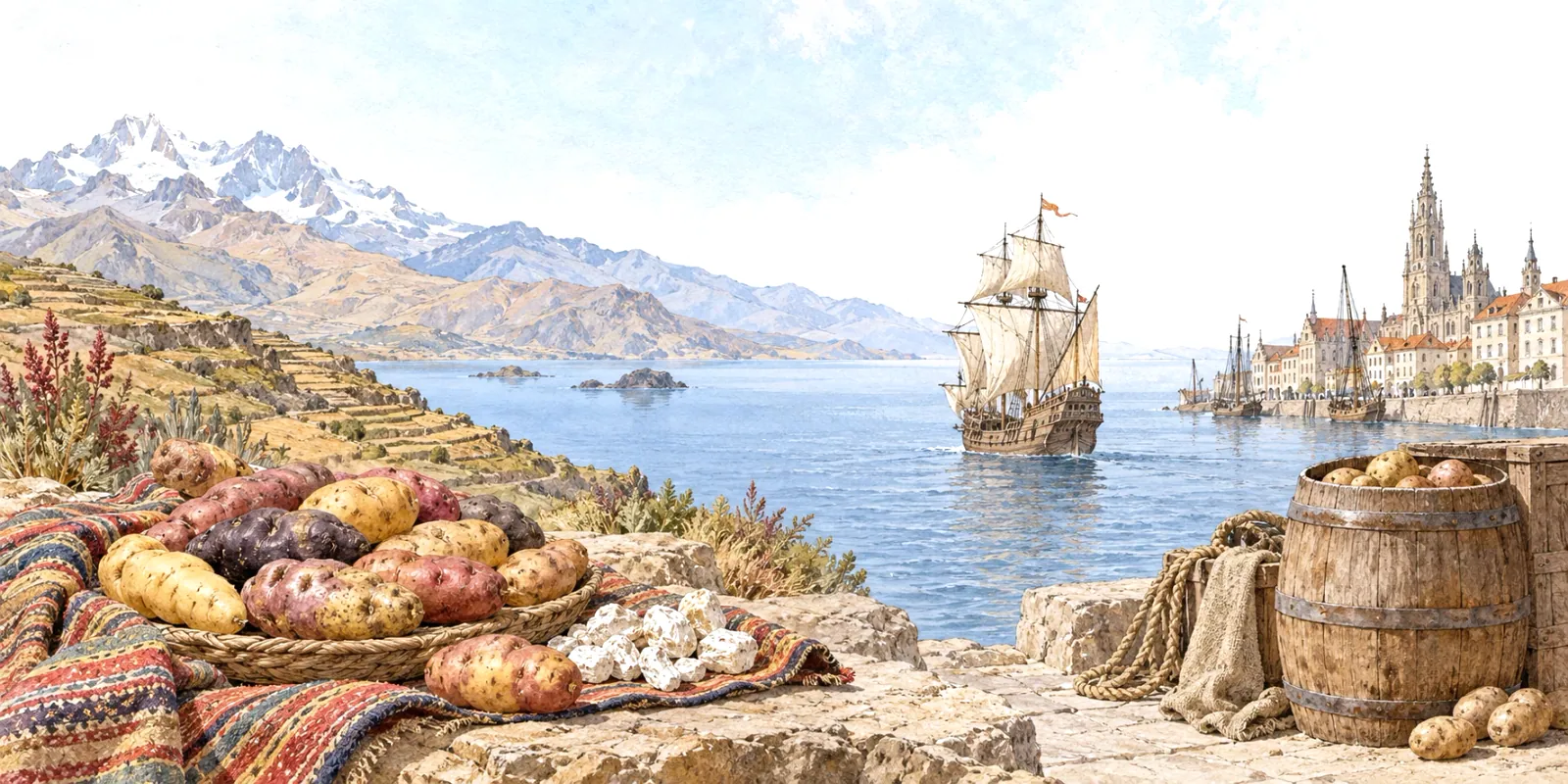
A crop of the high Andes
Genetic work (Spooner et al. 2005) points to a single domestication of the cultivated potato from wild species in the broad area of southern Peru; the International Potato Center places it near Lake Titicaca, about 8,000 years ago. Andean farmers developed thousands of landraces — more than 4,000 native varieties still grow in the highlands of Peru, Bolivia and Ecuador — and techniques such as freeze-drying tubers into chuño. Many farmers still grow mixtures of varieties in a single field, a traditional hedge against frost.
Across the Atlantic
The first secure European records come from the 1560s and 1570s. Barrels of potatoes were shipped from Gran Canaria to Antwerp in November 1567, and Seville archive records list potatoes in 1573. From Spain and the Low Countries the plant spread as a botanical curiosity, a garden vegetable and, slowly, a field crop.
Adoption was uneven. In some places potatoes were distrusted as food for animals or the poor; elsewhere governments promoted them. In France, the pharmacist and agronomist Antoine-Augustin Parmentier — who had eaten potatoes as a prisoner of war in Germany during the Seven Years' War — campaigned for them from the early 1770s into the 1780s.
Dependence and famine
Potatoes yield a great deal of food per hectare, and in the eighteenth and nineteenth centuries they helped feed growing populations across northern Europe. When late blight (Phytophthora infestans) arrived in the 1840s, harvests failed in many parts of Europe. In Ireland, where much of the rural poor lived almost entirely on potatoes, the Great Famine of 1845–1851/52 killed about a million people and drove more than a million to emigrate — a catastrophe made worse by political and economic decisions, not by the potato alone.
How it connects
Place
- origin Lake Titicaca basin In preparation
- related Canary Islands In preparation
- related Ireland In preparation
Potato
- related Andean native potatoes
- related Bintje
Continue exploring
- CountryPeru6 entries in the atlas so far
- StoryRoots and tubers: cassava, sweet potato, yam, taro and the Andean cropsPapua New Guinea
- StoryVegetables: from wild cabbage to the Brussels chiconGreece
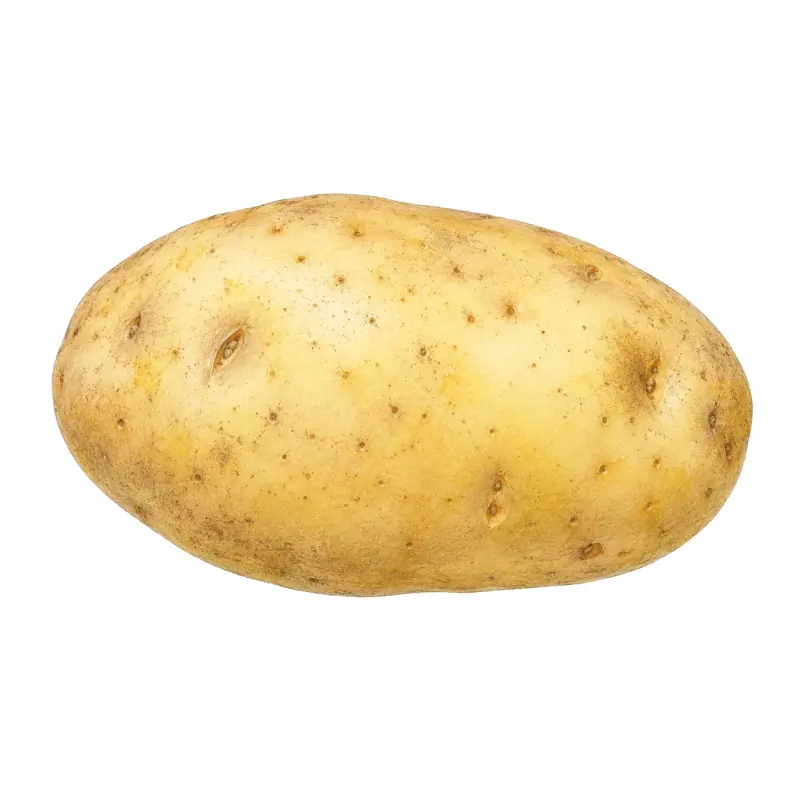 PotatoBintjeFriesland, Netherlands
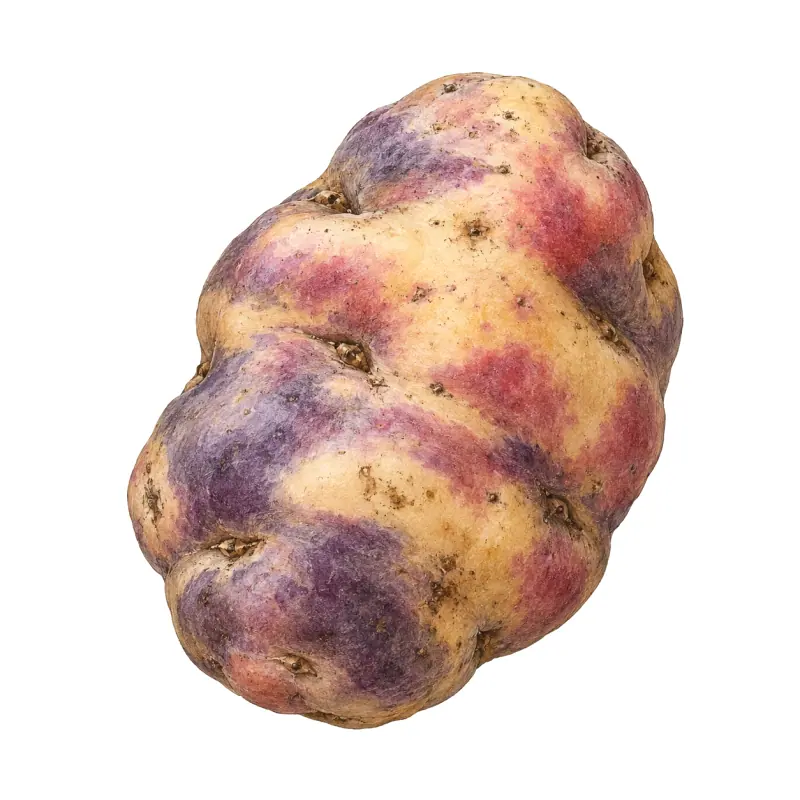 PotatoAndean native potatoes
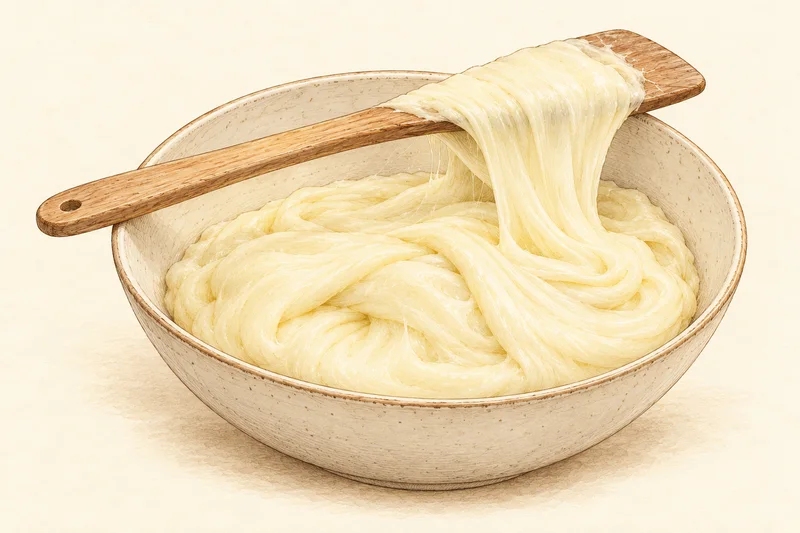 RecipeAligotAubrac, Laguiole, France
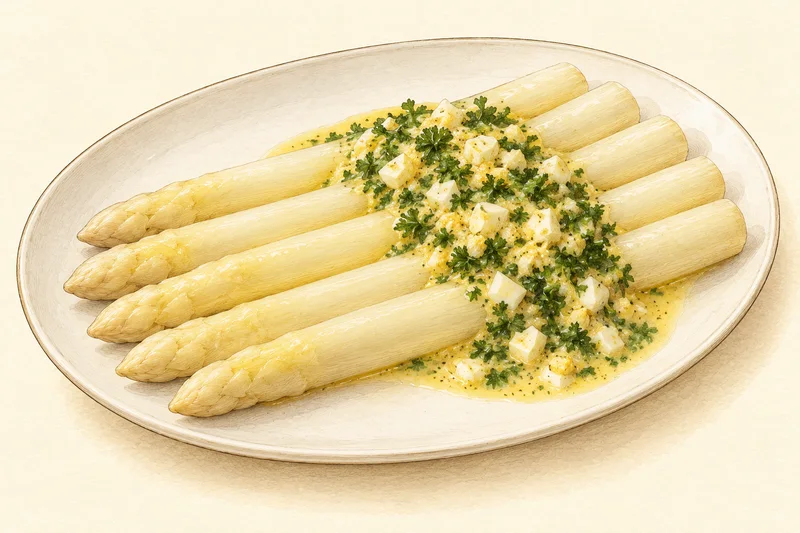 RecipeAsparagus Flemish styleBelgium
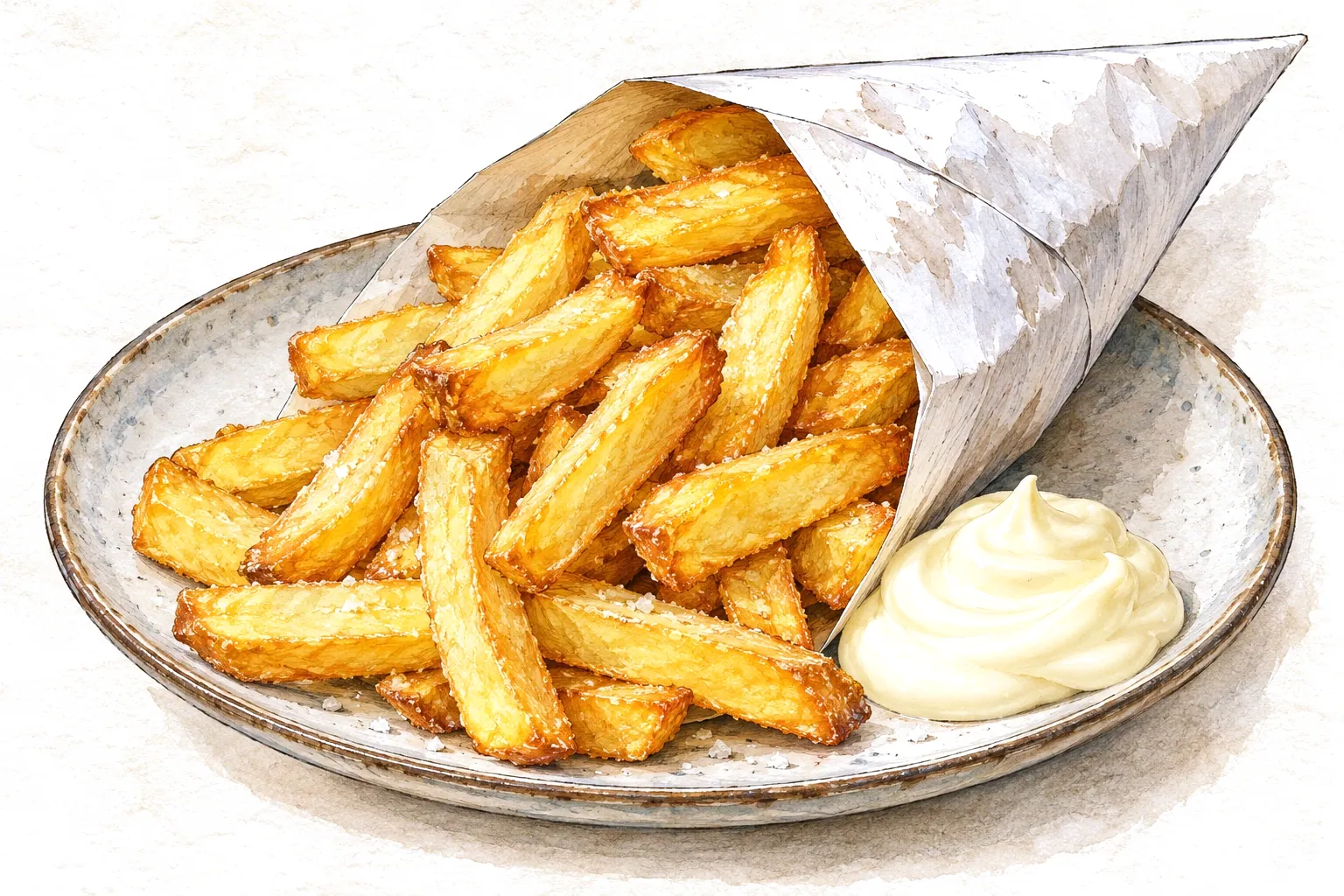 RecipeBelgian fritesBelgium
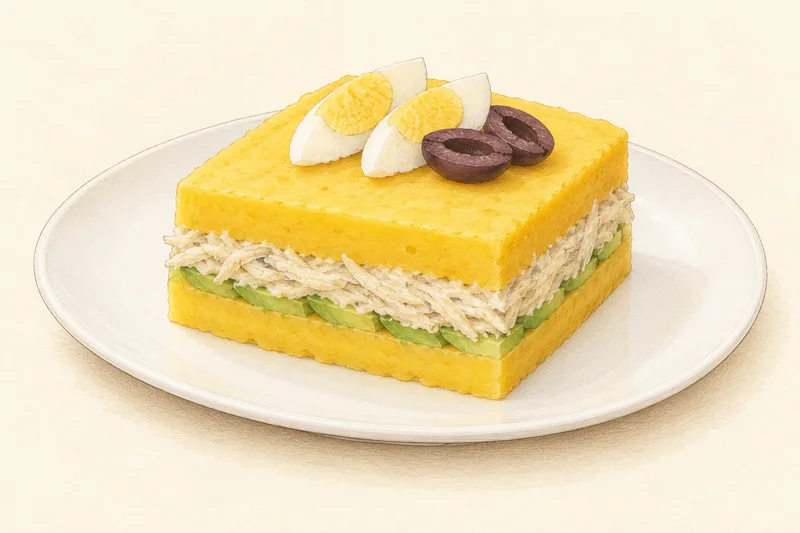 RecipeCausa limeñaLima, Peru
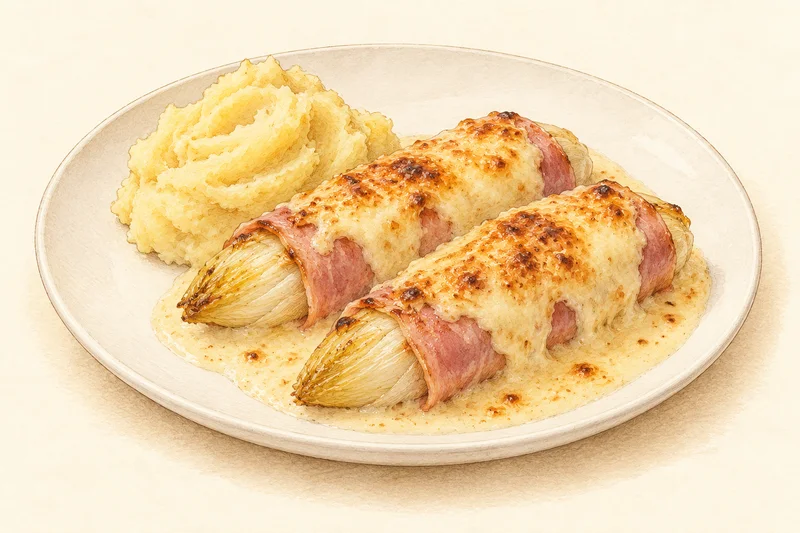 RecipeChicory with ham and cheese sauceBelgium